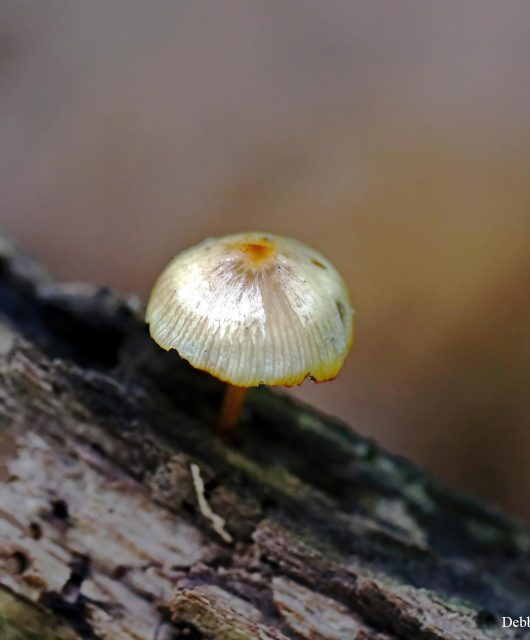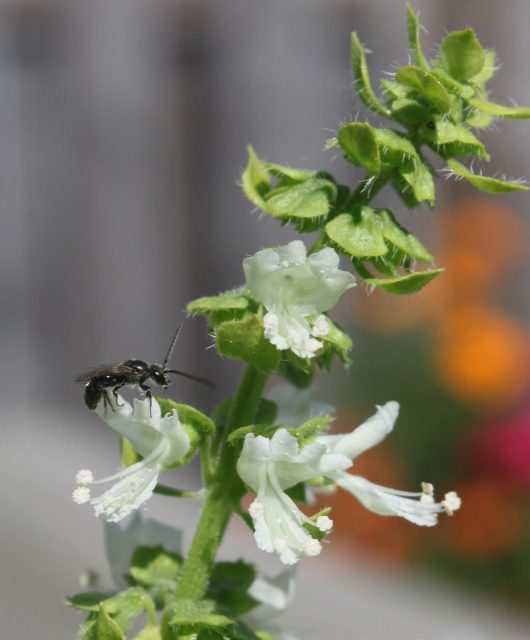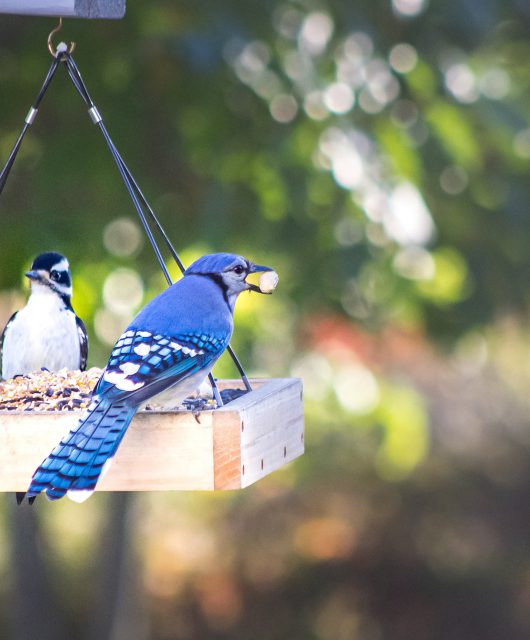
In today’s age of technology, community science has never been more accessible.
With a standard smartphone, you’ve got access to a digital camera and a GPS — add an internet connection and a can-do attitude and you’ve got all the tools you need to contribute to community science!
Why You Should Participate in Community Science
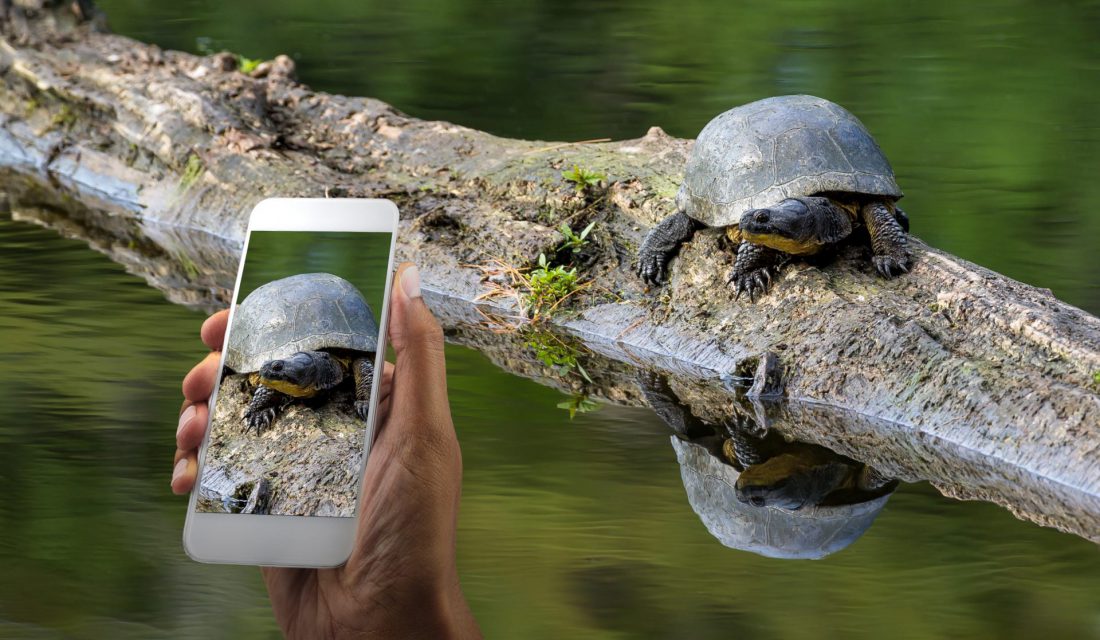 But why is it important to be part of community science? One of the biggest issues in conservation is that scientists can’t be everywhere at once. We simply don’t have the resources to confirm exactly which sites are being used by species at risk throughout their range. This is a major problem when you consider that legal protection of habitat is only granted to places where a species at risk has been confirmed to occur.
It’s more vital than ever that species at risk are documented in Ontario. Recently, the Ontario Government replaced the Endangered Species Act, 2007 with the Species Conservation Act, 2025. It is significantly more conservative with the legal protections it grants for documented species at risk.
Take the Blanding’s Turtle for example. Under the previous act, an observation of a single individual triggered protection for wetlands up to two kilometres away from where the individual was found. Under the new act, the current draft guidelines (at the time of writing this article) propose only the protection of the nearest wetland, and in many instances not even the entire wetland.
We are going from a system where a single observation could easily protect four or five wetlands, to one where at least one observation is required in each of these wetlands to protect the same area. This is not based on new information or a better understanding of how Blanding’s Turtles use their habitat. If anything, these new guidelines (Species Conservation Act, 2025) do not take into account the well-established fact that this species typically uses multiple wetlands at different times of the year and frequently travels overland to reach them, regardless of what we humans deem “convenient”.
How You Can Help the Blanding’s Turtle
It is more important than ever to document all instances of species at risk. Even deceased individuals that didn’t make it across the road are important observations. If you do snap pics on the road, be mindful of traffic and make sure that it is safe to leave your car before photographing.
One of the easiest ways to submit these observations is through iNaturalist.ca. This app collects the photo, location, date and any notes you wish to submit together into a single record. Some projects, such as the Canadian Amphibians & Reptiles on Roads project, will even provide recommended data to submit so that scientists can make the most of your observation!
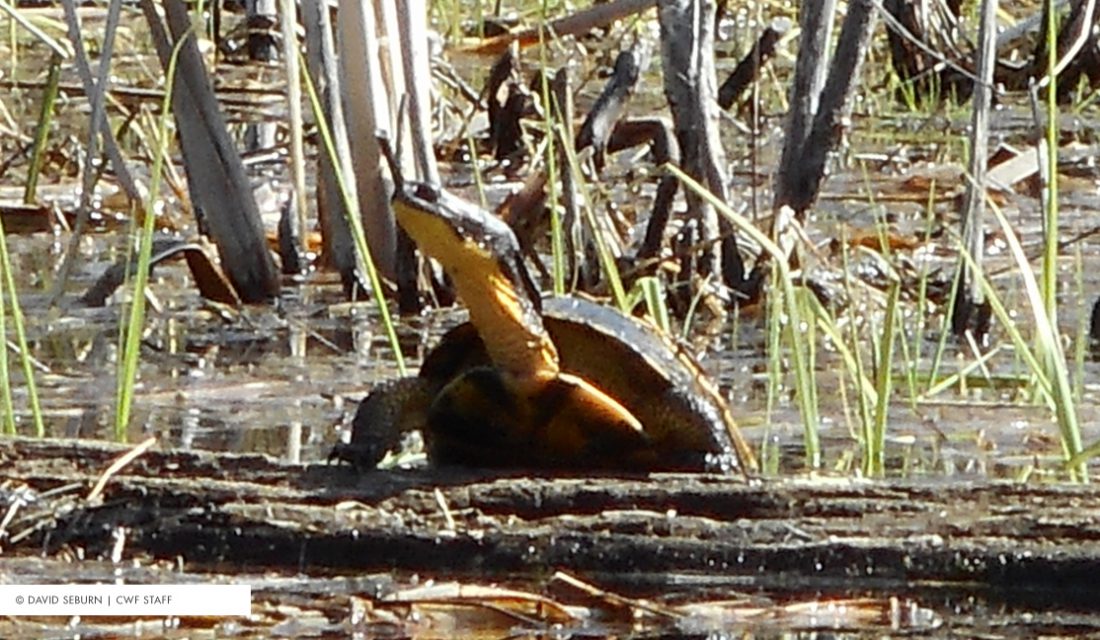
Not certain what you’re photographing? The app and community will help you. Try to take multiple clear photos from different angles to try to capture any key features of your subject – most turtle species in Ontario have very distinctive heads. The Blanding’s Turtle in particular can be identified from relatively far away thanks to its bright yellow throat.
We’ve mentioned the Blanding’s Turtle in this article because it has been a focus of our efforts here at the Canadian Wildlife Federation. As a globally endangered species, it is in the same category as the Blue Whale and Asian Elephant. However, it is relatively common in eastern Ontario, meaning that many of you can help it regain much of the previously protected habitat by reporting sightings.
So, the next time you head outdoors, take a close look at what’s in and around your local wetland. Your observation may help protect the home of a species at risk.
Learn more about our work with Freshwater Turtles.

Mackenzie Burns
Mackenzie Burns graduated from the Marine and Freshwater Biology Program at the University of Guelph. She began working with CWF's turtle team in 2018.