
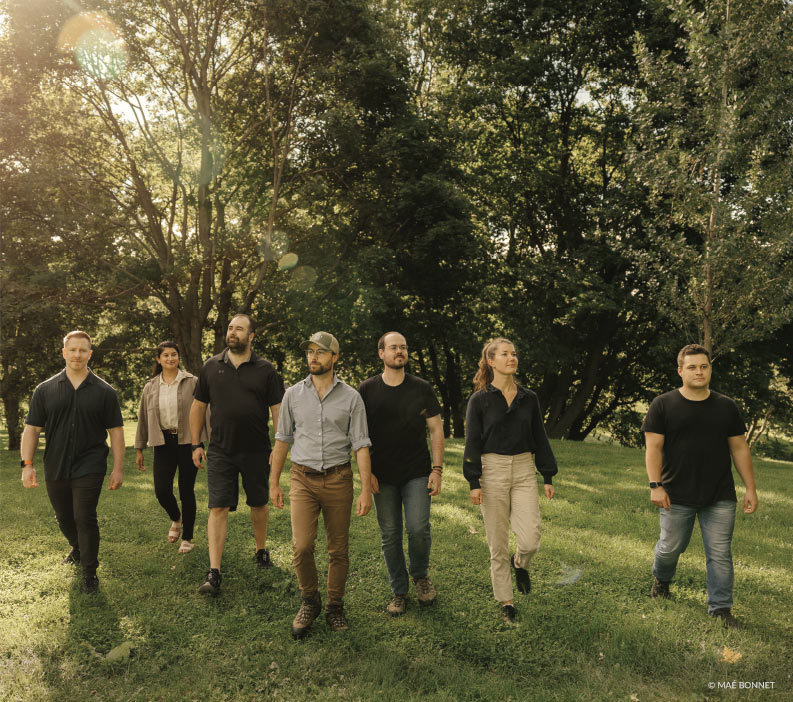
CWF True North Wildlife Conservation Awards: Celebrating the Canadians Making a Difference for Wildlife
From protecting endangered pollinators to inspiring the next generation of conservationists, the inaugural CWF True North Wildlife Conservation Awards celebrate six recipients whose work is helping shape a brighter future…
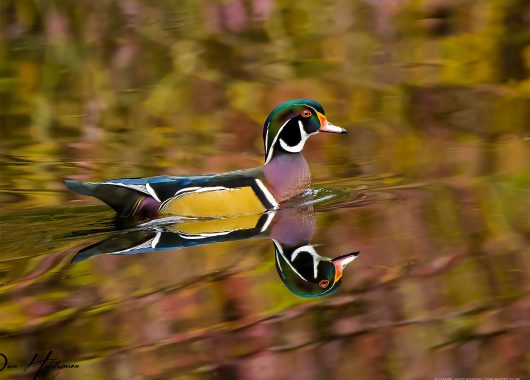
Outstanding Progress for Wildlife in Canada — Thanks to You
Thanks to your engagement and support, the Canadian Wildlife Federation has been hard at work doing a myriad of activities from releasing turtles, to restoring important habitat to educating Canadians…

Coast to Coast WhaleSafe Research Done On Porpoise
From a young age, I’ve had an obsession with marine life, constantly watching any nature documentary I could find. To this day, I am obsessed with anything dolphin and whale…
This Halloween, Don’t Get Scared — Get Spider Savvy
It’s easy to get scared of things you don’t understand. Take spiders for example. But before you’re tempted to squash that eight-legged creepy crawly you see meandering across the floor,…
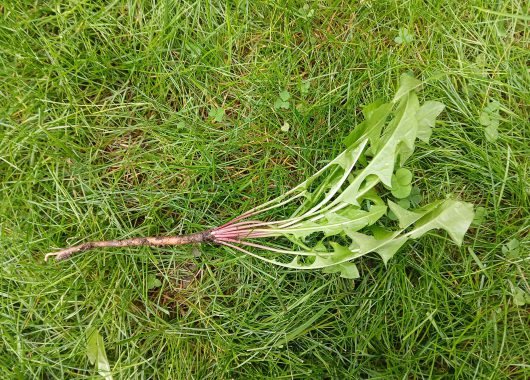
Autumn Harvest: Native Plant Style
Each season has elements of beauty to enjoy. Fall in Canada usually means hues of red, orange and yellow leaves that light up our communities and the natural areas surrounding…
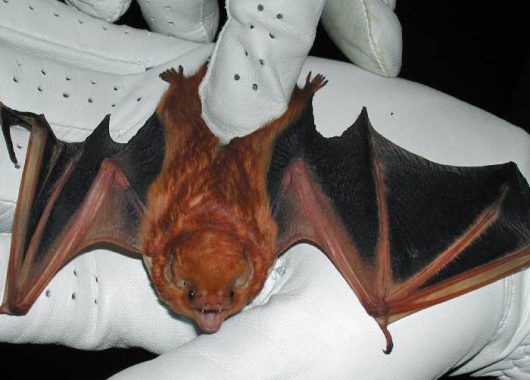
Eastern Red Bats: Masters of Disguise
Phantoms, witches, werewolves… and the Eastern Red Bat – oh my! You may be wondering what these Halloween regulars have in common? Well, they are all masters of disguise! Although…
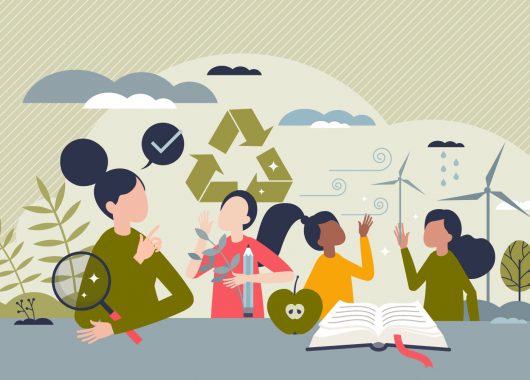
Environmental Action: Understanding Our Impact
Before students can take meaningful action for wildlife, they need to understand the environment they’re trying to conserve. This month, we’re focusing on environmental actions: actions that help students explore…
The Profound Impact of First Nations, Inuit and Métis
Hi! I’m Annie, your friendly biologist and Hinterland Who’s Who Coordinator. In honour of this National Day for Truth and Reconciliation, I would like to highlight the profound impact of…
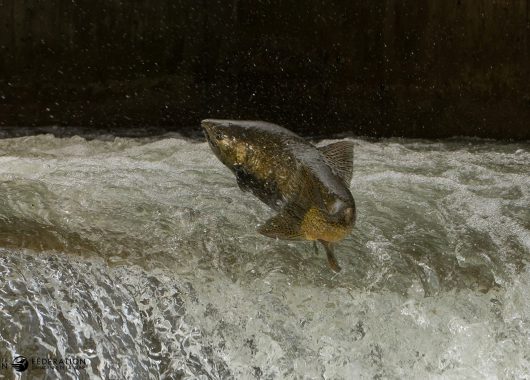
CWF Welcomes Government Move to Protect Fish Habitats
The Canadian Wildlife Federation (CWF) welcomes the inclusion of third-party habitat banking and in-lieu fee provisions in Bill C-39, tabled by the federal government on Sept. 21. The proposed legislative…
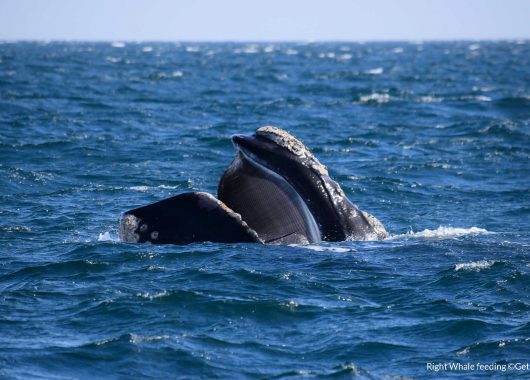
CWF’s Marine Work Forwards International Research
This summer, I had the opportunity to conduct research with the Canadian Wildlife Federation’s marine conservation science team for my Master’s project. The focus of my research was on North…
