
Search Results for
W
Which Waxwing’s Which?
[PHOTO: JESSE BUTT, CWF PHOTO CONTEST] I have seen groups of waxwings from time to time. They swoop in, do their thing and then they’re gone. Once it was a…
Celebration in Lawrencetown, N.S.
[PHOTO: CWF] I went to a party last weekend in Lawrencetown, a small rural village in the Annapolis Valley of Nova Scotia. It has a population of just over 650.…
The Ottawa River
The Ottawa River Photo Credit The Ottawa River is the next river I’ve chosen to highlight. The Ottawa River begins deep in the wilds of Quebec and heads west to…
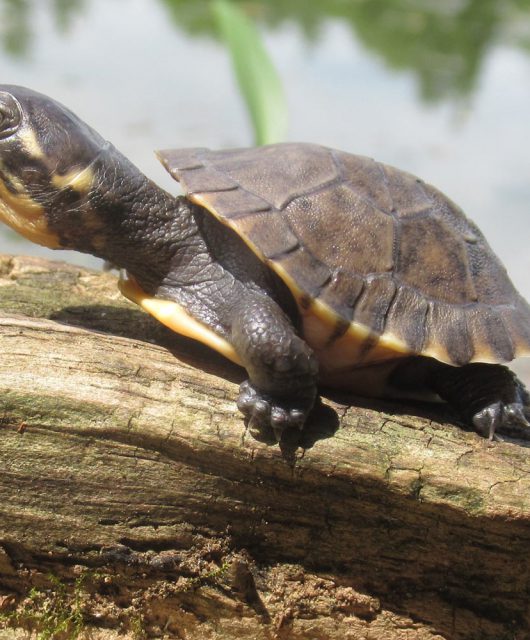
Ontario’s Endangered Species Under Attack
To protect endangered species we also need to protect the habitat they rely upon. That’s a pretty basic idea. To protect a forest bird, we need to protect the forest…

Snapshot of the Blanding’s Turtle’s Current Situation
In today’s age of technology, community science has never been more accessible. With a standard smartphone, you’ve got access to a digital camera and a GPS — add an internet…
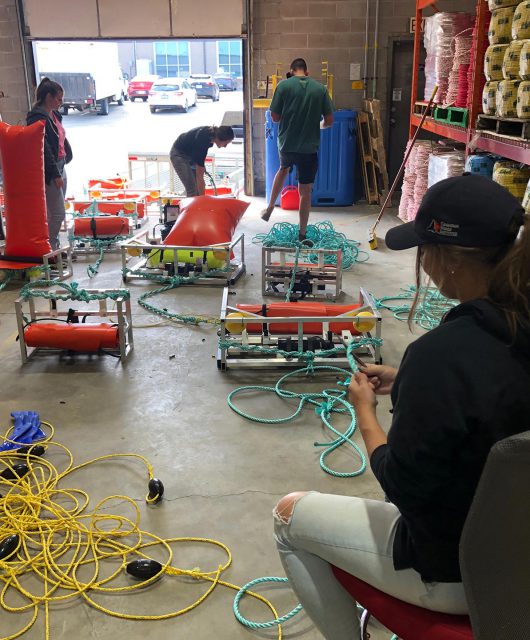
On-demand Gear in the Maritimes
The Canadian Wildlife Federation’s Marine Conservation Science team works to mitigate entanglement risk to large whales. In Atlantic Canada, there is a particular focus on North Atlantic Right Whales —…
Nature-based Education in Summer: Reflection and Celebration
🌿 Looking Back: A Year of Wild Learning This school year, WILD Education newsletters supported learning across the seasons: Fall: Trees and Seeds, Nocturnal Wildlife and Migration Winter: Adaptation and…
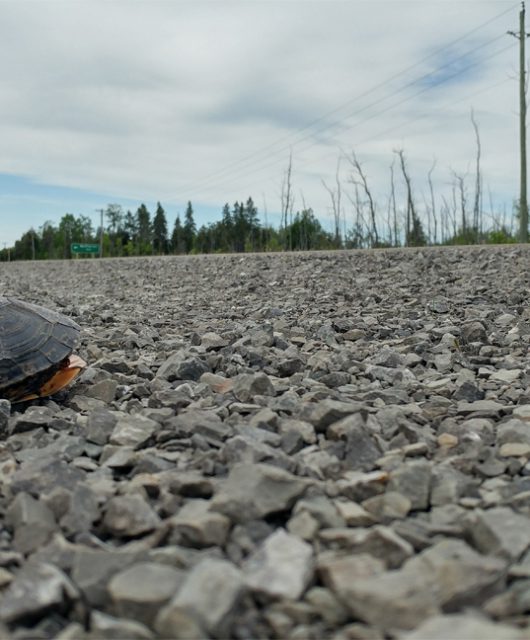
20,000 Amphibians and Reptiles on Roads!
What can we learn from 20,000 observations of amphibians and reptiles on roads in Canada? Plenty! The first thing is that many amphibians and reptiles cross roads and perish on…
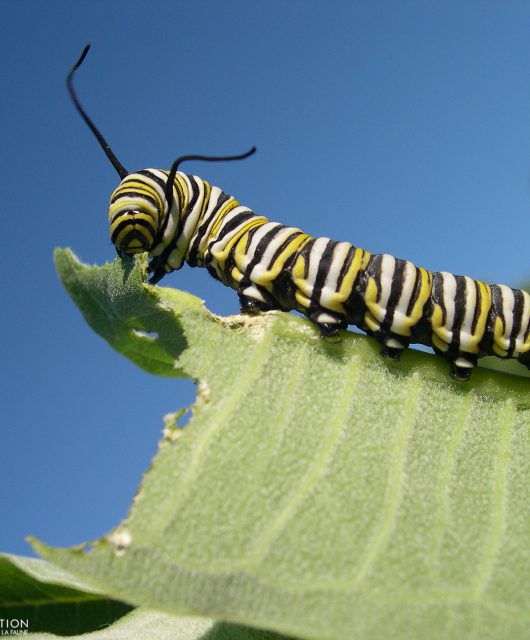
Transformers: Caterpillars in Disguise
As the seasons transition from spring to summer, we will start to see young caterpillars emerge from eggs in late May. It’s important to note that not all overwinter as…
Nature-based Education in Spring: Pollinators and Plants
🌸 The Power of Pollination Pollinators make it possible for many plants to reproduce by transferring pollen from one flower to another. In doing so, they support food webs, wildlife…
