
🌸 The Power of Pollination
Pollinators make it possible for many plants to reproduce by transferring pollen from one flower to another. In doing so, they support food webs, wildlife habitat, and the production of fruits and seeds that both people and animals rely on. Insects such as bees, butterflies, moths, beetles, and flies play especially important roles, along with birds and other pollinating animals.
Yet pollinators are increasingly at risk. Habitat loss, shrinking green spaces, pesticide use, and reduced plant diversity all threaten pollinator populations. Helping students understand these challenges builds awareness — and creates opportunities to take meaningful action.
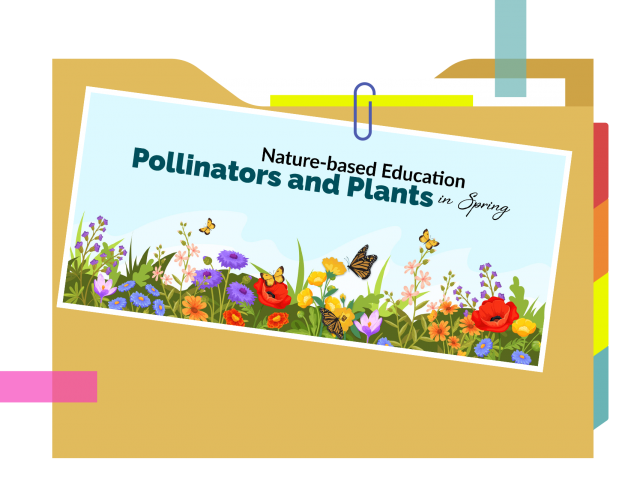
Teaching Resources
- Pollination Lesson Plan — A clear, student‑friendly overview of how pollination works and why pollinators are essential to plant reproduction
- Pollinator Problems — A resource that lists and describes the main challenges pollinators face today, including habitat loss, reduced plant diversity, and human impacts.
- Wild About Pollinators poster — A colourful visual reference to help students identify common pollinators and their roles within ecosystems
- Pollinator Puzzles — A resource where students can decipher clues to match flower cards with pollinator agents.
- Plant a Pollinator Garden — A guide to a hands-on project that empowers students to create habitat by planting pollinator‑friendly native plants
- The Extraordinary Caterpillar — A really cool movie that highlights insect life cycles and the importance of host plants, helping students understand how plants support pollinators at every stage of life.
- Monarch Butterfly – Hinterland Who’s Who – A fact sheet and videos where students can learn more about Monarch Butterflies with the iconic Hinterland Who’s Who program
WILD Education Workshops
Wish you had a Project WILD activity guide or want to tell a friend to sign up for a WILD Education workshop? Check out our upcoming workshops:
- Mississauga in-person workshop: June 27th. LEARN MORE
- Not in Mississauga area? Sign up for the waitlist and we’ll work towards offering a workshop near you.
Now let’s review some relevant activities in the Project WILD activity guide.
- Busy Bees, Busy Blooms (p. 194) — Students model the process of insect pollination in an active simulation.
- Shrinking Habitat (p. 527) — This lesson helps students understand how development and land use reduce available habitat and affect food chains and biodiversity.
- Food Footprint (p. 590) — This activity traces food back to its original source: plants and pollinators.
- Habitat Heroes (p. 595) and Improving Wildlife Habitat in the Community (p.598) — These two activities engage students in creating plans to improve wildlife habitat.
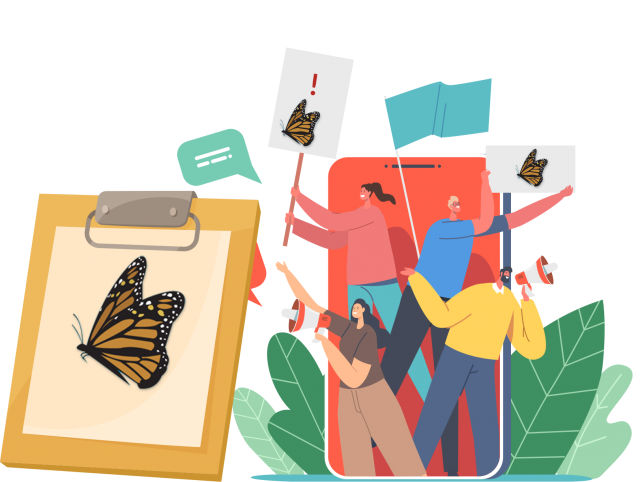
Student Action Projects
“Nature reduces stress and anxiety, enhances physical health, and even inspires awe. […] Researchers found that nature connections drive better learning, support well-being, and inspire care for the planet. [The study] concluded, ‘It is time to bring nature into formal education — to expand existing isolated efforts into increasingly mainstream practices.’ Nowhere is the gap between what we know and what we do more offensive than in schools. Where 1.5 billion children and 81 million teachers spend their days indoors and disconnected from nature.” – Becca Katz
Here are some ways that you and your students can act to support nature.
Stewardship Actions:
- Plant milkweed or larval host plants for butterflies — Support monarch butterflies and other species at risk by planting native milkweed aligns with national recovery efforts.
Lifestyle Action:
- Avoid pesticides and choose natural garden care — Learn alternatives to synthetic pesticides.
Social Actions:
- Launch a student-led “Native Plant Swap” — Use local resources such as the horticultural society, share extra seedlings or native seeds with classmates and families.
- Create a school pollinator newsletter or social media campaign — Share photos, ID tips, “pollinator of the week,” or seasonal stewardship reminders. Don’t forget about iNaturalist.
Citizenship Actions
- Participate in citizen science programs — Collect and submit real data about pollinators or native plants using national platforms:
Pollinators remind us that nature thrives through connection. By exploring plants and pollinators this spring, students develop curiosity, empathy, and stewardship for the living world around them.
For more educational resources, sign up for our WILD Spaces newsletter, which provides content and resources to help you and your students plant a pollinator garden in your schoolyard.
Do you have a teacher you want to reward? Nominate them for The Susan Langley Earth Steward Teaching Award – LSF-LST
Meagan Potter
Meagan is the program administrator for formal education at the Canadian Wildlife Federation. She has worked with WILD Spaces, WILD Generations, WILD Education, and the Gardening for Wildlife programs. When she's not at CWF, you'll find her working part-time at an emergency veterinary clinic or offering dog training lessons through her small business.

1 comment
Thank you.
May the many sports teams named after pollinators, or butterflies, to proudly give back to their namesakes and brands, by funding for gardens, water sources, pesticide management, monitoring, education, awareness to win the game of earth.
This will help the pollinators and give good public relations and tax credits to the teams.