By April Overall
Adding a pond to your backyard can be a stunning addition. It can even add property value to your home! But did you know that it can add value to wildlife too? It’s true! From frogs to birds, turtles to insects, a pond can offer a happy home or even a spot to stop and have a drink of water. But there are some things you should and shouldn’t do when it comes to building a pond with wildlife in mind.
For the Frogs
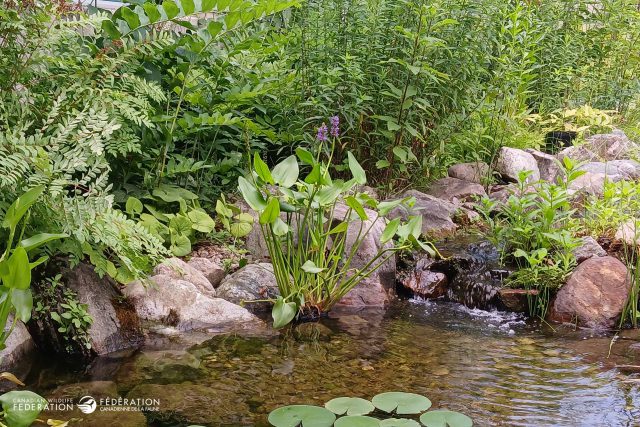
Do winterize your pond. Frogs hibernate in the winter, with some species hibernating on land under leaf litter, tree bark or in the ground. Others hibernate under water and need a depth approximately two metres in order to make it through the cold months. Young frogs (tadpoles) will use this deep water to grow into adulthood – a feat that can take over three years!
Do add an aerator. Aerators will keep the water moving and will stop your pond from freezing over in the winter.
Don’t leave your liner bare. When you’re building your pond, add soil to the top of your liner so frogs can use it to hide from predators.
Do grow native plants likes grasses and sedges around your pond as shelter for frogs as well as to encourage insects to visit. Insects are important snacks for frogs!
For the Birds
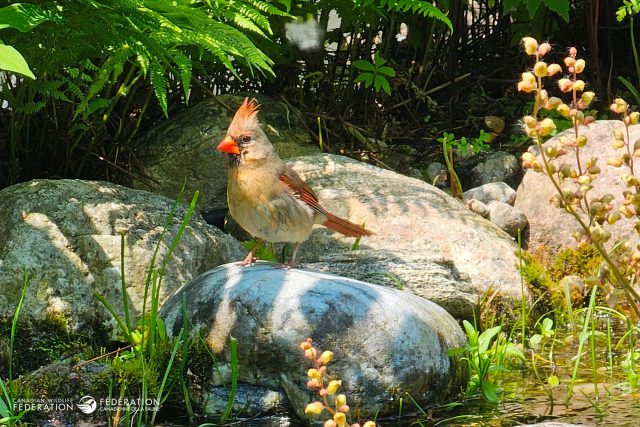
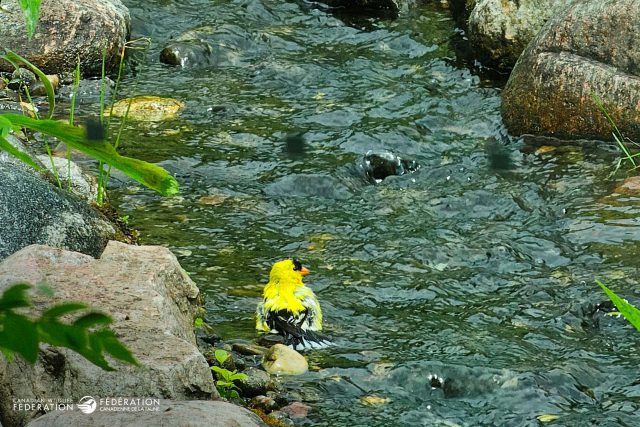
Do add levels to your pond. When you add a shallow spot, even seven centimetres in depth, you’ll offer an area for birds to drink and bathe.
Don’t mow near the pond. Have a wide strip of native vegetation surrounding your pond for birds and other wildlife to hide from predators. Even having some trees and/or shrubs nearby is very important to help birds feel safe as they approach and leave the water.
Do add a waterfall. Birds love moving water; if you add a waterfall or other form of recirculating water to your pond, they’ll come in droves. It’ll even help them find your pond easier because they’ll hear the moving water!
For the Insects
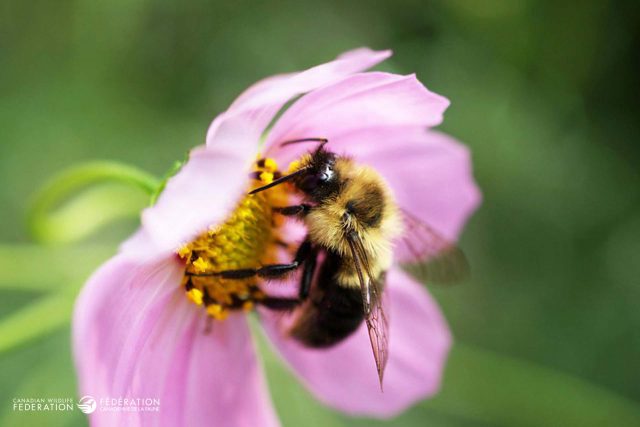
Do add blooms! It’s no surprise that pollinating insects love flowers. By adding native plants by your pond, you’ll attract more insects to it. Larger insects like damselflies and dragonflies love to snack on small pollinators, so don’t be surprised if you see them zipping from your pond to your garden! (And when in their immature aquatic form, they are voracious predators of mosquito larvae)
Do add some rocks! Adding a small pile of rocks to your pond will give flying insects like dragonflies a spot to rest. You might even notice a happy frog soaking up some sun on the rocks too!
For the Turtles
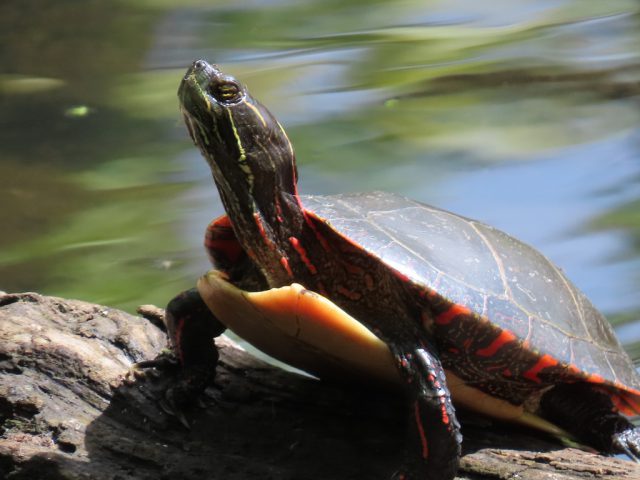
Do add a piece of driftwood. We can’t promise that you’ll see a freshwater turtle in your pond any time soon, but you’ll have a better chance of attracting turtles to your pond if you have a spot for them to bask. Plus! Adding a log to the pond can help to protect them from predators. How long should it be? About 60 centimetres is perfect.
Don’t forget plants! Turtles need to chow down too, you know. They love to eat cattails, lily pads, sedges and other aquatic plants.
For the Unexpected Visitor
Not every animal that lands in your pond wants to be there. Some fall in by accident! Keep these critters in mind when you’re building your pond.
Do add a gradual slope to all sides of your pond so animals can climb out.
Do add a log or rocks to the deep end. If your pond has a deep end (which is truthfully really great for frogs), be sure to add a log or a pile of rocks to the area so that animals that have mistakenly fallen into the pond can climb out on their own.

April Overall
April is the Editor of Canadian Wildlife and WILD magazines, the Canadian Wildlife Federation's publications. When she’s not writing for CWF, you’ll probably find her reading a book or walking in the woods with her daughter Nora.