
Every summer, the Painted Lady butterfly arrives in Canada after an impressive migration from warmer regions.
With its bright orange wings, black tips and small eye-like spots on its hindwings, this butterfly is both beautiful and easy to recognize in gardens and wild spaces. You can help this butterfly and many other pollinators thrive, starting in your own backyard!
Give Them Something to Eat
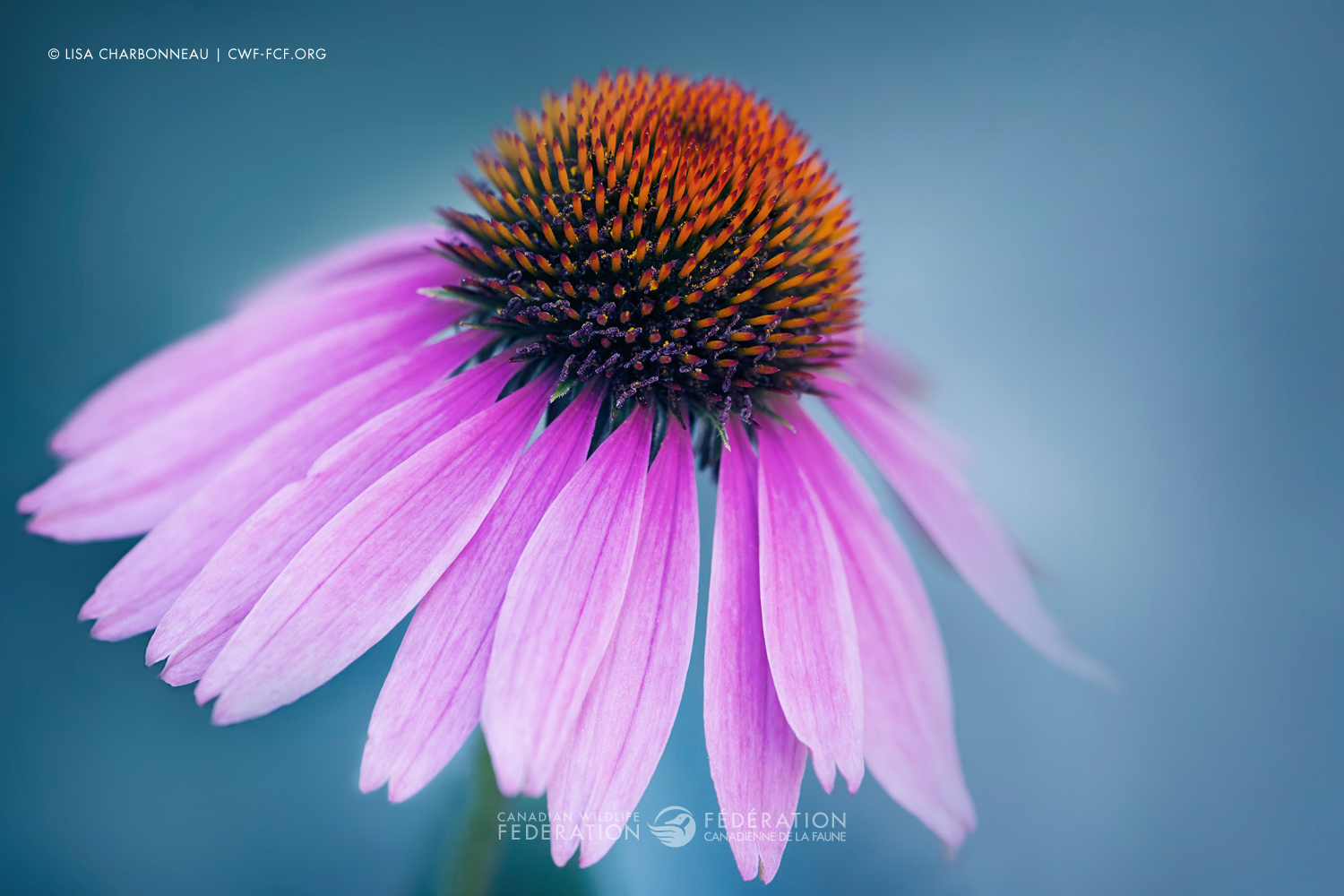
Lisa Charbonneau Location: Whitby, ON
“Portrait of a purple coneflower in my garden.”
Painted Lady butterflies are long-distance travelers – they arrive in Canada in early summer after migrating from warmer regions and spend the season feeding and breeding before heading south again when temperatures drop. Because they’re only here for part of the year, they need plenty of nectar-rich flowers while they’re visiting. Planting a mix of tall, nectar-producing blooms and host plants will help give them the energy they need during their stay.
Try these butterfly favourites
- Early summer: purple coneflower, milkweed, lupines, Wild Bergamont
- Mid-summer: blazing star, thistles (there are several native ones, but Canada thistle isn’t one of them!), Joe-pye weed, purple coneflower
- Late summer: asters (such as New England aster), blazing star, goldenrods
- Fall: native asters (such as New England aster), goldenrods, Joe-pye weed
Give Them Shelter
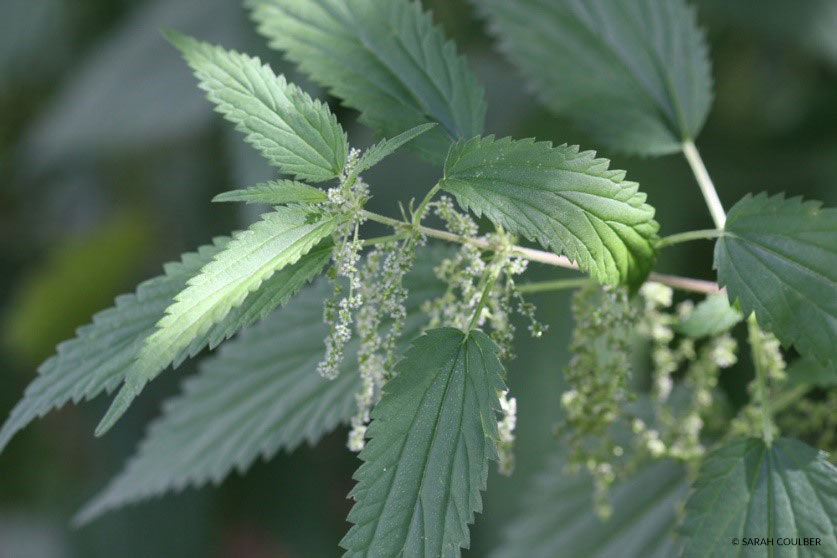 Painted Lady butterflies need more than nectar – they also need safe places to rest and plants where their caterpillars can grow. Creating a welcoming garden habitat gives them shelter from wind and predators while providing food for every stage of their life cycle.
Try these simple steps to support them:
- Host plants (for caterpillars): Native thistle, nettles and woodland Sunflower also gives painted lady caterpillars a place to feed and grow.
- Location: Plant your butterfly garden in a sunny, sheltered spot. Warm areas protected from strong wind help butterflies feed, rest and conserve energy.
Ditch the Pesticides
Pesticides are a major threat to pollinators, and Painted Lady butterflies are no exception. Whether it’s through direct contact, contaminated pollen, or polluted nesting spots, these chemicals can wreak havoc on pollinator populations including in areas like weedy field edges, brush piles, or even your flower garden. To keep pollinators safe, choose natural pest control methods and avoid buying plants that have been sprayed with pesticides like neonicotinoids (neonics).
Help Scientists by Snapping Photos of Painted Lady butterflies
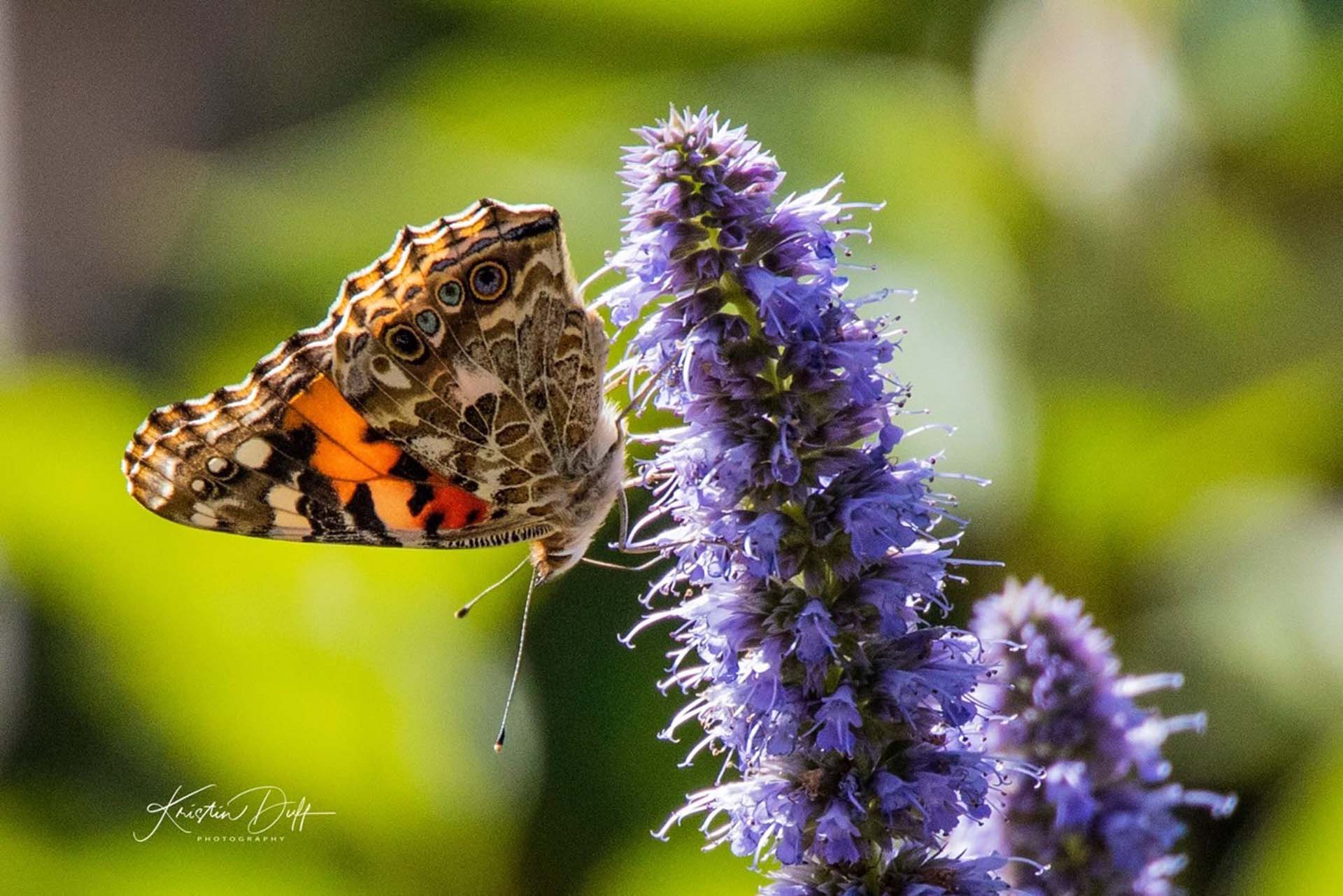
Love watching butterflies as they fly from one bloom to another? Turn your observations into valuable data for scientists! By snapping photos and uploading them to iNaturalist Canada, you can help researchers track butterfly species and better understand their preferred habitats. It’s as simple as downloading the iNaturalist app or visiting iNaturalist.ca to share your sightings.
Helpful tip: try to take lots of photos close up and from different angles. Try to snap a photo of their back and don’t forget to showcase the flowers they’re visiting!

Jerika Bradford
Jerika is the Social and Digital Media Manager at the Canadian Wildlife Federation. When she’s not planning her next big adventure, you can find her outdoors with her trusted Labrador Retriever sidekick, Brynn, or indoors piecing together her family ancestry.


1 comment
Thank you for this important and very interesting post. I have a question: does this info for Vanessa virginiensis as well as vanessa cardui (I always find it helpful to include the scientific name)? Thank you.