
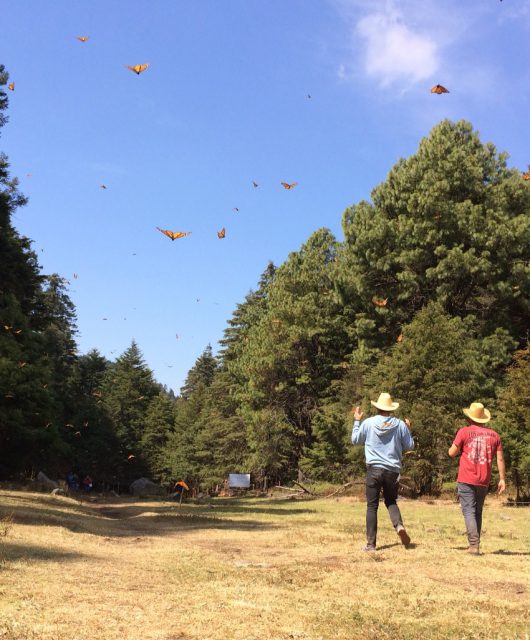
The Monarch Butterflies are back after a long winter in Mexico!
On April 26, 2026, a Monarch was sighted feeding on nectar in Toronto, ON. This year, we expect the Monarchs to return in larger numbers than we’ve seen since the 2018-2019 overwintering season.
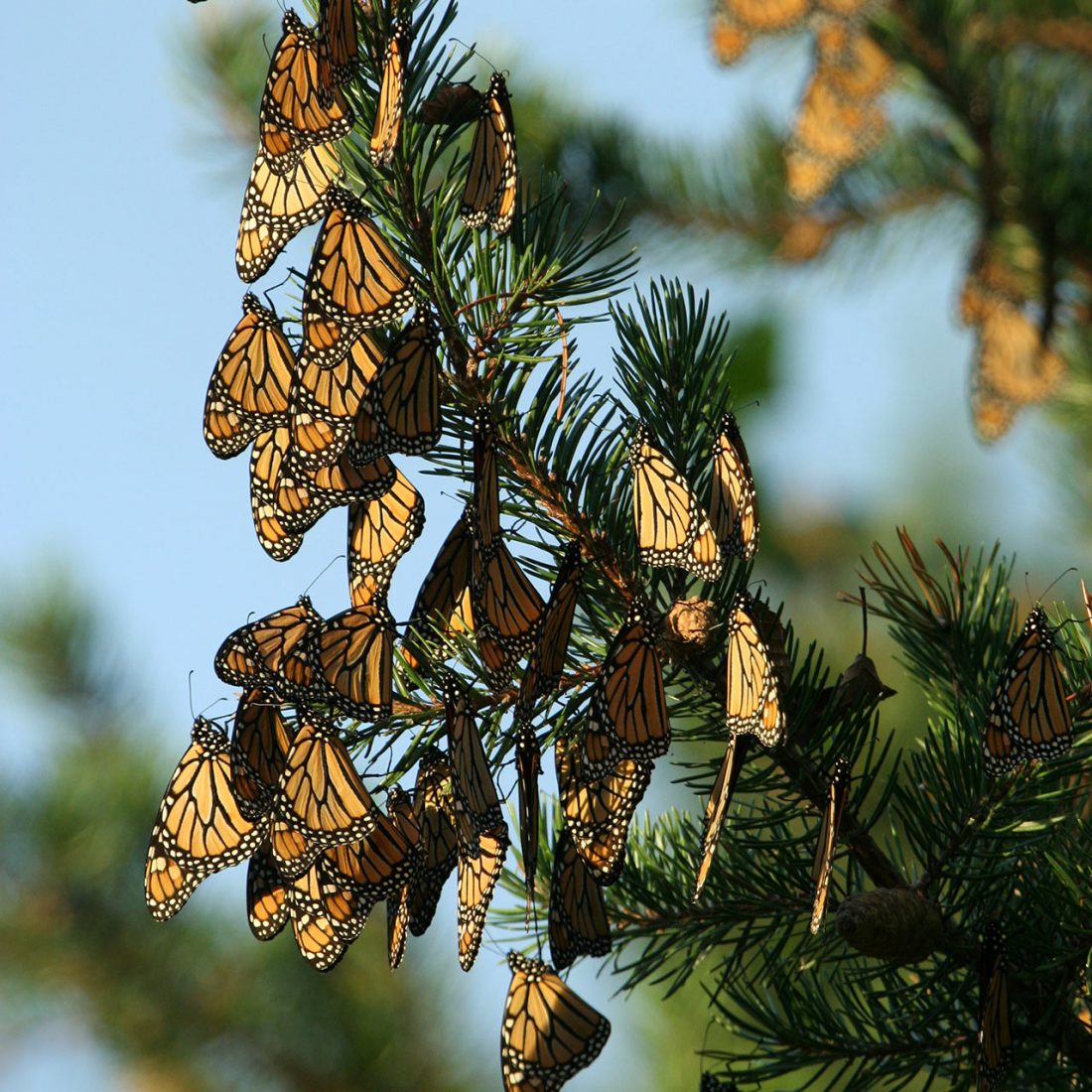
Counting individual Monarchs as they cluster together in the Oyamel Fir forests of central Mexico would be an impossible task. Millions of butterflies gather on trees, often layering branch upon branch.
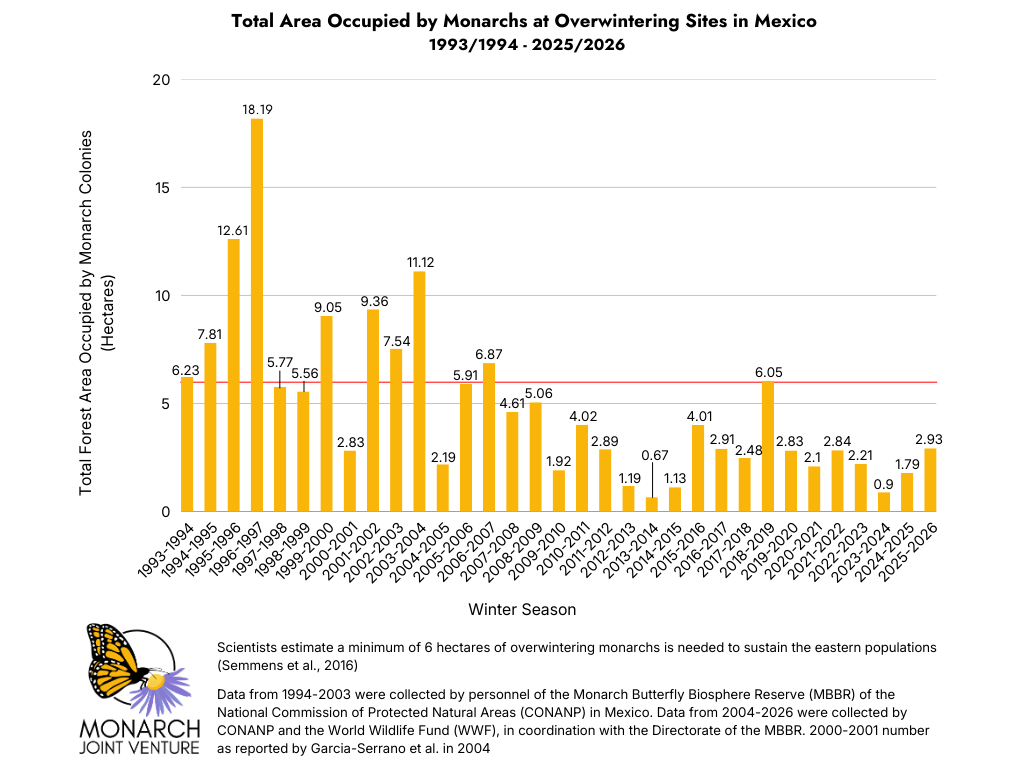
To more accurately estimate Monarch population sizes, scientists measure the total area of forest occupied by overwintering butterflies – the larger the area, the larger the population. During the 2025-2026 overwintering season, Monarchs were estimated to occupy 2.95 hectares of Oyamel Fir forest, an increase of 64 per cent from last year’s estimate of 1.79 hectares! While this increase is worth celebrating, it’s important to keep perspective. Scientists estimate that Monarchs need at least six hectares of occupied forest to sustain a stable population, a number that has only been reached two times in the last 20 years. Our work to support Monarch recovery is not done yet!
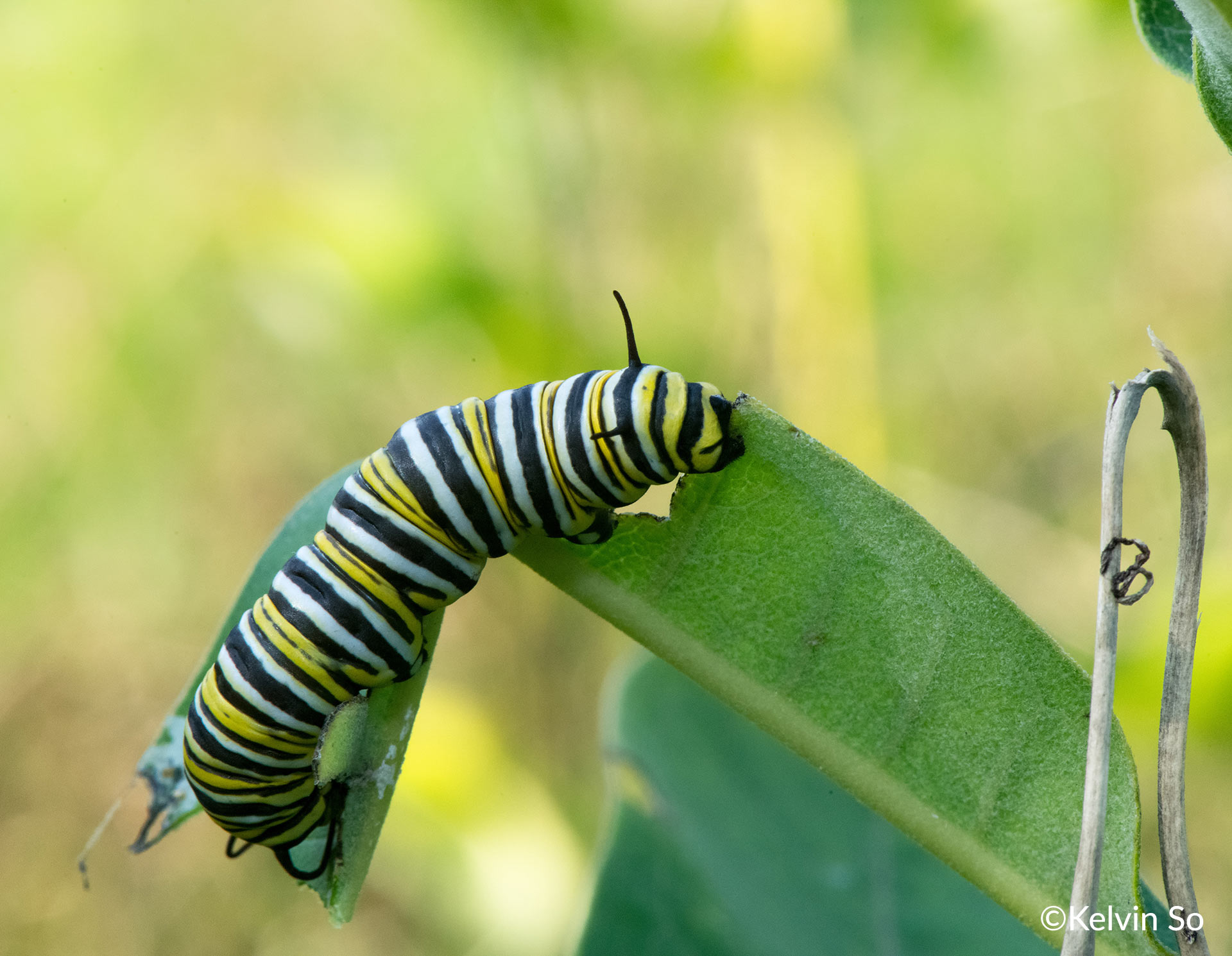
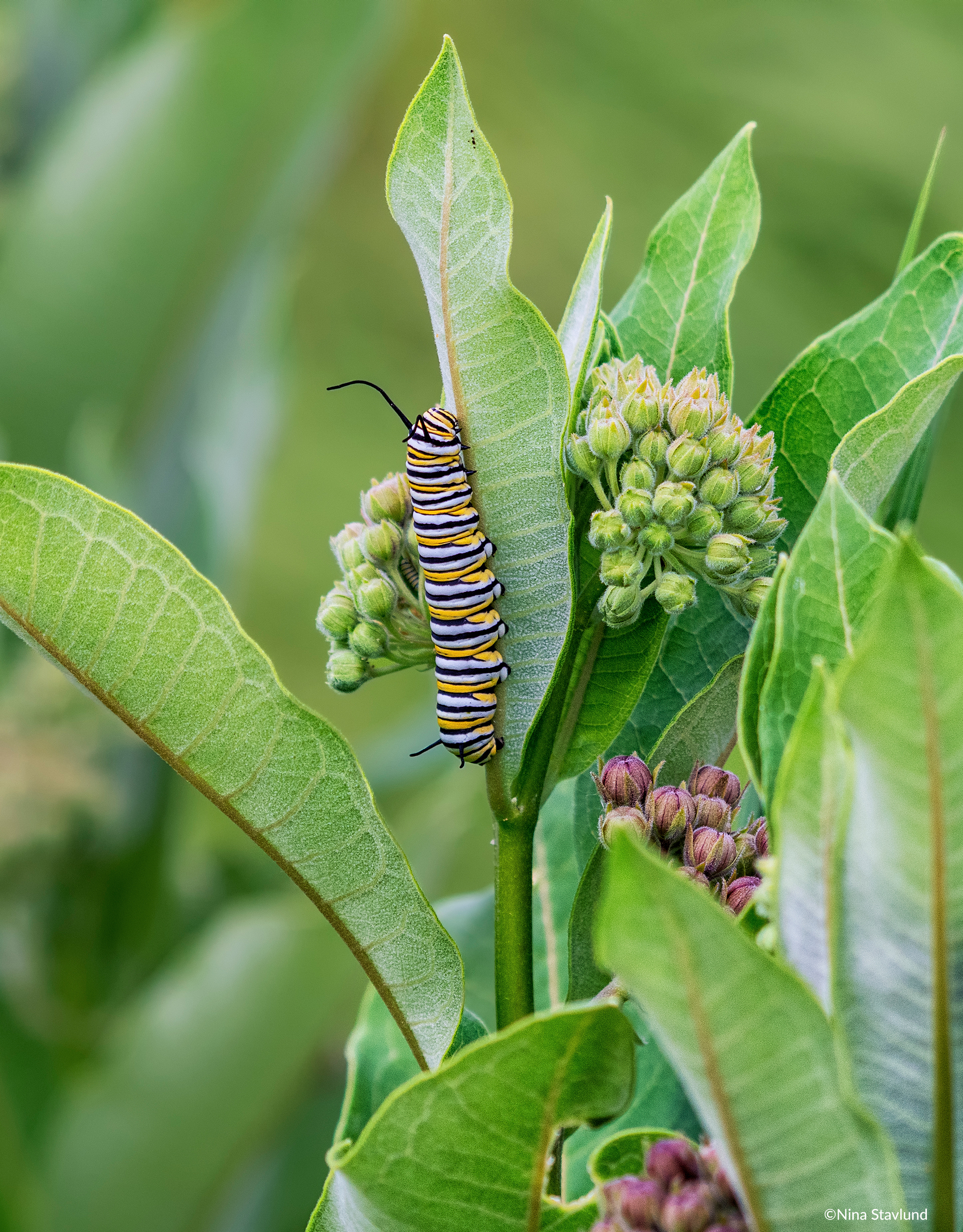
One of the most critical needs for Monarch survival in their breeding range is milkweed. Monarchs rely exclusively on milkweed plants for breeding. In fact, a single Monarch caterpillar can consume up to 30 common milkweed leaves in its 10 to 14-day development! Last year, scientists estimated that Canada has about 484 million common milkweed plants and to support healthy Monarch populations, we need to increase that number by 61 per cent, or an additional 295 million more stems!
The Canadian Wildlife Federation is working towards this goal by restoring native meadow habitat rich in milkweed and nectar plants. These restored landscapes help support Monarch Butterflies and a wide variety of other insects and pollinators.
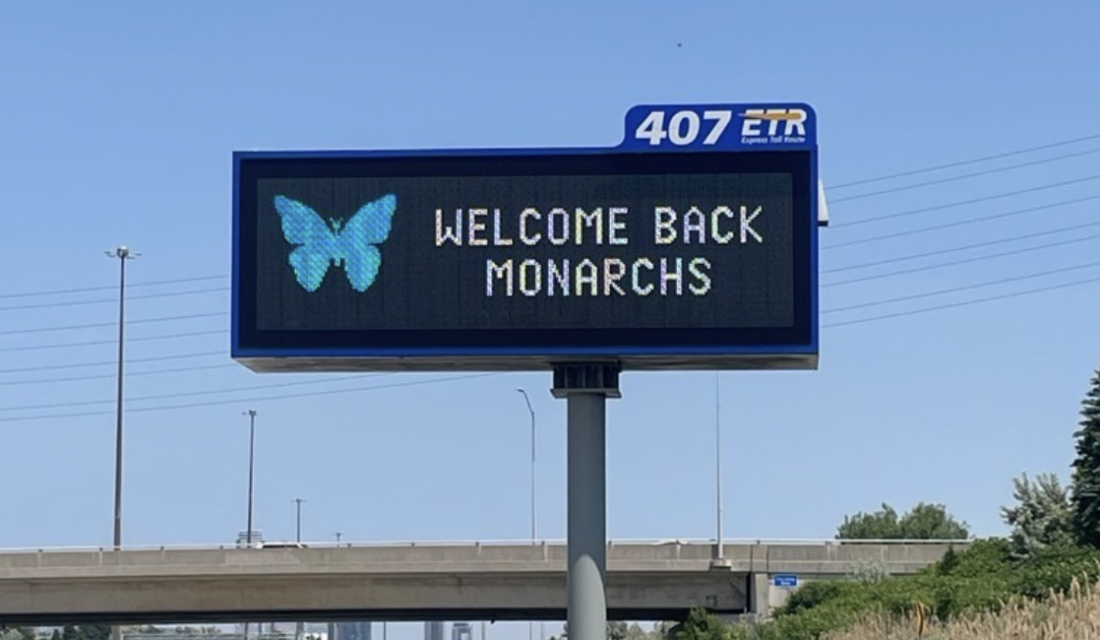
The Canadian Wildlife Federation is grateful for the support of the 407 ETR, whose partnership has helped restore critical pollinator habitat in communities surrounding the 407 ETR highway corridor. Thanks to their support, more than 14 hectares of habitat have been restored across the Greater Toronto and Hamilton Area over the last three years, bringing CWFs total restored area to 1,828 hectares since 2019.
How You Can Help Monarchs
Helping Monarchs doesn’t end with large restoration projects. Individual actions make a meaningful difference too! You can help by:
- Planting native milkweed and nectar-rich flowers like Wild Bergamot (Monarda fistulosa), New England Aster (Symphyotrichum novae-angliae), and Black-eyed Susans (Rudbeckia hirta)
- Leaving milkweed where it grows in gardens, yards, or marginal croplands
- Participating in community science by tracking Monarch sightings on iNaturalist
- Avoiding the use of pesticides and herbicides wherever possible
Together, these actions help create a landscape where Monarchs and other insects and pollinators can thrive.

Katherine Peel
Katherine Peel is a terrestrial conservation project coordinator at the Canadian Wildlife Federation working in both the grasslands awareness and rights-of-way as pollinator habitat programs.


2 comments
Why are you leaving out the main reason why habitat or the number of hectares in the Oyamel forests in Michoacán have dwindled? The Monarchs overwintering habitat in Mexico (in particular El Rosario sanctuary which hosts 80% of overwintering monarchs) has been greatly deforested (mainly illegally) in order to grow avocados for global export. This is what is decimating the Monarch population, loss of winter habitat due to the avocado trade. The main Mexican environmental activist who was trying to protect the Monarchs El Rosario sanctuary was murdered because of this. Planting more milkweed in Monarchs’ breeding ground in Canada will not solve that crucial problem, unfortunately. What is needed to help Monarchs is a North American consumer boycott of Mexican avocados, which is what my family has been doing. If you haven’t seen it, please watch “Conflict Avocados” by Fernando Laposse on YouTube.
Thank you for raising this point. Logging and land-use change, including agricultural pressures, are serious concerns that are impacting critical overwintering habitat in Mexico. Illegal logging has been greatly reduced due to efforts by the Mexican government and program funding from the US government that focuses on community conservation efforts that provide jobs for local people. You are correct that increasing pressure on local production of avocado is an increasing risk to Oyamel fir forests. Climate change also poses a risk as temperatures increase and Monarch move to higher elevations. But threats to Monarch do not end at the Mexican border. Habitat loss in the breeding grounds of US and Canada, especially the loss of host plants, has also had a great impact on the eastern Monarch population. Our program focuses on contributing where we can have the greatest impact in Canada. By supporting science-based, collaborative conservation actions in the monarchs’ breeding and migratory ranges in Canada, we are addressing habitat loss, pesticide use, and climate-related impacts during this key stage of their lifecycle.
That said, Monarch conservation is inherently a shared, tri-national responsibility. CWF is proud to work with partners in the United States and Mexico to support coordinated conservation actions across their full migration, including forest conservation in Mexico, breeding habitat conservation and restoration across Canada and the US, and the protection of migration corridors throughout North America.