Before students can take meaningful action for wildlife, they need to understand the environment they’re trying to conserve.
This month, we’re focusing on environmental actions: actions that help students explore environmental issues, investigate human impacts and support the health of ecosystems. These actions often involve understanding how changes to soil, water, air and biodiversity affect wildlife and the natural systems we all depend on.
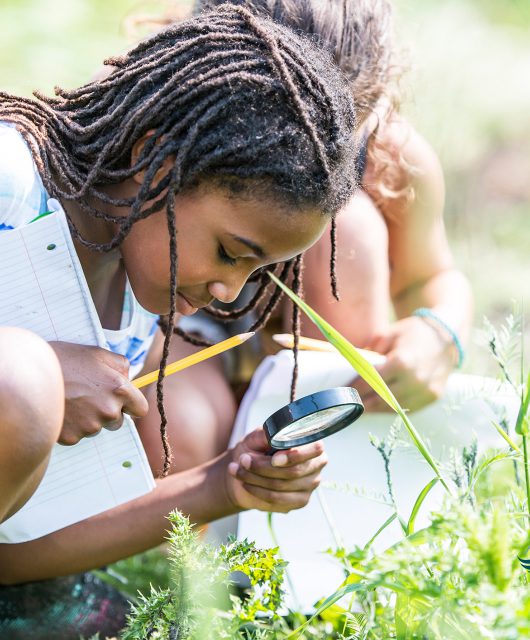
The good news? Students don’t need to travel far to become environmental investigators. A schoolyard, local wetland, stream, playground or city park can become an outdoor classroom filled with opportunities to observe, ask questions and discover connections. Check out the “nature near me map” to find nature near you.
Environmental action begins with curiosity. By learning how ecosystems function and how they respond to change, students develop the knowledge and confidence needed to make informed decisions and take action for conservation.
Why Understanding Ecosystems Matters
Every ecosystem is made up of living and non-living components that interact with one another. Water, soil, sunlight, flora, fauna and more all work together to create healthy habitats.
When one part of the system changes, other parts are affected as well.
For example:
- Pollution can reduce water quality and affect aquatic species
- Habitat loss can decrease biodiversity
- Changes to soil can influence plant growth and wildlife habitat
- Invasive species can alter food webs and ecosystem balance
By examining these relationships, students begin to see that environmental issues are often interconnected and that positive actions can have far-reaching benefits.
Teaching Resources
Halting and Reversing Biodiversity Loss in Canada — This course, created by Environment and Climate Change Canada (ECCC), will introduce you to the foundations of biodiversity, examine why biodiversity is important – to humans and to a healthy, functioning planet – and explore what actions can be taken (and are currently being taken) to help halt and reverse biodiversity loss.
- Hinterland Who’s Who – Explore HWW’s “wild spaces” section to learn about different ecosystems in Canada, the species that depend on each one and how environmental changes affect wildlife.
- Ducks Unlimited Canada —Wetlands are among the most productive ecosystems in Canada, supporting countless species while helping filter water and reduce flooding. Explore educational resources that help students understand the vital role wetlands play in environmental health.
- Forest Literacy Framework — Created by Project Learning Tree, this framework helps to lay out the knowledge and skills surrounding forests and forest management.
- Supporting Risky Play in Schools Nov 10,2026 — Many educators face barriers around outdoor learning because it is perceived as risky. This virtual workshop with the Outdoor Learning School & Store will explore the ways that responsible risky play supports the physical, social, emotional and cognitive growth of children.
- CBC Kids YouTube, alternative CBC Kids — CBC Kids offers engaging, student-friendly videos and articles that introduce environmental topics such as pollution, habitat conservation, biodiversity and climate change.
In the Activity Guides
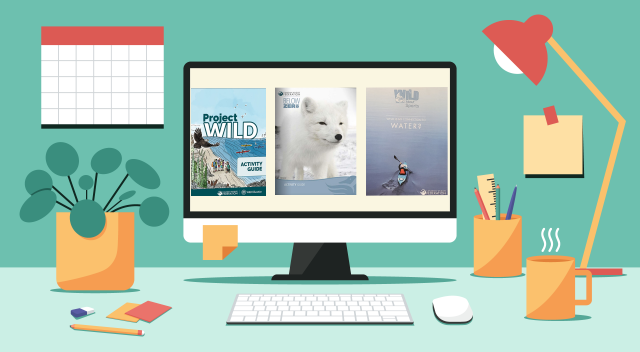
This month’s featured activities encourage students to investigate environmental systems and consider how humans influence them. These activities are found in our Project WILD activity guide, one of the three activity guides available from CWF.
- How Wet Is Our Planet? (Project WILD, p. 55) — Students explore Earth’s water resources and discover that only a small fraction of the planet’s water is available for human use and wildlife habitat.
- Litter We Know (Project WILD, p. 64) — Students investigate litter and its impacts on wildlife and ecosystems.
- Habitat Rummy (Project WILD, p. 43) — Through a card game, students explore habitat requirements and relationships between wildlife and their environments.
- Career Critters (Project WILD, p. 342) — Students match organisms to environmental problems in a local community and evaluate the potential of the organisms to help control problems.
To access the full guide and materials, sign up for a professional development session near you!
For more educational resources, projects, and lesson plans, check out our Online Learning Library and sign up for our monthly education newsletter.
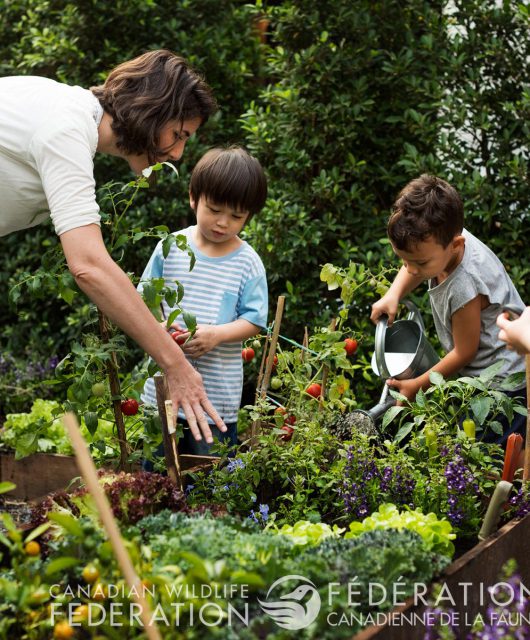
Want to garden with your students? Read the WILD Spaces blog for tips and activities.

Meagan Potter
Meagan is the program administrator for formal education at the Canadian Wildlife Federation. She has worked with WILD Spaces, WILD Generations, WILD Education, and the Gardening for Wildlife programs. When she's not at CWF, you'll find her working part-time at an emergency veterinary clinic or offering dog training lessons through her small business.