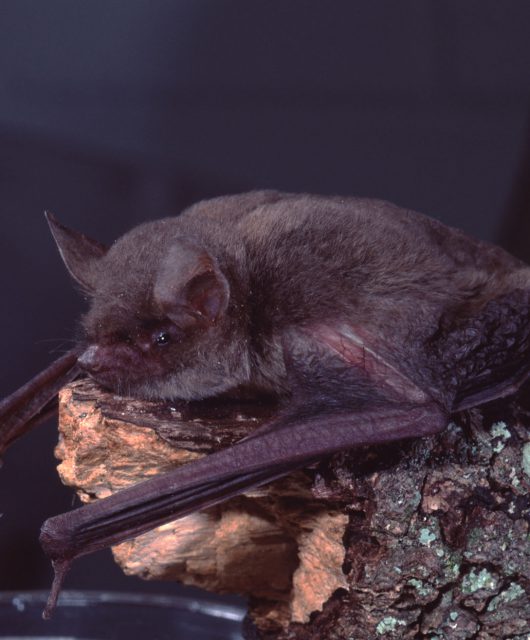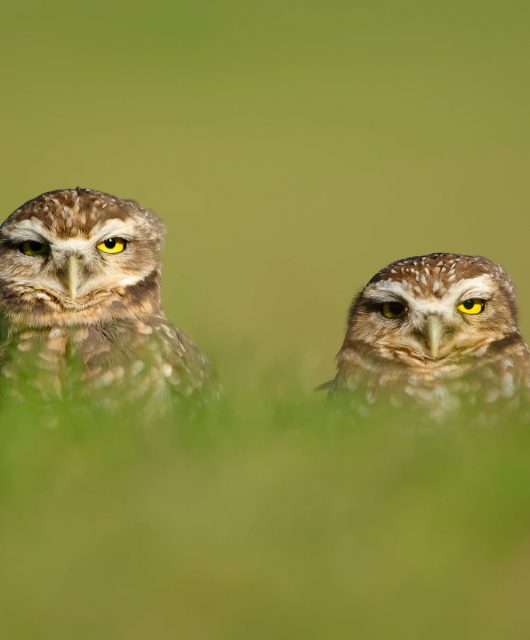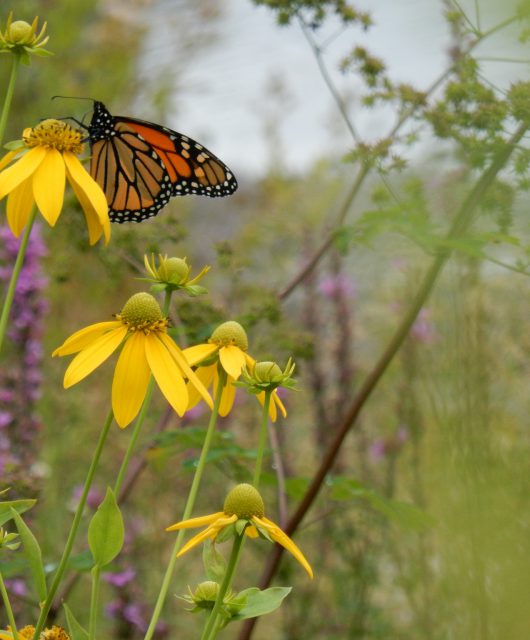
As winter loosens its grip and the landscape begins to thaw, April marks a time of renewed energy in Canada’s ecosystems.
Meltwater flows through forests and wetlands, early plants push through cool soil, and wildlife becomes increasingly active. It’s also the moment when we can begin to notice which species are returning and which may be taking hold — offering a perfect opportunity to explore the difference between native and invasive species. This season is rich with opportunities for learners to observe ecological change in real time.
Teaching Resources
- An overview of plants – A PowerPoint presentation resource on plant anatomy.
- Paper Plant Pots – A hands‑on craft. Pair it with native seed starting or discussions on soil moisture and thaw timing.
- Native or Invasive? Learn about native and invasive plants in your community with the CWF Native Plant Encyclopedia and CWF Invasive Species Encyclopedia.
- Friends or Foes – A classroom debate between native and non-native species.
- Assess the Mess – Research native and non-native species in your area and discuss the effects on local wildlife.
- Hinterland who’s who – A quick video and background on invasive species.
- Grasslands Project – Though broad in scope, this fits nicely as grasslands undergo major regeneration in early spring—new shoots, overwintered seeds germinating, and wildlife return.
WILD Education Workshops
Have you taken a WILD Ed workshop? Check out these lesson plans and activities in the Project WILD Manual.
Wish you had a Project WILD manual or want to tell a friend to sign up for a WILD Education workshop? Send them this link to sign up for our waitlist. Sign up link
Project WILD:
- Turtle Hurdles (pg. 638) — As wetlands thaw, turtles begin moving from overwintering sites to basking spots and nesting areas. This activity explores the migration challenges turtles face—especially road crossings in spring.
- Aquatic Roots (pg. 327) — Investigate native and non‑native aquatic plants as water systems warm. Meltwater brings nutrients and disturbance, creating ideal conditions to study plant adaptations and invasions.
- World Travellers (pg. 550) — Perfect for exploring how seeds, species, and materials travel across the landscape—especially via spring water flow, wind, and human movement.
- Water Canaries (pg. 160) — Explore spring water quality by studying aquatic invertebrates.
Student Action Projects
“Caring about wildlife, restoring natural areas, and getting kids into nature is the best thing that we can do for our kids. […] They do better in their cognitive abilities. They do better in science, technology, engineering, math, and the arts. They develop their social and emotional intelligence at higher levels than kids who are spending more time on screens. They’re less anxious and less fearful.” – Collin O’Mara
As the world thaws and spring awakens, encourage your students outside to connect with nature and take meaningful action for wildlife. Here are a few simple ways to make a lasting impact together.
National Wildlife Week — April 6–12
- Many organizations celebrate National Wildlife Week. Search to see what is taking place in your area.
- If you missed it, check out the CWF recorded webinar series on the five senses. (Bats & hearing, Bees & sight, Eels & touch, Salmon & taste)
Earth Day — April 22
- Encourage stewardship with: habitat cleanups or Native seed planting.
- Check out a nature-based education organization near you.
City Nature Challenge — April 24–27
- A global citizen science event inviting schools to document local biodiversity using iNaturalist.
- Spring thaw = ideal conditions for spotting early plants, insects, birds, and amphibians.

CWF-FCF
Our mission is to conserve and inspire the conservation of Canada’s wildlife and habitats for the use and enjoyment of all.