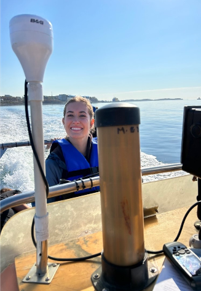
This summer, I had the opportunity to conduct research with the Canadian Wildlife Federation’s marine conservation science team for my Master’s project.
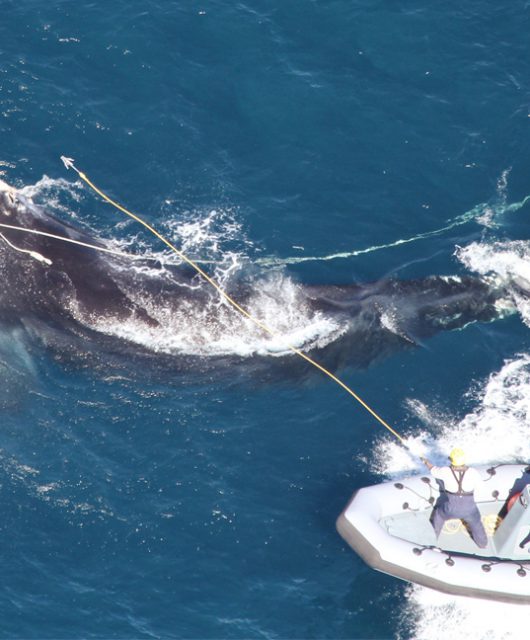
 The focus of my research was on North Atlantic Right Whales (NARW) and the risk of entanglement in fixed lobster fishing gear — specifically within the international grey zone in the Bay of Fundy and Gulf of Maine. This region is particularly interesting from a management perspective because it falls under the jurisdiction of both Canada and the United States, allowing lobster fishing to take place under different regulations and seasons. The grey zone presents a unique challenge when it comes to managing risks to NARW. When these whales are observed in the grey zone, there is a lack of fishing prohibitions in place to protect them from entanglement compared to other lobster fishing areas in Canada that are subject to fishery closures.
The goal of my research was to better understand the overlap between NARW presence and lobster fishing activity within and around the grey zone over space and time. This project is one of the first studies to combine datasets from both the United States and Canada to develop a better understanding of entanglement risk in this region. Combining data from both countries is particularly important because the grey zone crosses an international boundary and examining fishing activity from only one country would provide an incomplete picture of the potential risk. The research involved using fishing and NARW datasets, as well as programs such as R and GIS, to visualize and analyze patterns in whale occurrence and fishing activity.
The risk of entanglement was evaluated from 2020 to 2025, with a broader study area encompassing Lobster Management Area 1, Zone A in the USA and Lobster Fishing Areas 34 to 38 in Canada. Expanding the study area helped provide a more comprehensive understanding of seasonal migration pathways and movement patterns of NARW, while also allowing for a better assessment of how fishing activity overlaps with areas where NARW are present.
More Overlap Than Thought Between Fishing and North Atlantic Right Whales in International Zone
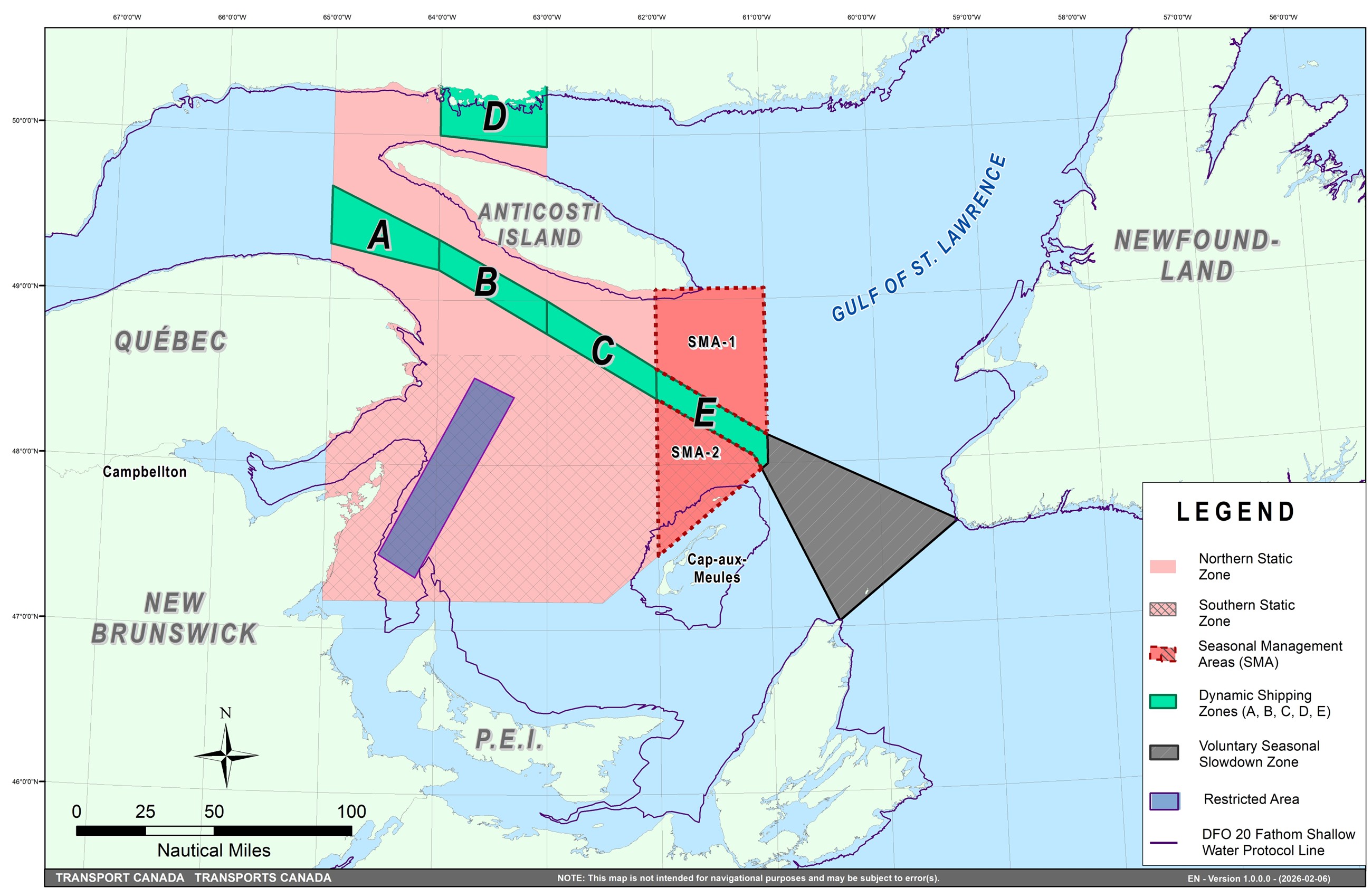 Although fishing activity within the grey zone was relatively low compared to surrounding fishing areas, approximately 221,000 endlines (the end portion of fishing gear where the tackle is attached) were recorded between 2020 and 2025 on the Canadian side. In 2024 alone, 39,120 endlines were recorded, while eight NARW were observed in the region. These findings highlight the potential for overlap between fishing gear and NARW presence, emphasizing the importance of understanding entanglement risk in an area with limited protection measures.
One of the most valuable parts of this internship has been the opportunity to develop skills that I will carry with me throughout my future career. I have learned how to work with fisheries datasets, troubleshoot and interpret data, create maps, and conduct research. I have also strengthened my communication, organization and problem-solving skills through working with CWF’s marine team and learning from the staff.
My time with CWF has also given me the opportunity to learn from individuals with a wide range of knowledge and experience in marine conservation. Getting to know the marine team and learning about the exciting work CWF is involved in has been one of the highlights of my summer.
I am grateful for my time with CWF and the marine team in Halifax and for the opportunity to contribute to this work while supporting my professional development throughout the summer. This experience has strengthened my interest in marine conservation, and I look forward to seeing my graduate project continue to develop and come to completion in the fall.
Author: Emma Hughes
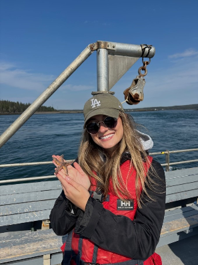 Emma is a Master of Marine Management Candidate at Dalhousie University expecting to complete her studies in December 2026. Her background includes a Bachelor of Science from Acadia University, with a focus on Biology, and a Graduate Certificate in Oceans Technology from Nova Scotia Community College. She worked with CWF as a student researcher alongside the marine team in Halifax.

CWF-FCF
Our mission is to conserve and inspire the conservation of Canada’s wildlife and habitats for the use and enjoyment of all.