From a young age, I’ve had an obsession with marine life, constantly watching any nature documentary I could find.
To this day, I am obsessed with anything dolphin and whale related. Originally from Ontario, my obsession led me to move to Nova Scotia for school. I pursued a marine biology degree at Dalhousie University in Halifax and started my Master’s degree immediately after, which all eventually led me to an internship opportunity at the Canadian Wildlife Federation.
I learned about the CWF internship through my Master’s program, being connected to my (now) supervisor through the program. After several chats, I learned about the exciting opportunities CWF offered to support and encourage my graduate project. When I first started my internship, I met the CWF marine team in the Halifax office. The team welcomed me with open arms and I got to see all the gear which is lent out to harvesters across the Maritimes. Additionally, I was connected with people who could help me throughout my research and give me meaningful advice.
Study Focuses on Whalesafe Fishing Gear Strategy
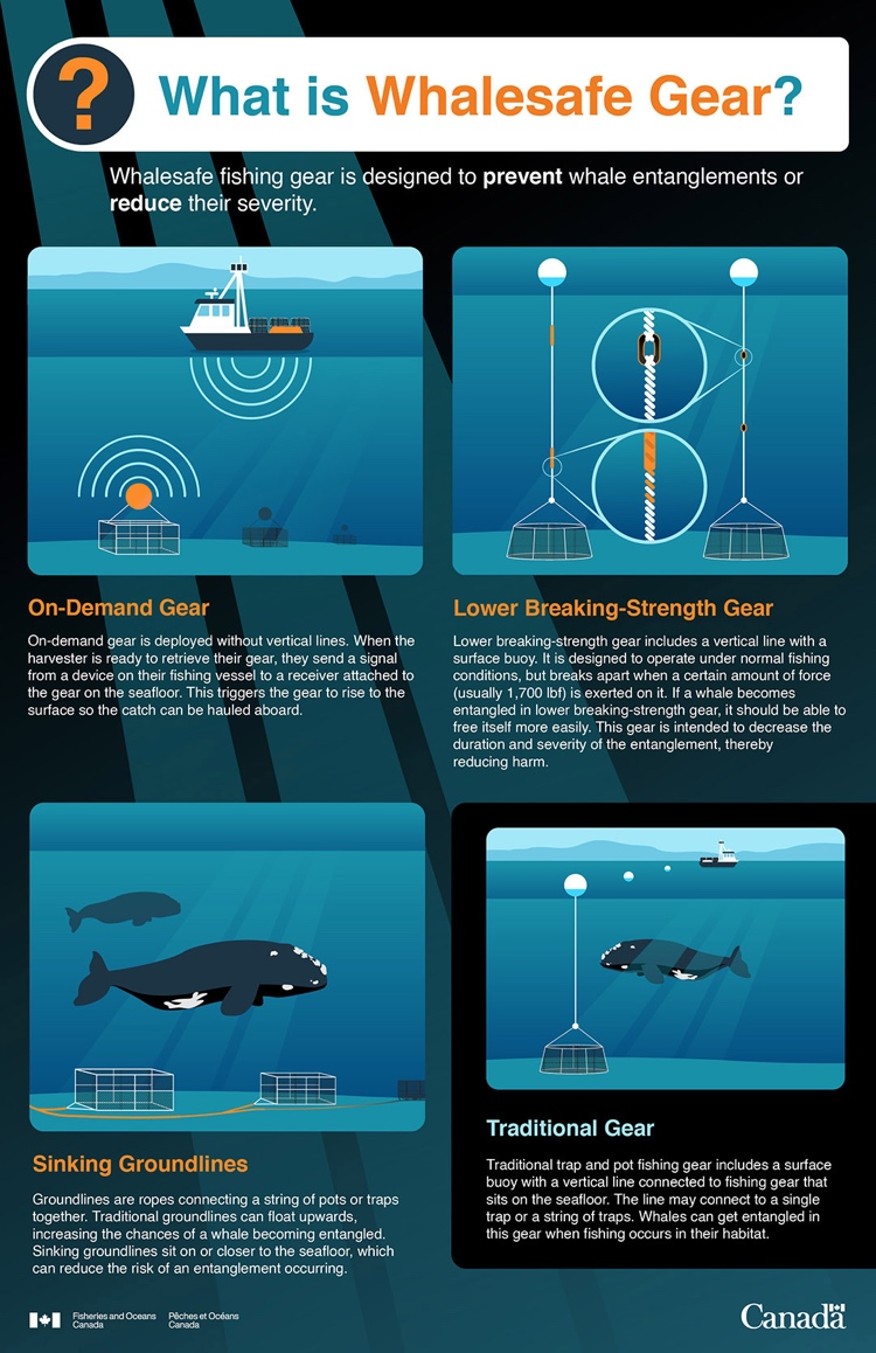
The main task of my internship was to work on my graduate project for university. My graduate project examines harvesters’ perspectives on Canada’s recently released Whalesafe Fishing Gear Strategy, including what information they consider important to understand about their fishery and how they want the strategy implemented overall. The Whalesafe Fishing Gear Strategy aims to integrate whalesafe gear (such as on-demand gear and low breaking strength gear) in fisheries with a high risk of whale entanglement.
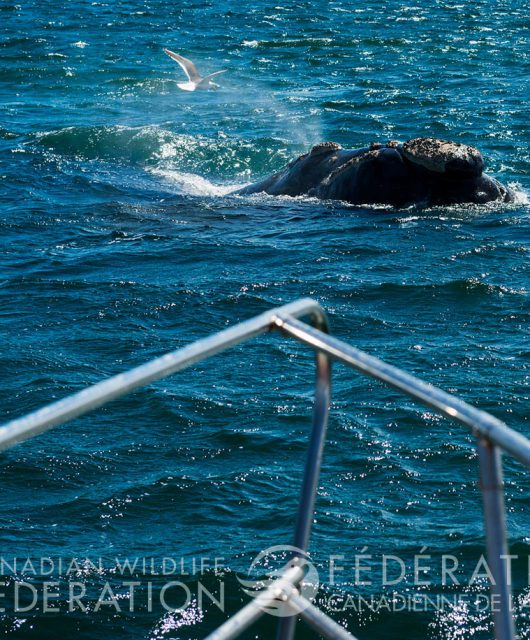
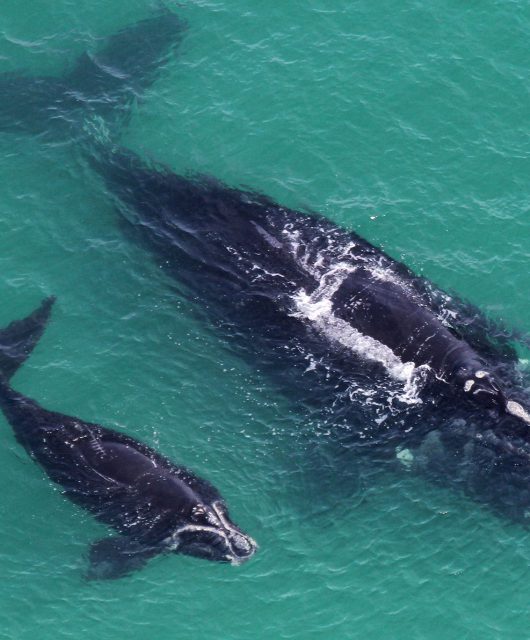
Ultimately, the goal is to lower entanglement risk, particularly for species like the North Atlantic Right Whale. Harvesters are obviously most affected by this strategy, so my work involves interviewing harvesters by phone across both the Atlantic and Pacific regions to gather their perspectives. The ultimate goal of my research is to find common themes and sentiments amongst harvesters to make recommendations to Fisheries and Oceans Canada (DFO) on how best to implement the strategy.
Harvester Input Essential
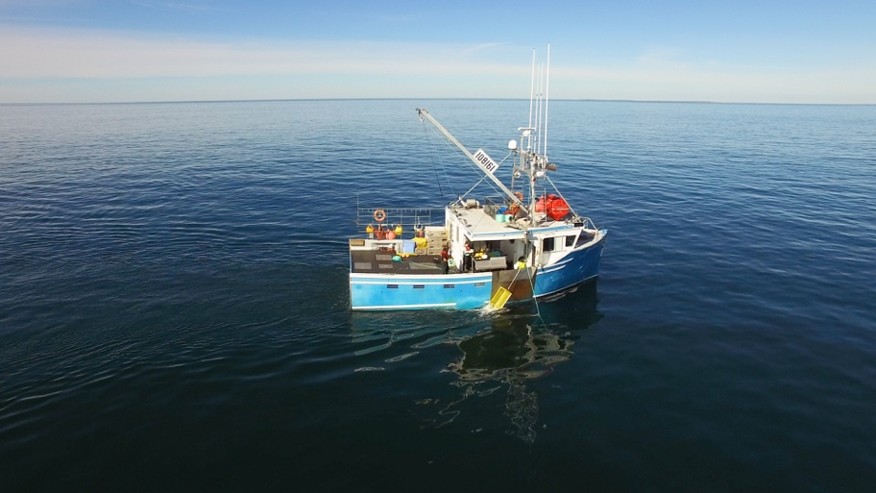 Throughout the summer I’ve been able to interview a variety of harvesters to gather perspectives on the Whalesafe Gear Strategy. It was sometimes challenging contacting the harvesters; however using the connections and relationships CWF has built with harvesters, I was able to overcome this challenge and secure the interviews needed for my project. In the coming months, I hope to make my recommendations through further interviews, interview analysis and writing my final graduate paper.
Hearing from harvesters coast to coast has been a privilege that has furthered my research and has led me one step closer to making recommendations on how to best implement the Whalesafe Fishing Gear Strategy.
Author: Claire Hamer
Claire is a Master of Marine Management Student at Dalhousie University who started working as a marine research assistant at CWF for the summer of 2026. Originally from Ontario, she moved to Nova Scotia to obtain a marine biology degree. Outside of work, Claire can be caught on walks by the boardwalk or lounging around playing video games.

CWF-FCF
Our mission is to conserve and inspire the conservation of Canada’s wildlife and habitats for the use and enjoyment of all.