Hi! I’m Annie, your friendly biologist and Hinterland Who’s Who Coordinator.
I won’t lie, it’s probably the best job ever! One of the perks of my work is that I get to help choose the wild species we are talking about! We try to show a wide variety of living things from all over Canada.
So when my team and I decided we hadn’t been to film in British Columbia’s coastal rainforest is such a long time, I was stoked! One thing about me is I tend to like all sorts of wild species… including those who don’t move! Plants are the backbone of our ecosystems: they provide oxygen, they’re an important food source and they create shelter for countless critters. But it’s not easy being green: for some, they might be boring or seem to look all the same. But if you look closer, they’re really diverse! They can be fuzzy, prickly, sticky… Some eat bugs, some look like rocks, and some grow to be the largest living beings on Earth! At any rate, when thinking about Canadian wildlife, plants are important to consider!
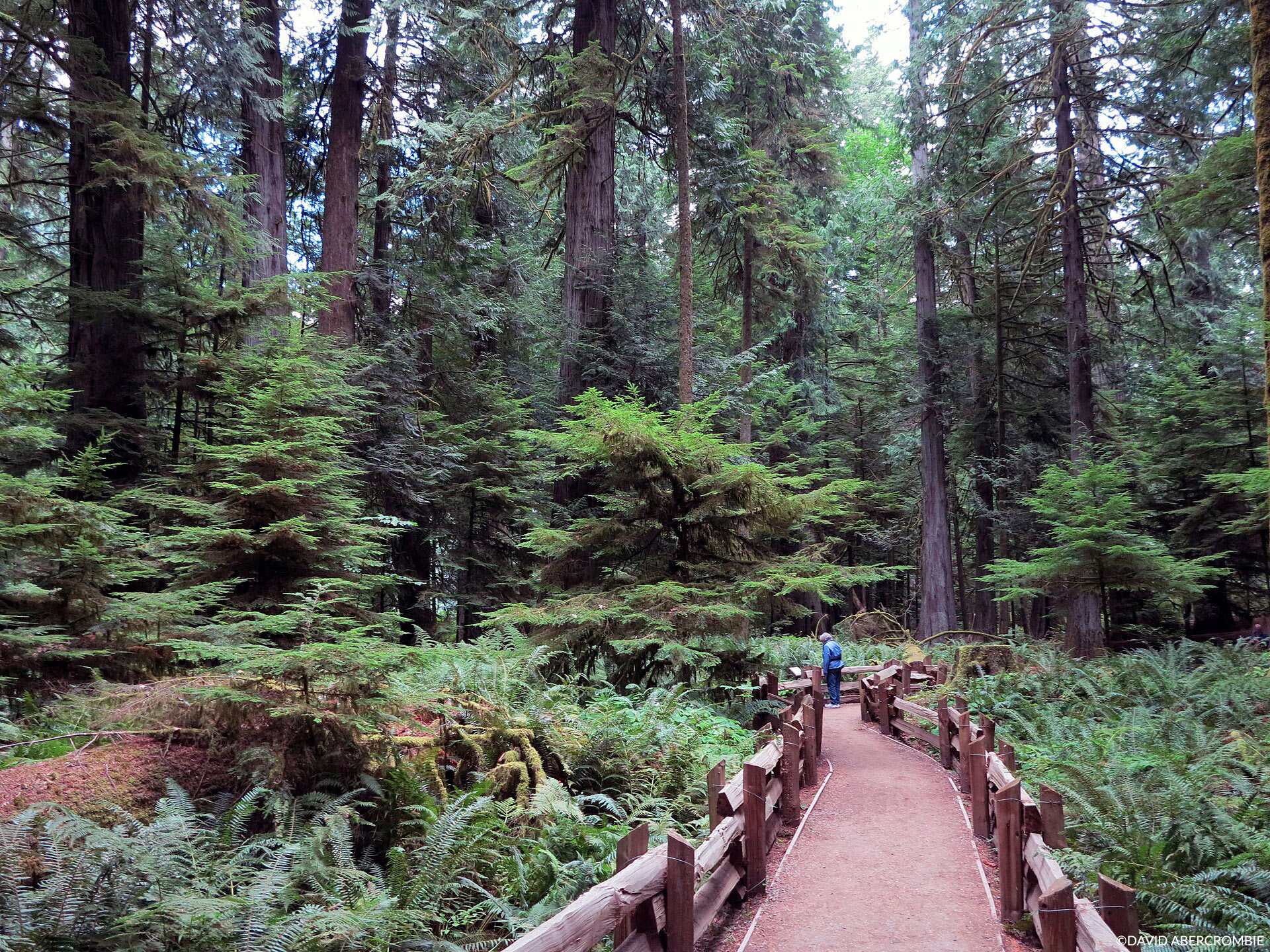
In the coastal rainforest, there’s lots of plants… but one sticks out: the Western Redcedar! And when I say “stick out”, I really mean it! Some can grow up to 70 metres tall! Trunks may grow more than four metres in diameter, making this species one of the most massive trees in Canada by volume. But what makes them that large? The growth conditions for this tree to live its best life are: lots of water, shade, and deep organic soil, so the rainforest is an ideal spot. The redcedar is also well adapted to this northern ecosystem. Its leaves, or needles, don’t fall during the winter (it’s a conifer evergreen!) and so it’s capable of growth much longer (and at lower lights) than leafy trees. But let’s be real: the winter over there isn’t the worse Canadians can get, so the temperate climate lets the redcedar grow lots faster than their boreal forest counterparts! To top it off, many old-growth redcedars show evidence of natural damage, such as broken tops or hollow trunks, yet continue growing for centuries. They can reach more than a thousand years in age!
Considering all that this tree does for the coastal rainforest habitat, including stabilizing and nourishing soils for other plant species, giving shelter to animals as different as the Banana Slug and the Bald Eagle (see our videos highlighting these species!) and even supporting a web of communicating microscopic fungi in their roots (called mycorrhizae), it’s no surprise that it is of first importance to Indigenous People of that area.
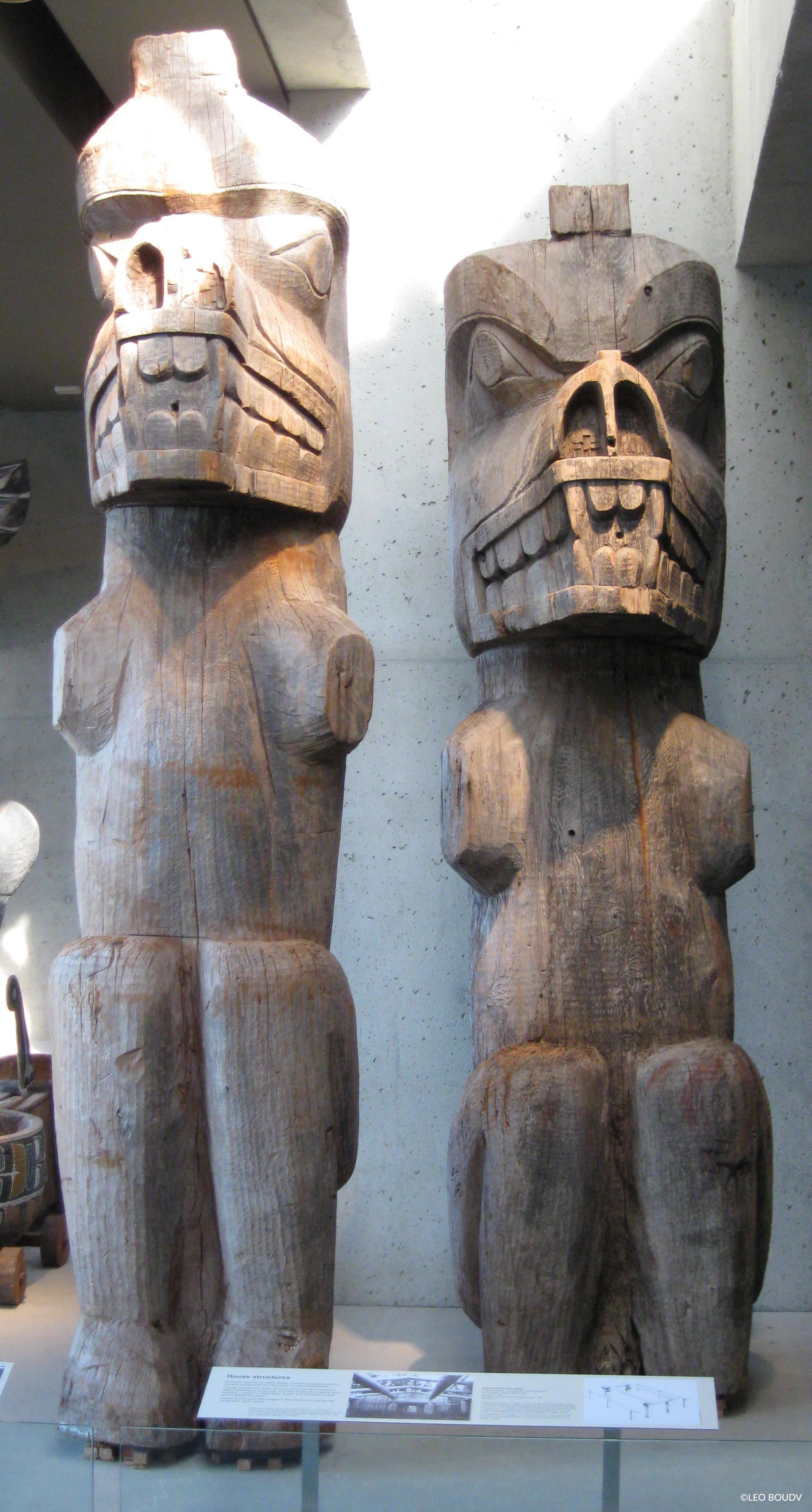
The Western Redcedar is even known as the “Tree of Life” for some of these people. For thousands of years, it has provided essential materials for housing, transportation, clothing, tools, and ceremonial objects, forming a cornerstone of daily life and cultural identity. Its abundance, workability and durability made it one of the most important natural resources in coastal environments. It also holds deep spiritual significance. It appears in origin stories, ceremonies, and teachings that emphasize balance, respect, and stewardship. In many cultures, cedar is associated with protection and purification, and its materials are used in cleansing rituals. The tree is often regarded as a living being, reinforcing the importance of taking only what is needed and giving thanks.
When HWW visited the coastal rainforest, it was evident that we had to talk about this epic plant and share its natural history with all Canadians! And we have a new series of videos doing just that! They will be available on our website and social media on November 7, 2026. And look out for us on your tv too!
For more information, visit us at hww.ca!

Tobi McIntyre
Tobi is the Interactive Content Manager for the Canadian Wildlife Federation. With training in biogeography, paleoanthropology and journalism, Tobi is happiest being outside feeling the sun, wind and soil on her skin. She has a deep respect for wildlife and enjoys sharing this awareness with her son and anyone else who'll listen.