Welcome to a new year of WILD Spaces!
This year, our theme is Action. Throughout the school year, we’ll explore ways students can make a difference for wildlife and their communities through different types of actions. Read our WILD Education blog to learn more about the different types of actions. But before we jump into action, we need to start with something even more important: connection.
The WILD Spaces journey goes through five phases:
- Connect – Build a relationship with your outdoor space.
- Learn – Discover the plants, animals, and habitats around you.
- Plan – Identify opportunities to support wildlife.
- Act – Put your ideas into action.
- Reflect – Celebrate accomplishments and think about what comes next.
Every meaningful action begins with understanding and appreciation. That’s why our first step is to connect with the outdoor spaces around us.
Every Space Is a WILD Space
When we think about wildlife, it’s easy to imagine forests, wetlands, or national parks. But wildlife exists everywhere. School grounds, parks, gardens, and even small patches of grass can provide habitat for wildlife.
In fact, the most important thing about a WILD Space isn’t its size. What matters is the role it plays in supporting the plants and animals that call it home.
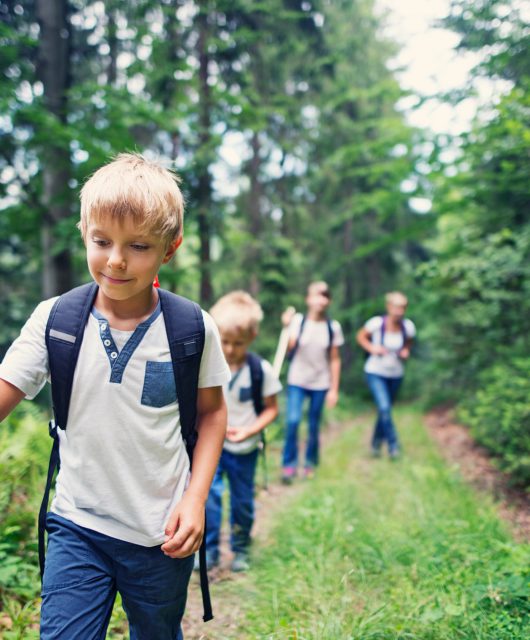
Take your students outside and encourage them to explore with curiosity. Ask questions such as:
- What do you notice?
- What can you hear?
- What living things share this space with us?
- What surprises you?
- What do you wonder about?
There are no set answers. The goal is simply to start paying attention.
Slow Down and Observe
We often move through outdoor spaces without really seeing them. Connection begins when we slow down.
Invite students to spend a few quiet minutes observing a single spot. They may notice:
- birds calling from nearby trees
- insects moving through the grass
- plants growing in unexpected places
- changing weather conditions
- signs of wildlife such as feathers, nests, tracks, or chewed leaves
Even spaces that seem ordinary can reveal extraordinary details when we take the time to look.
Consider having students record their observations through sketches, maps, or journal entries. These observations will become valuable as your WILD Space changes throughout the year.
Build a Sense of Place
One of the best ways to connect with nature is to return to the same place again and again.
As students revisit their WILD Space throughout the seasons, they begin to notice patterns and changes:
- Which plants appear first in spring?
- Which birds visit during migration?
- How do weather and seasons affect the space?
- What wildlife is present at different times of the year?
By returning regularly, students develop a stronger connection to the space and a greater sense of stewardship for the living things that depend on it.
Try These Connection Activities
Sit Spot Activity – Follow these links to learn about Sit Spots, where you use all five senses to quietly connect with your WILD Space. Sit Spot Webinar , Sit spot resources
Wildlife Search – Look for evidence of wildlife, including tracks, nests, feathers, insect activity, and animal homes. If you find any, upload photos to The Great Canadian Bioblitz (Sept 18 – 27) on iNaturalist to help community science.
Nature Journal – Project Learning Tree has tips on how to teach nature journaling. Use this resource to create a record of observations, questions, sketches, and discoveries throughout the year.
- Map Your Space – Work together to create a map of your schoolyard. Use either of these activities found in the CWF Learning Library to map your WILD Space:
- Well-Being through Outdoor Learning – This one-hour virtual workshop through the Outdoor Learning School & Store on September 15 talks about how connecting to nature can support children’s well-being and mental health.
Looking Ahead
This month, focus on getting to know your outdoor space. What wildlife is already there? What makes this place unique? What stories does it have to tell?
In the next blog, we’ll explore our second WILD Spaces theme: Learn, where we’ll provide more resources to help you learn about what is already in your WILD Space.
For now, head outside and start noticing. Sometimes the biggest actions begin with simply stopping, looking, and connecting.
If you discovered this blog on our website, be sure to sign up for the monthly WILD Education newsletter. You’ll receive monthly updates and everything you need to stay inspired and keep your garden growing strong! receive monthly updates and everything you need to stay inspired and keep your garden growing strong!

CWF-FCF
Our mission is to conserve and inspire the conservation of Canada’s wildlife and habitats for the use and enjoyment of all.