Community science (aka. citizen science) is transforming the way we understand and protect biodiversity.
Community science opens the doors of discovery to everyone — not just professional researchers. Through accessible tools like iNaturalist and community-driven projects, everyday people can observe, record and share data about the natural world around them. Whether it’s tracking migrating birds, documenting plant species, or monitoring local ecosystems, every little bit helps conserve nature.
This collective effort not only expands the scale and depth of current scientific research, it also empowers individuals to become active participants in environmental stewardship. In a time when biodiversity is under increasing pressure, citizen science offers a powerful reminder that meaningful contributions to science and conservation can come from anyone, anywhere.
April is Citizen Science Month
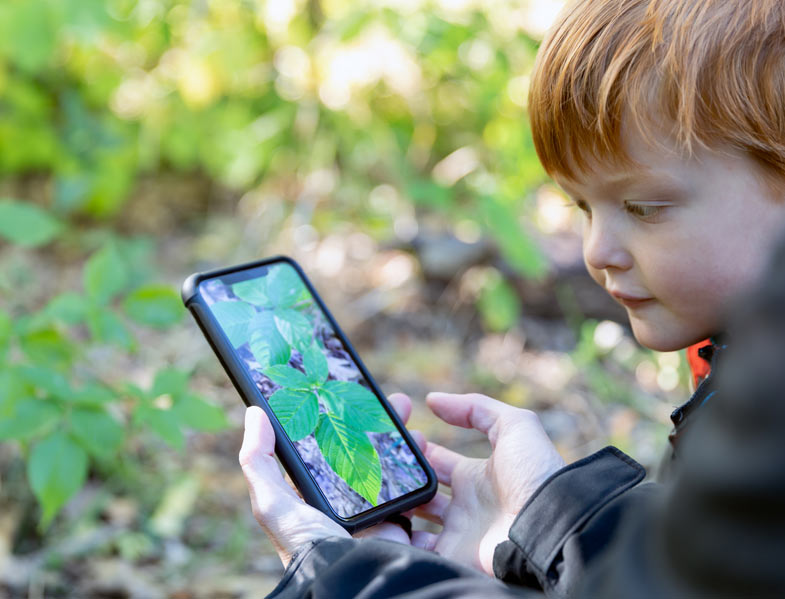
April marks Citizen Science Month, a global initiative that encourages everyone to step outside and take part in meaningful scientific discovery. Whether it’s photographing a backyard pollinator, recording bird calls on a morning walk, or documenting seasonal changes in local parks, there are countless ways to get involved. Tools like iNaturalist make participation simple and engaging; users can upload observations, receive help with species identification, and contribute directly to a growing global database. Here in Canada, these contributions are especially valuable, helping scientists and conservationists track species distributions, monitor ecosystem health, and respond to environmental changes with better, more comprehensive data.
Citizen Science Month is filled with opportunities to put your citizen science hat on and make a real impact. During National Wildlife Week, form April 6 to 11, Canadians are encouraged to celebrate and appreciate native species by observing and recording wildlife found in and around their communities. Earth Day, taking place on Wednesday April 22, offers another moment to take action, with community science activities like habitat cleanups, species counts, and environmental monitoring taking centre stage. Rounding out the month is the City Nature Challenge, a friendly global collaboration that brings together participants in more than 40 countries—and over 40 Canadian cities from coast to coast to coast – to document urban biodiversity and kick off a season of nature exploration. The City Nature Challenge happens in two stages: April 24 to 27 uploading observations and recordings, then an extended identification period April 28 to May 6.
Taking part in these events not only deepens our understanding of the natural world, but they also empower people of all ages to contribute to the protection of Canada’s diverse habitats and ecosystems, ensuring they remain healthy and resilient for generations to come. To all you community scientists, remember this: change doesn’t wait for permission – every observation you make, every data point you gather, is a step toward reshaping the world for the better by providing a brighter future for wildlife!

David DeRocco
David DeRocco is a former journalist and author of 14 educational books including the ESL titles Canada: Eh to Zed, America On Edge, and From Sea to Sea to Sea: A Newcomer’s Guide to Canada. He currently serves as CWF’s Senior Manager of Marketing and Events.