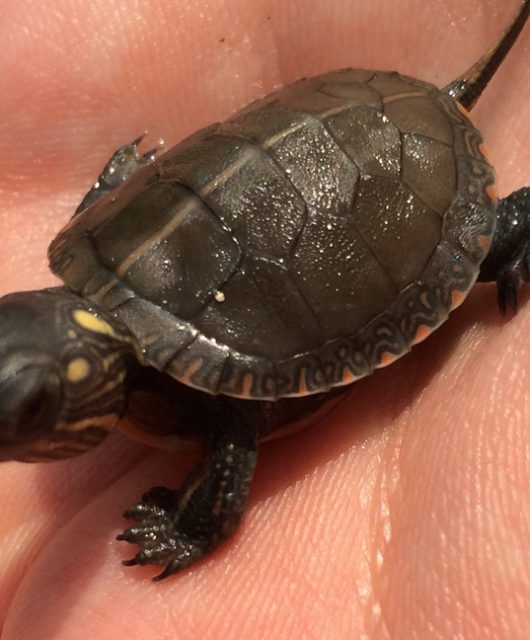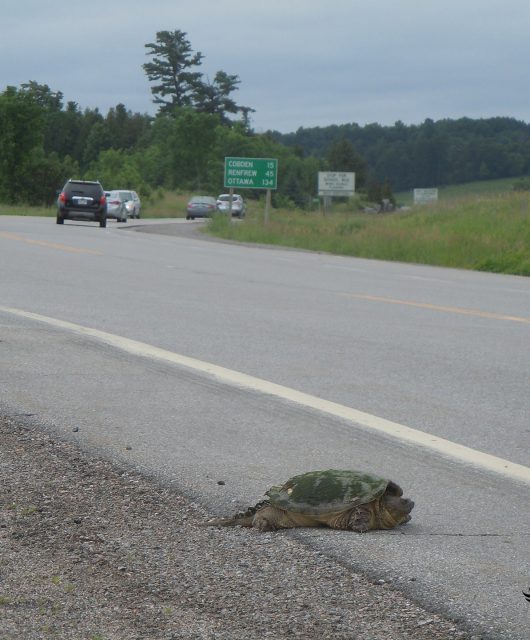
Tracking the ever-shifting ranges of wildlife is no easy feat.
Natural population fluctuations, seasonal differences, and changes in the landscape all influence where species are found. Yet one major driver remains constant: climate change. Fortunately, another constant is the growing number of community scientists whose observations help track these changes in real time. When ordinary people notice species turning up where they haven’t been seen before, we gain an essential advantage in monitoring range shifts across the country.
On platforms like iNaturalist Canada, observations accumulated year after year reveal when plants take root beyond their usual range, when insects appear farther up a valley, or when birds linger longer into the winter. As Canada’s climate warms, these small observations form a larger pattern: species moving north as conditions become more suitable. Community scientists have become central to documenting this shift.
Exploring the Ponderosa Pine biogeoclimatic zone
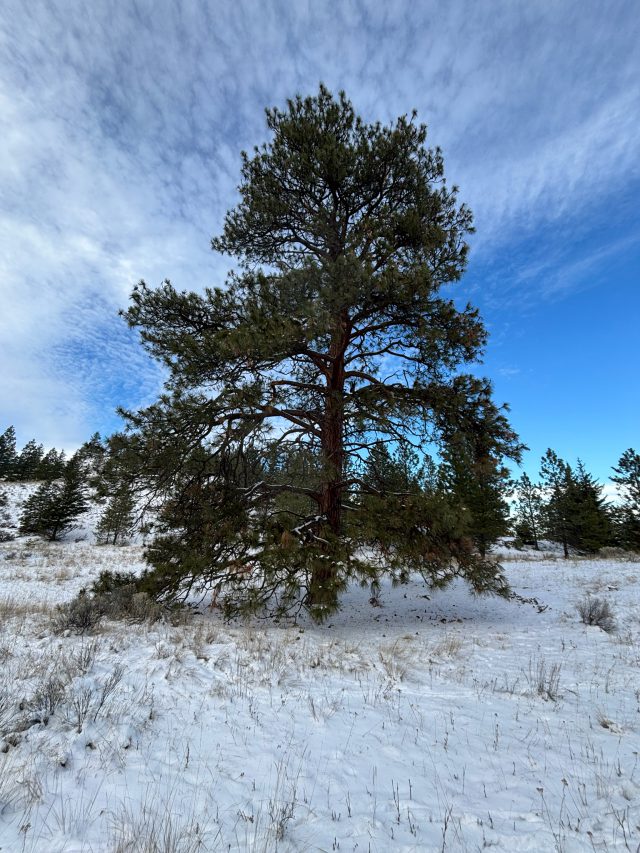
A clear example comes from the Okanagan Valley in British Columbia. In 2021, Tyler D. Nelson and Chandra E. Moffat published a report describing a 25-kilometre northern range expansion of the Yellow Scarab Hunter Wasp (Dielis pilipes), a critically imperiled species in Canada. This shift into Summerland, within the Ponderosa Pine biogeoclimatic zone, was supported by iNaturalist observations and fieldwork conducted by the authors in 2020.
This expansion carries implications for both conservation and agriculture. The species may be vulnerable to pesticide use in the Okanagan Valley, yet it also acts as a natural predator of agricultural pests, making its presence potentially beneficial for orchards and vineyards. The report is more than a curiosity, it is a concrete, peer-reviewed piece of evidence that a species once confined to warmer pockets is extending farther north.
iNaturalist amplifies these kinds of findings. Photos and geotagged records submitted by hobbyists, farmers, naturalists, and kids create dense, time-stamped maps of species distributions. Scientists can use these data to detect new appearances, seasonal shifts, and repeated sightings that together signal a range expansion.
Winter: the quiet frontline of change
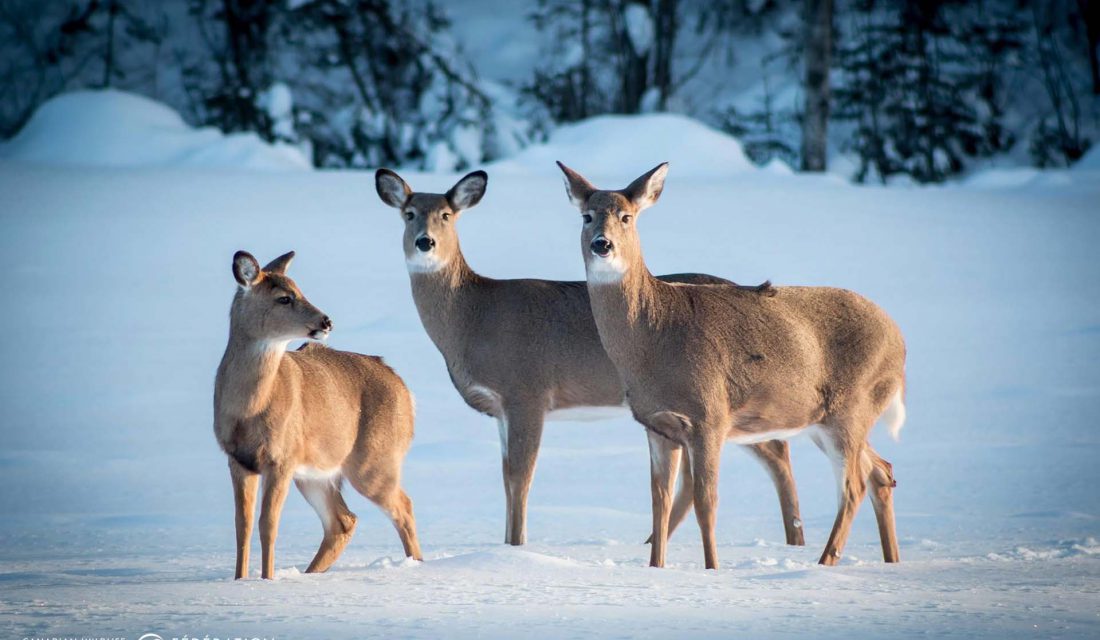
While many of us think of spring and summer when we imagine wildlife shifting their ranges, winter is a silent but powerful axis of change. Milder winters bring fewer days of extreme cold and more freeze-thaw cycles, and these are transforming landscapes that once served as hard boundaries for many species. For example, White-tailed Deer are pushing farther north into Canada’s boreal forests, a movement strongly tied to less severe winter conditions.
This expansion isn’t without consequence. In parts of Alberta, researchers have documented how deer densities correlate with winter severity, and how their incursion supports higher predator populations, to the detriment of Woodland Caribou, which are ill-equipped to cope with these trophic shifts.
At the same time, bird communities are reshuffling. Warmer winters are allowing species adapted to more southerly climates to survive regions further north, altering the winter bird assemblages we see during cold months.
Community scientists have a particularly important role here. Winter observations act as early warning signs. A single iNaturalist photo of an unexpected species in January, or an out-of-season lingering bird, can spark deeper investigation. Over time, these snapshots build up into a picture of how species are responding not just to warmer summers, but to the thawing boundaries of winter.
Use of iNaturalist during the winter
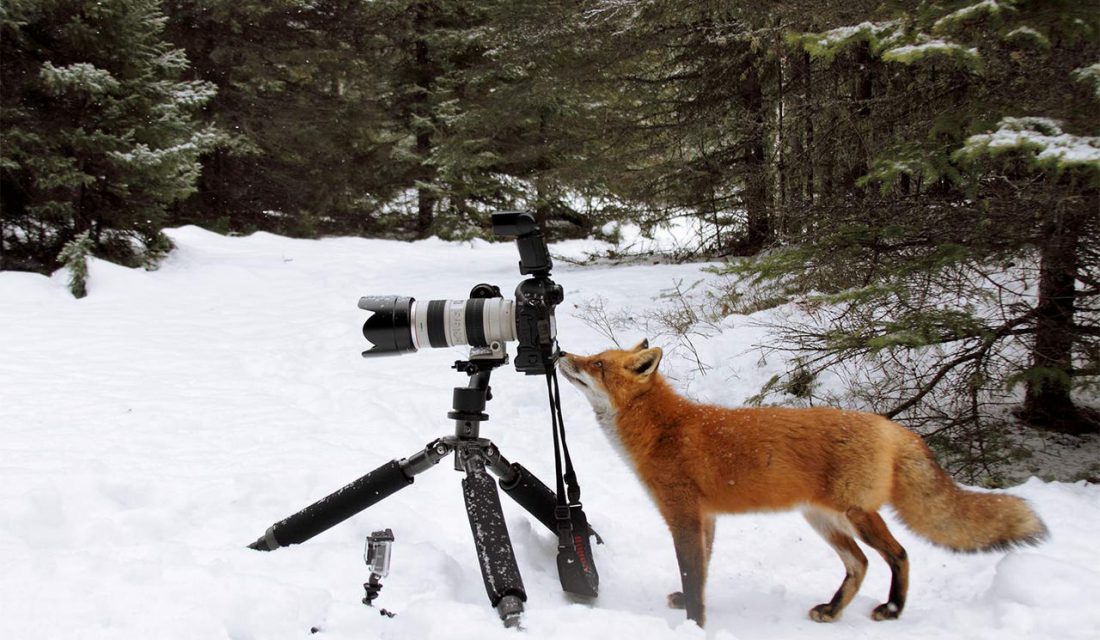
Winter brings its own challenges for community science. Fewer people are outdoors, daylight is scarce, and many animals stay hidden, so iNaturalist records naturally dip during the coldest months. That doesn’t mean winter observations are less valuable, just harder to collect. The result is a patchier dataset, where a single mid-January sighting can matter more than dozens of summer photographs.
Despite this, the platform is becoming an important window into seasonal change. Occasional winter reports of species lingering farther north than expected help complement long-running monitoring programs like the Christmas Bird Count. Each winter upload adds a missing piece to the puzzle, helping track where species are managing to survive the cold and how those patterns shift over time.
Even a brief glimpse of life in mid-winter can reveal meaningful change. That is why every photo taken in the quiet season carries outsized weight: it helps researchers see beyond the limitations of winter fieldwork and follow how climate change is reshaping Canada’s coldest months.
Join the CWF Observation Nation
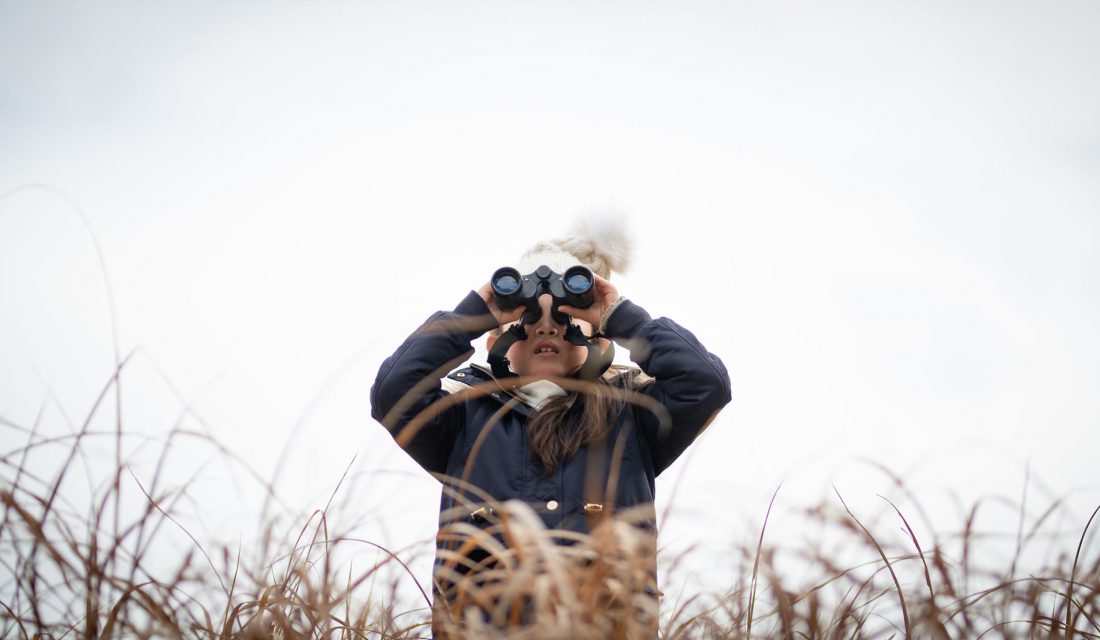
The human element matters. iNaturalist users who help detect wildlife in their backyards are not conducting research in a lab; they are neighbours noticing something new. Photographs become observations, observations become data, the data become a scientific note, and that note enters the broader conversation about biodiversity in a warming world. iNaturalist links observations with expertise, shortening the distance between a sighting and scientific action.
The takeaway is practical and empowering: your phone and your curiosity can contribute to science through CWF’s Observation Nation. Uploading a clear photo, along with a date and location, can help researchers track where species are moving and when. These community contributions can prompt follow-up studies, help set conservation priorities, and even influence local policy when species of concern appear in new places.
Change is happening. When we pay attention and share what we see, we not only record these changes, but we also help shape the story of how Canada understands and responds to them.

Samuelle Simard-Provençal
Samuelle is a wildlife ecologist with a passion for science communication, and a love for all that nature has to offer. She is CWF's iNaturalist Coordinator, assisting with the development, management, and promotion of the community science app and website. Samuelle creates and delivers engaging content, events, and initiatives aimed at promoting the iNaturalist.ca platform. When not in the office, you can find Sam watching birds, exploring tidepools, or creating embroidered art of her favourite species.