The harvesting of Canada’s peatlands is a growing concern for conservationists.
These unique ecosystems are very different from other wetlands. The top layer of this habitat is made up of living mosses and plants. Underneath this 30 to 50 centimetres of thriving plant material lies up to 10 metres of dead and decomposing Sphagnum mosses and plants. This is the water-absorbent substance known as peat. While some gardeners use it as a mixture to aerate soil and keep their plants hydrated, here are the top three reasons to find alternatives to gardening with this remarkable organic material, mostly found in the boreal forest and subarctic regions of Canada.
1. Peatlands Are Home to Many Species
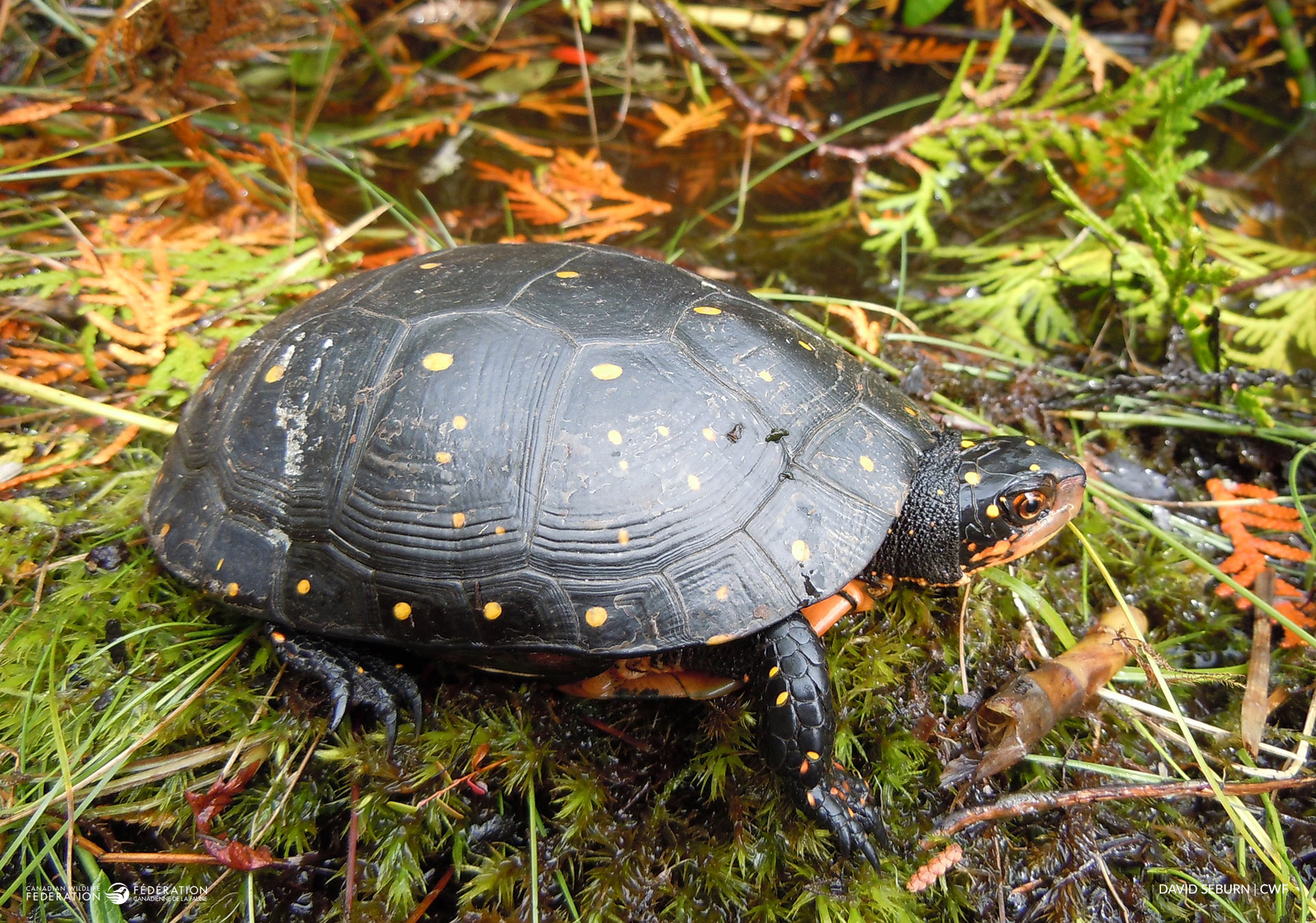
Canada is the steward of more than one-third of the world’s peatlands. These bogs and fens cover about 14 per cent of the country, providing critical habitat for birds, fish, mammals, plants, reptiles and amphibians. This includes at-risk species like Woodland Caribou and Spotted Turtles. Another fascinating fact is that many native wild orchids are specialized to thrive only in the peatlands of the boreal forest.
2. Peatlands Can Provide a Nature-based Solution to Climate Change
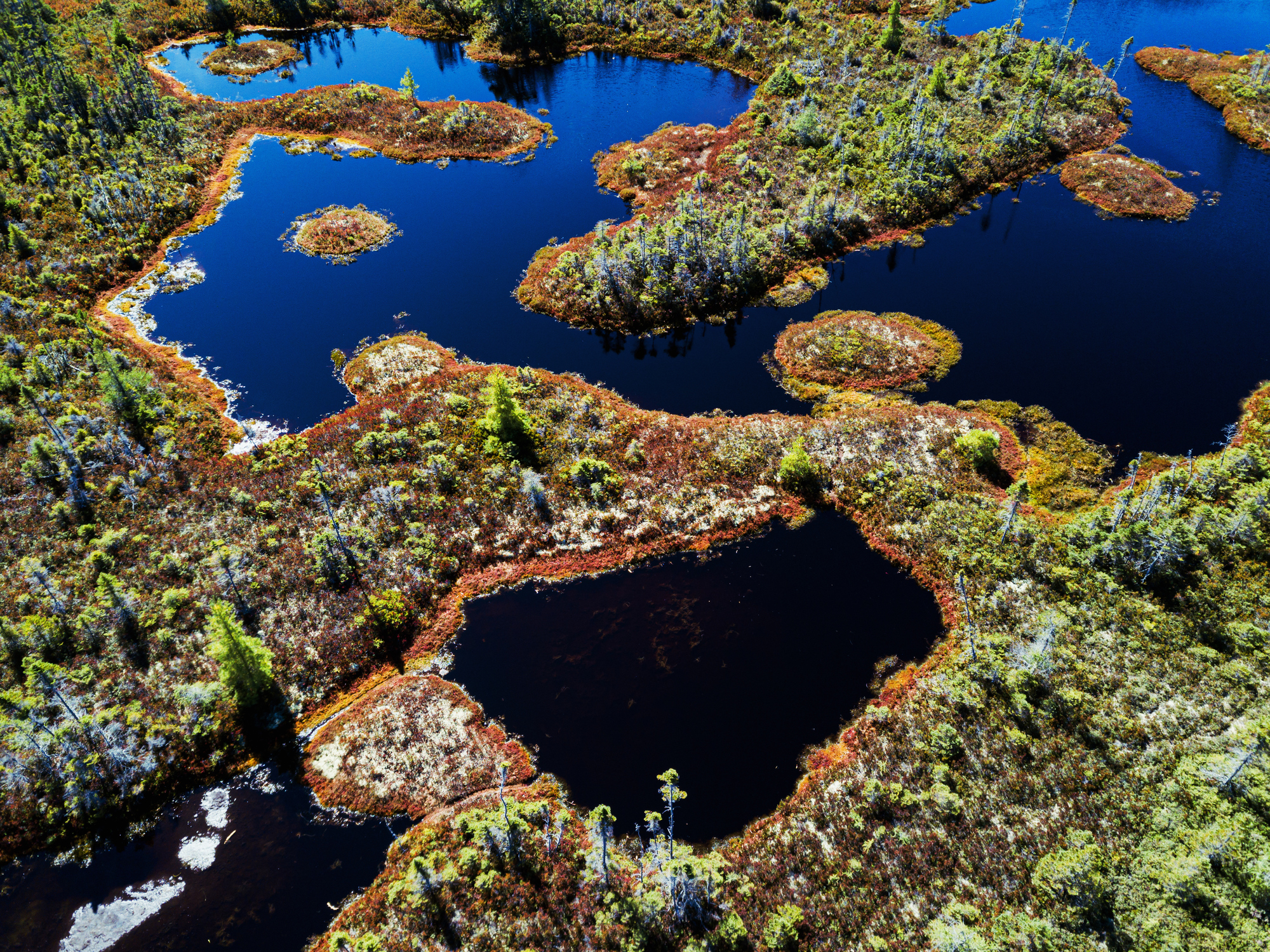
Peatlands store carbon. These natural ecosystems help keep the planet cool by trapping CO2 deep underground for thousands of years. They can also keep the area around them cool through water vapour exchange and by providing vegetation cover. By leaving these peatland resources intact, they may help mitigate the impact of climate change.
3. Peatlands Help With Water Retention and Filtration
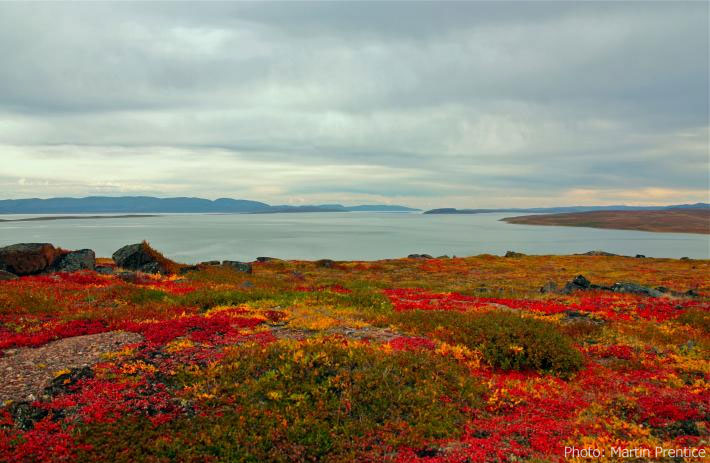
Often compared to soggy sponges, peatlands can help prevent flooding. They are also helpful in times of drought. In addition, they help filter and clean water. Estimates are that peatlands can remove up to 90 per cent of contaminants from the water column by essentially trapping them in their pores.
These are just a few of the reasons to conserve peatlands and leave this Sphagnum moss undisturbed in its natural settings. Disturbing these habitats can release carbon and pollutants back into the environment and prevent further carbon sequestration. But many gardeners are unsure what to use as a substitute when starting seeds or potting plants.
Here are some ideas to consider and decide what is right for you.
Coconut coir is the fibrous material that results from separating the inner layer of the coconut husk from the outer shell. In its raw form, it is stringy and is used to make rope, mats and biodegradable pots and hanging baskets. When grounded into a fine powder-like form, it has similar, if not more desirable, properties to peat moss. Among other things, coir aerates soil while holding more moisture than peat and can be easier to water by allowing the water to penetrate more easily. Additionally, as it does not stress our peatlands, coir is an appreciated alternative and has become more available in recent years. Before you buy some, however, it is worth considering that while much of the processing is manual, there is variation in some of the steps and resources used when cleaning the coir, from steaming to using chemicals. Where possible, read labels or contact suppliers to find out what was involved and if it is acceptable to you. The other factor is, depending upon the source, it may have been shipped from extremely far locations which involves more resources and creates more pollution in doing so.
Some gardeners avoid both peat and coir by using compost or well-aged manure from trusted local sources. This is perfect for adding to soil when potting plants to both amend the soil structure and add nutrients, especially if you save and reuse soil from your outdoor pots year after year. You may also wish to add perlite or vermiculite which provide additional aeration and drainage but do your research to see if they suit your particular planting needs.
As to seeds, while it is desirable to have sterilized soil to prevent seedlings from succumbing to diseases, when you look more closely, it seems that much of what is available, including peat, is not totally sterile. So, if you can’t find a peat-free seed starter mix, there are methods of sterilizing soil at home that can be found on-line. There are pros and cons to all ways – heating in the oven, the microwave or with steam – and it’s a matter of doing some checking to see which method is best for you, if any. Alternatively, many gardeners do sometimes plant seeds in regular soil and manage well, so while sterilization is definitely helpful, it is not always critical.
For more tips on growing native plants, check out WildAboutGardening.ca
To learn more about peatlands, check out the Hinterland Who’s Who videos and fact sheets or download a copy of CWF’s Wild About Peatlands poster.

CWF-FCF
Our mission is to conserve and inspire the conservation of Canada’s wildlife and habitats for the use and enjoyment of all.