Last time, we explored how animals migrate to stay warm through winter.
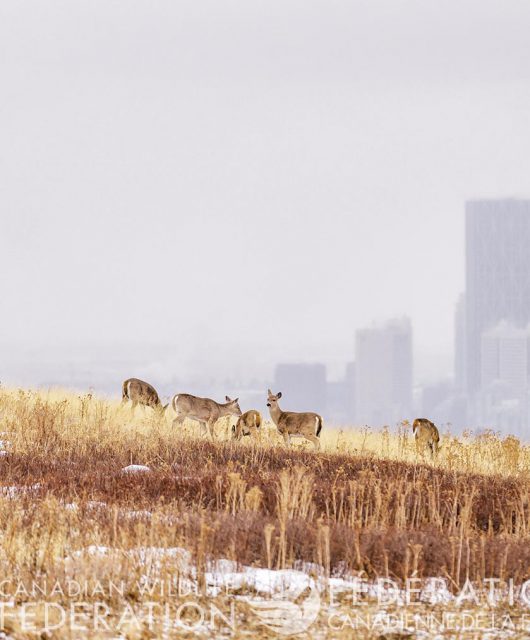
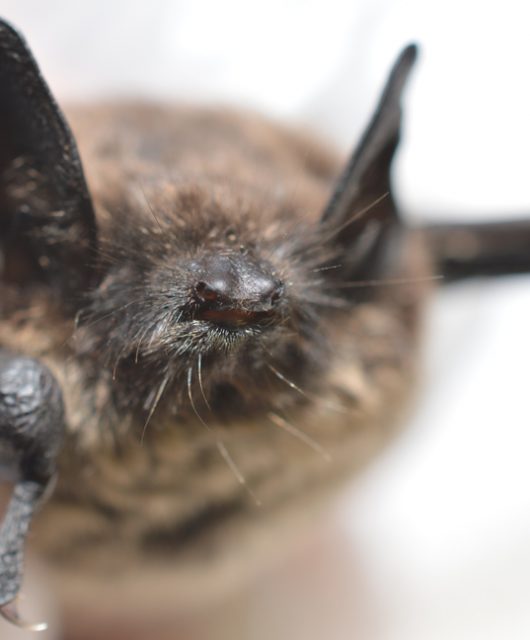
This time, we’re focusing on those that stay put. There are many remarkable ways animals adapt to survive the winter months. From growing thicker fur and changing colours, to shifting diets, forming winter groups, or developing clever strategies to stay warm, wildlife across Canada shows incredible resilience. This month, we’ll explore these adaptations and encourage you to head outdoors to observe and enjoy winter firsthand.
Teaching Resources
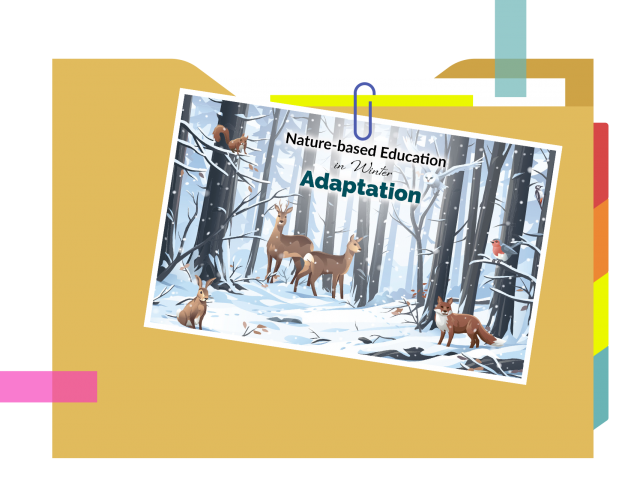
- Hinterland Who’s Who – There are many ways to adapt to the cool air and heavy snow of winter. Check out how Arctic Foxes, Caribou, martens, and wolves adapt in winter.
- Embrace the Chill webinar – Find out what wildlife does when the temperature drops.
- Dress Like a Polar Bear – Learn to adapt and layer like a Polar Bear and its three “coats”.
- Indigenous games – Watch Dickie Yzicapi in these fun Indigenous storytelling videos about Indigenous winter sports. Video 1, Video 2
- See who else is Wild About Winter and how they adapt to environmental change by downloading this poster.
WILD Education Workshops
CWF’s Below Zero workshop is a dynamic training opportunity for educators looking to bring the magic of winter into their teaching. Rooted in Canada’s rich seasonal heritage, this program explores how wildlife and people adapt to cold temperatures. Through hands-on activities and outdoor learning strategies, Below Zero equips teachers with tools to connect students to nature even when the thermometer drops.
Below Zero:
- Ready, Set, Snow! (pg. 89) – Discuss the different ways that people and wildlife adapt to winter.
- Whine and Dine (pg. 73) – In this active outdoor game, students learn about the importance of cooperation as they adapt to different types of snow.
- Winter Survival (pg. 33) – Play a warm game of tag to better understand what wildlife needs to survive in winter.
Want your own Below Zero handbook? Sign up for a Below Zero workshop today!
Student Action Projects

Turn your curiosity into meaningful action. Head outdoors, observe and take action to support the species that stay active all season long.
- Put Up Nesting Shelves – Make a cozy home for your bird friends.
- Photos help science! Join the iNaturalist Winter Photo Challenge, learn about winter bird counts, or follow some animal tracks.
- Celebrate World Environmental Education Day – On January 26, 2026, gather some friends and celebrate this global event that encourages everyone to explore the environment, understand its challenges, and discover ways to protect it.
- Bird Banquets – Do this fun experiment to discover the favourite food of the birds in your area.
For more educational resources, sign up for our WILD Spaces newsletter with a focus on pollinator gardens.

Meagan Potter
Meagan is the program administrator for formal education at the Canadian Wildlife Federation. She has worked with WILD Spaces, WILD Generations, WILD Education, and the Gardening for Wildlife programs. When she's not at CWF, you'll find her working part-time at an emergency veterinary clinic or offering dog training lessons through her small business.