Gardening can be a fun and fulfilling way to help wildlife — but beware of the floral showstoppers.
The more lush and colourful cultivars and hybrids of popular plants may be double trouble for pollinators like native bees. Here are two reasons why they can be problematic for these important insects.
1. Petal Pushers
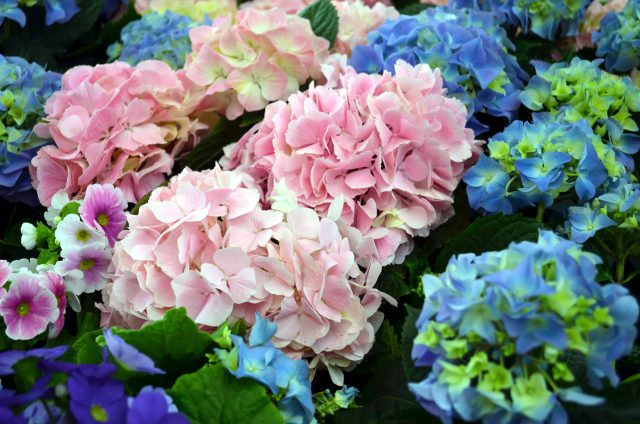
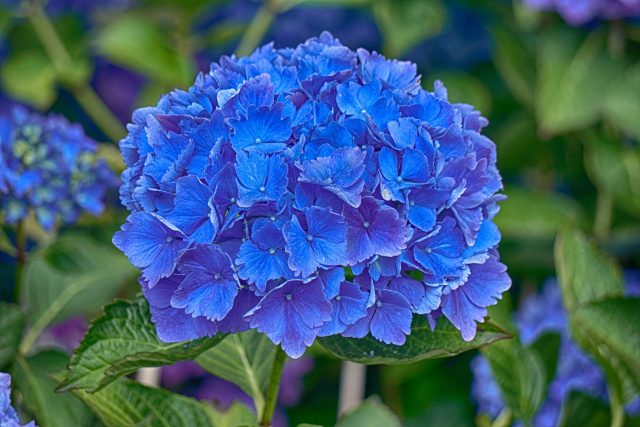
For some plants, what we often think of as a single flower, is actually a flower head composed of numerous small flowers. Examples of these composite flowers include sunflowers and asters. While the outer flowers have a showy petal attached, most of the flowers are inconspicuous. Some plants, however, have been bred to replace the tiny flowers with showy structures, resulting in a fuller-looking flower, with multiple layers of petals, as with ‘mophead’ hydrangeas. The trouble with pleasing the human eye at the expense of fertile flowers is food production, as these flowers produce little or no nectar or pollen. Even with flowers that are not completely sterile, pollinators can spend more energy accessing food as each flower head has less nectar and/or pollen and more petals to get around.
2. Colour Confusion
Bees use ultraviolet (UV) light to navigate and forage as this light reflects information on the flower, guiding them to the flower’s nectar and pollen. As colours are modified, so too is the ability of bees to receive cues from the flower, impacting the foraging behaviour of these pollinators.
Thankfully, we can make a “bee-line” back to the native flowers these pollinators love.
3. Bee Strong

Did you know that Canada has more than 900 species of native bees? Bumble bees are perhaps the best known for their pudgy and fuzzy bodies while other bees can be smaller and bright metallic green, black-blue or even just a few millimeters long, fooling many of us into thinking they are a fly! We can help them by providing a continuous supply of food so that no matter when they are active in the spring, summer or fall, they don’t have to expend unnecessary energy searching for food.
Regionally native plant species are best, where possible, as these plants have coevolved with bees and other wildlife to provide their perfect food at the perfect time and their flower shape is also suited to the pollinator’s body size and structure. Ensure you have blooming plants from early spring through to late fall. Some bees are generalists and will visit many different plant species while others are specialists. There are variations as some bees only visit goldenrods, for example, while others may visit plants in a few genera (broad category for closely related species, such as “asters”). You can help attract pollinators to your garden by planting the flowers that they like close together. These are called drifts. Native plants with single blooms will likely provide four times the benefit of exotic plants, and you can fill your garden with different varieties of native plants that bloom at different times to add interest and texture.
Eight species of bumble bee are listed as species at risk in Canada, along with one species of sweat bee. The primary reasons for bee decline are habitat loss, climate change, pesticide use and competition with non-native species. Like many other wild bees, bumble bees prefer to nest in the ground or in crevices and piles of debris. Some solitary bees, however, nest in stems. You can help them by leaving plant stems in the winter (which also provides seeds for birds) and snipping the stalk to perhaps 30 to 60 centimetres at the end of winter or very early spring. This timing helps some bee species when looking for suitable nesting sites of hollow or soft pithy stems. These stems are also where the bees will lays eggs and provide them with pollen. The stems will seal off the nest, creating a space for the next generation of bees to hatch during the growing season. If concerned about the look, perhaps do this for plants that are at the back of beds or in a corner of your yard. New plant growth will soon hide the stems while the solitary bees within are safe to emerge.
4. Bee Aware
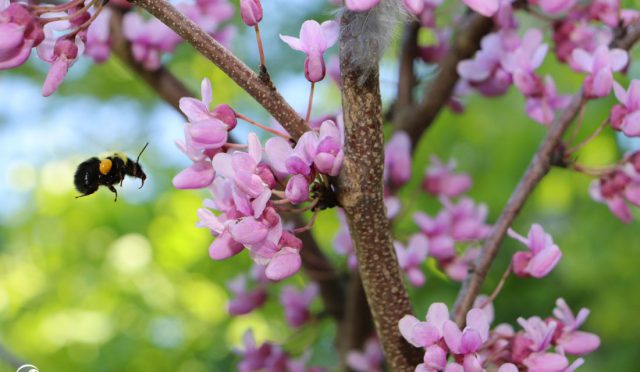
Contrary to popular beliefs, Honey Bees are not native to Canada. They were brought here from other countries and may visit your flower garden and compete with wild bees for food. Both Honey Bees and bumble bee species are social and have a nest to protect (with Honey Bees, we refer to that as a hive). But if you move slowly and gently in the area of the nest, the bees are less likely to see you as a threat and feel the need to defend their nest. This is especially true with bumble bees which can nest in existing holes that provide some protection from the elements and predators – from old rodent burrows and dense plant debris to crevices in logs or even old bird houses.
Also note, bumblebees will not reuse the same spot year after year, so if you can avoid a nest one year, you’ll be able to get back to it the year after. Most solitary bees do not sting or if they do, it is usually very weak and not the same concern as a social bee. If you aren’t sure what kinds of bees are in your area, try to get photos and post them to iNaturalist.ca for proper identification.
5. Bee Helpful
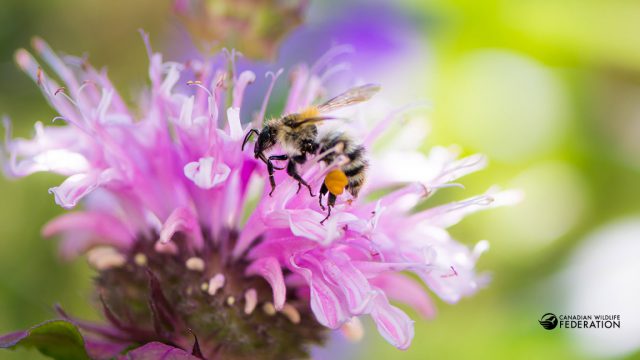
The more you can do to help native bees, the better, so instead of filling your garden with new varieties of show-stopping flowers, give some thought to the beauty of the true native species. Some are just as showy and colourful as ornamental plants and provide the best habitat for productive pollinators. There are a lot of options, from Wild Bergamont, Liatris, lilies, columbines to goldenrods and asters. Depending where you live in Canada, you can give wild bees and other pollinators a boost by focusing on regionally native plants.
To learn more visit GardeningForWildlife.ca

CWF-FCF
Our mission is to conserve and inspire the conservation of Canada’s wildlife and habitats for the use and enjoyment of all.