The start of spring in the northern hemisphere often brings thoughts of summer — and with it, wildfire season.
Wildfires can cause significant damage to communities and ecosystems. Yet, fire itself is not always bad. In fact, when used intentionally and carefully, fire can be a powerful tool for maintaining healthy landscapes. This is sometimes referred to as “good fire,” or more formally, prescribed fire.
In ecology, fire is termed a disturbance. This recognizes that fire alters the environment by removing vegetation and changing soil or habitat conditions. Disturbances are not inherently negative — many ecosystems across Canada have evolved with fire as a natural and necessary process. Fire is expected in most terrestrial Canadian ecosystems at some point — with the exception of aquatic systems. How often fire occurs depends on several factors:
- The amount of flammable fuel present
- Weather conditions (including temperature and humidity)
- Ignition sources like lightning or human activity
Reintroducing Fire When Needed
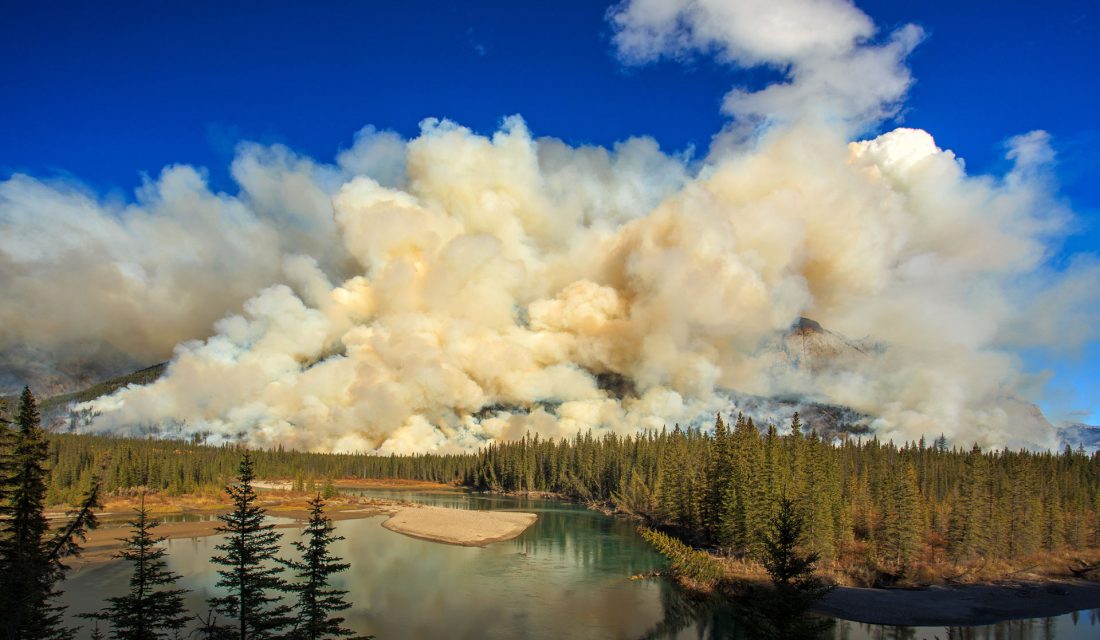
In cases where natural fire no longer occurs at appropriate intervals, prescribed fire can be used to safely reintroduce this process. Prescribed fires are carefully planned and carried out under a specific set of conditions that allow fire to burn in a controlled and beneficial way. These conditions include suitable weather, appropriate topography, trained staff and the proper equipment.
Consider a grassland where grazing is limited and dried grasses accumulate over time. Without disturbance, these fuels build up, increasing wildfire risk and reducing habitat quality. A prescribed fire can safely remove this excess fuel, restoring balance to the system and reducing the likelihood of more intense, uncontrolled fires in the future. A good example of this is the Prescribed Fire in Waterton National Park.
The results of a prescribed fire are often described using words like regeneration or restoration. Dead plant material is removed and the remaining plants gain improved access to sunlight, nutrients and space. Seeds stored in the soil— sometimes for many years — can be stimulated to germinate. Once vegetation starts to grow, wildlife are naturally attracted to this new, nutritious growth.
Prescribed fire also helps reduce invasive species and limits the spread of unwanted woody plants, such as shrubs and trees, that are not suited to grassland ecosystems. Species at risk that rely on open habitats may gain more space to grow and a competitive advantage under these renewed conditions.
Other Benefits of Prescribed Fire
Reduced risk
Prescribed fire is also used to reduce wildfire risk, particularly in areas close to homes or infrastructure. By lowering fuel loads in a controlled manner, prescribed fire can limit the intensity and spread of future wildfires. In forested areas with heavy ground vegetation, fire can move from the forest floor into tree canopies, creating dangerous, high‑intensity fires that pose significant risks to firefighters and the public.
Restoration and land management
Prescribed fire is an effective tool for site preparation and habitat maintenance. It can remove unwanted vegetation to improve seed‑to‑soil contact before planting. In meadows dominated by tall, aggressive grasses, a fall or spring burn can set back dominant growth and allow shorter, less competitive species to grow well again. Prescribed fire is also used by seed producers to stimulate seed production in certain species, such as big bluestem, which responds positively to burning.
Cultural fire
For many Indigenous Nations, fire has long been used as a cultural and land stewardship practice, supporting food systems, biodiversity, and community well‑being. These practices were disrupted and prohibited through colonial policies, leading to profound impacts on Indigenous communities and the land itself. Today, the renewed use of cultural and prescribed fire—when led by Indigenous knowledge holders or carried out in respectful partnership—can support both ecological restoration and the revitalization of cultural practices.
To learn more about prescribed fire visit the website rxfire.cae.
Prescribed Fire Training
The successful use of prescribed fire depends on having properly trained and equipped crews on site. Each individual involved has a defined role and works within a clear chain of command, with strong communication maintained throughout the burn.
One way this training is achieved is through Prescribed Fire Training Exchanges (TREX). These events provide opportunities for fire practitioners from a range of backgrounds to gain hands‑on experience under the guidance of experienced fire managers. This is a great way to undertake “good prescribed fire” in a number of regional area to meet land management goals.
My colleague, Vicky Papuga, participated in a TREX event where she gained practical experience supporting prescribed fire operations while working alongside fire professionals from across the region.
Stay tuned for a blog on her experience with a TREX.
Not all fire is bad, some can be “good fire” for ecosystems, wildlife and people.

Tracey Etwell
Tracey Etwell, M.Sc, CERP, is a Restoration Ecologist with the Canadian Wildlife Federation. She supports the Rights of Way program helping restore pollinator meadows for Monarch Butterfly and other pollinators in eastern Ontario.