Magic is often described as the impossible made real.
If that’s true, then nature may be the greatest magician of all. As adults, we’re taught to stop believing in magic. But perhaps that’s only because we’ve forgotten to look closely at nature, where the extraordinary hides in plain sight. The world tells us that magic isn’t real. Nature gently disagrees.
We live on a planet where trees share resources through fungal highways. Where beavers build wetlands visible from space. Where birds remember thousands of hidden seeds. Where butterflies navigate across a continent they have never seen before. Where whales feed together with curtains of bubbles. Where tiny frogs survive winter by freezing almost solid. Where forests rise again from underground roots after fire. And where every species – from the smallest moss to the largest whale – helps write the story of the living landscapes in Canada.
If that isn’t magical, then I’m not sure what is.
Just consider some of these other magical things that happen in nature without any help from the planet’s most powerful species: humans.
1. Trembling Aspen (Populus tremuloides)
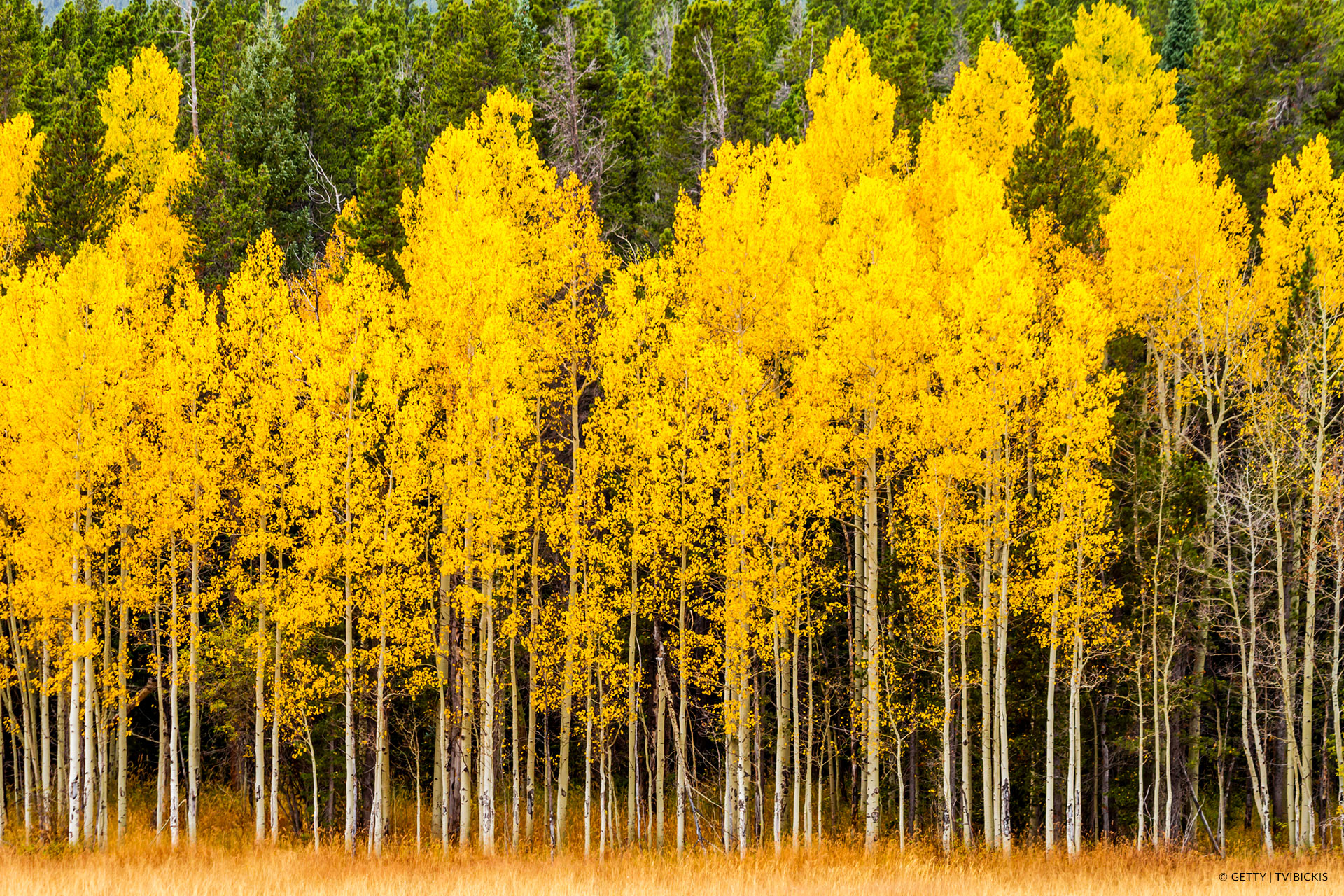
🌳 The world’s largest living organism lives in a forest.
What looks like thousands of separate trees are, in fact, many clones of the same individual connected by an underground root system. Aspen can survive for thousands of years, continually producing new stems after fire or disturbance.
Amazing fact: An aspen forest can literally regenerate itself after a wildfire by sending up thousands of new shoots from living roots.
2. Grey Wolf (Canis lupus)

🐺 Wolves help shape entire ecosystems.
When wolves return to an area, they don’t simply hunt prey—they change how deer, elk and moose move across the landscape. This allows young trees and shrubs to recover, benefiting songbirds, beavers and countless other species.
Amazing fact: One predator can influence the health of an entire forest.
3. Beaver (Castor canadensis)

🦫 Canada’s national animal engineers landscapes from scratch.
A single beaver family can transform a rushing stream into ponds and wetlands that support fish, amphibians, waterfowl, turtles, dragonflies and mammals.
Amazing fact: Beaver wetlands store water during droughts, reduce flooding and naturally filter pollutants.
4. Black-capped Chickadee (Poecile atricapillus)
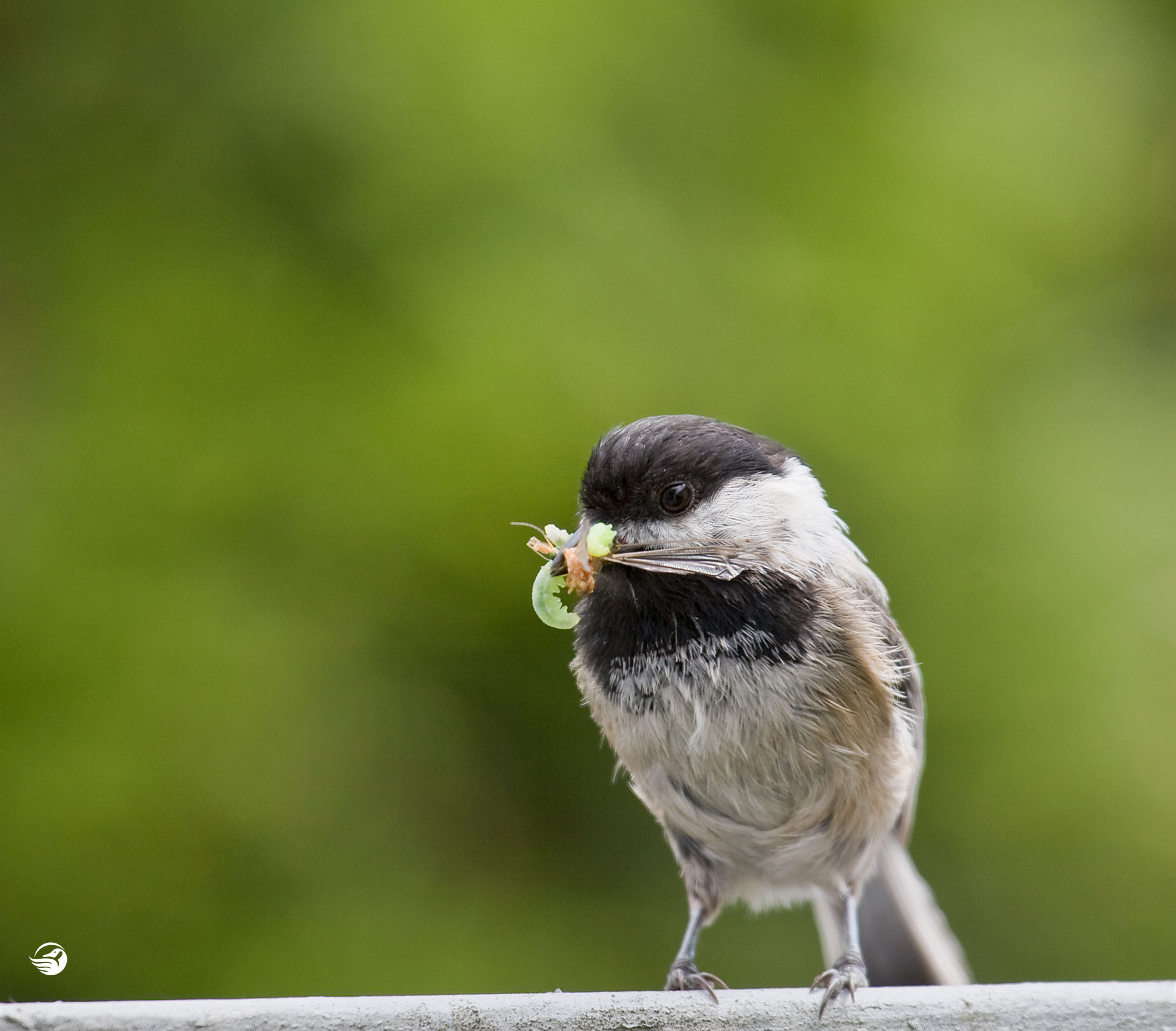 🐤 A tiny bird with a remarkable memory.
A chickadee may hide tens of thousands of seeds each autumn.
Amazing fact: Despite having a brain about the size of a pea, it remembers where thousands of those seeds are hidden months later.
5. Boreal Forest Mosses
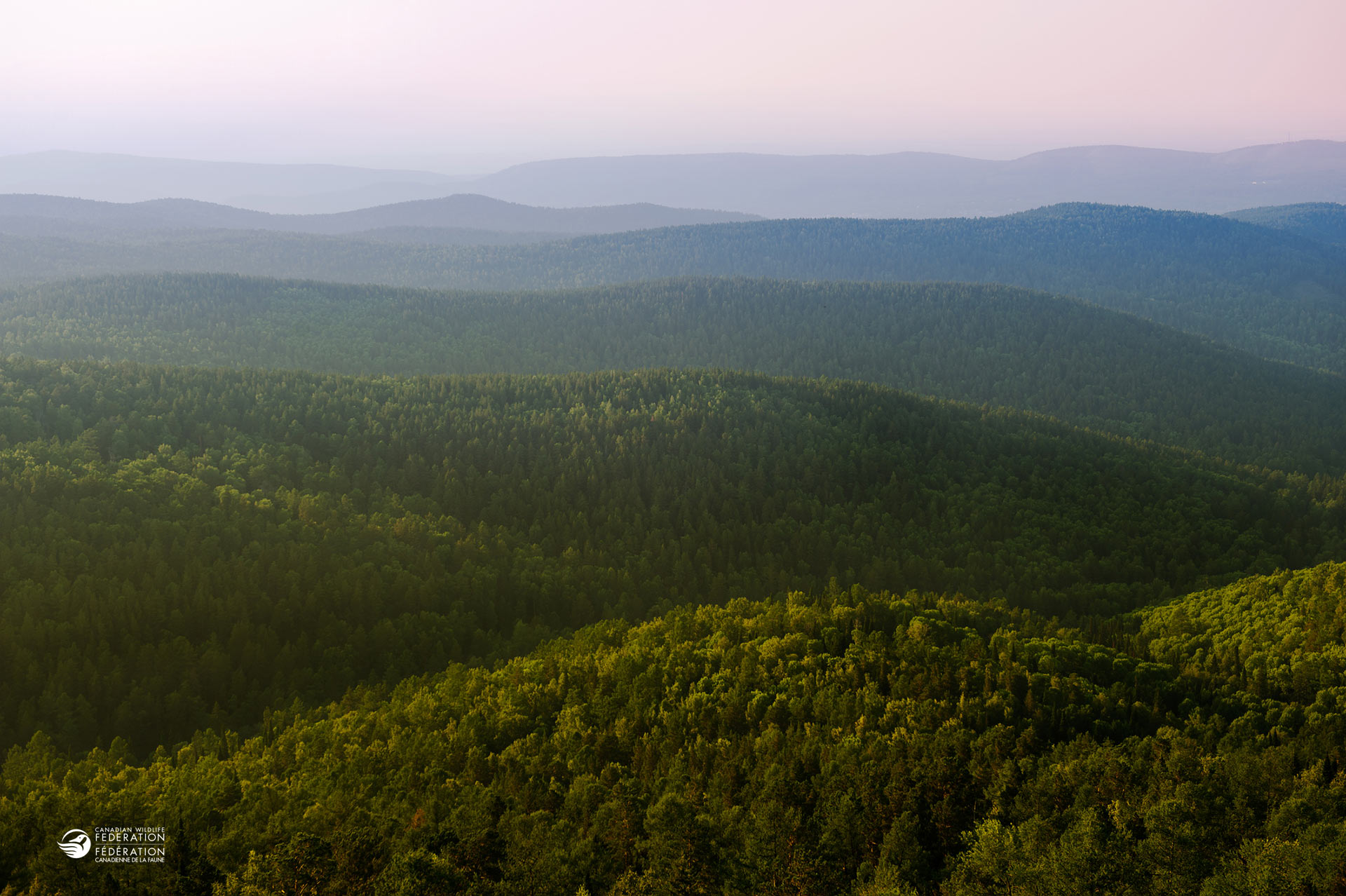
🌿 Tiny plants regulate a global climate.
Boreal mosses in Canada capture enormous amounts of carbon while insulating frozen ground.
Amazing fact: Boreal peatlands in Canada store more carbon than is currently found in all the forests in the world combined.
6. Boreal Chorus Frog (Pseudacris maculata)
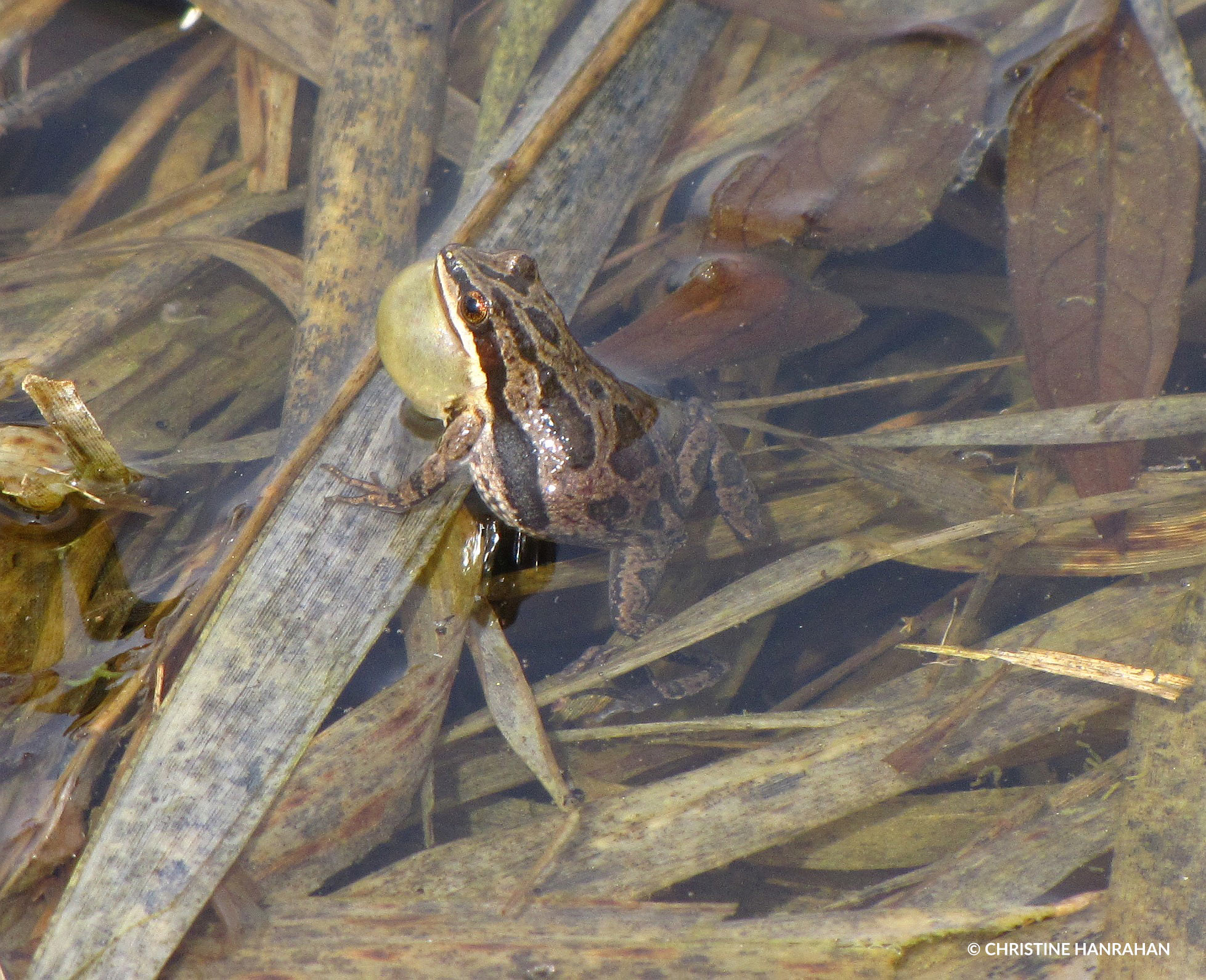
🐸 They survive being frozen.
During winter, much of their body freezes solid.
Amazing fact: Natural sugars in their tissues act like antifreeze and as long as a small drop of their blood remains liquid, their hearts can stop beating until spring, when they thaw and resume normal life.
There are countless other species making magical things happen in nature every day, which is why the Canadian Wildlife Federation’s Great Canadian Bioblitz is such an important event on the CWF calendar. The CWF Great Canadian Bioblitz gives everyday Canadians from coast to coast to coast the opportunity to take inventory of the wild species of flora and fauna that define Canada. Using a mobile device or camera, you can connect with nature near you, make observations or sound recordings of all the species you can find, upload them into your free iNaturalist account and contribute to an active scientific database of biodiversity. Scientists can’t be everywhere, so your efforts help support important conservation work across the country.
This year’s CWF Great Canadian Bioblitz happens September 18 through 27, 2026. Why not contribute a little magic of your own. Step outside into nature and contribute your observations. Help us reach over 100,000 observations this year.
For more information about the CWF Great Canadian Bioblitz visit the iNaturalist program on CanadianWildlifeFederation.ca

David DeRocco
David DeRocco is a former journalist and author of 14 educational books including the ESL titles Canada: Eh to Zed, America On Edge, and From Sea to Sea to Sea: A Newcomer’s Guide to Canada. He currently serves as CWF’s Senior Manager of Marketing and Events.