Just joining in now? Check out the first blog in this journey: Connect and Learn
Plant Recipients Have Been Chosen!
Thank you to every school that applied for free native pollinator plants and submitted their garden project! Our 2026 plant recipients have now been selected.
- If your school was chosen, you will have already received a separate e-mail with the next steps.
- Schools that requested plants but were not selected will receive a small package by mail to the address submitted on the application. (Packages are reserved for schools—not groups or individuals.)
Didn’t Get Plants? You Can Still Plant a Garden!
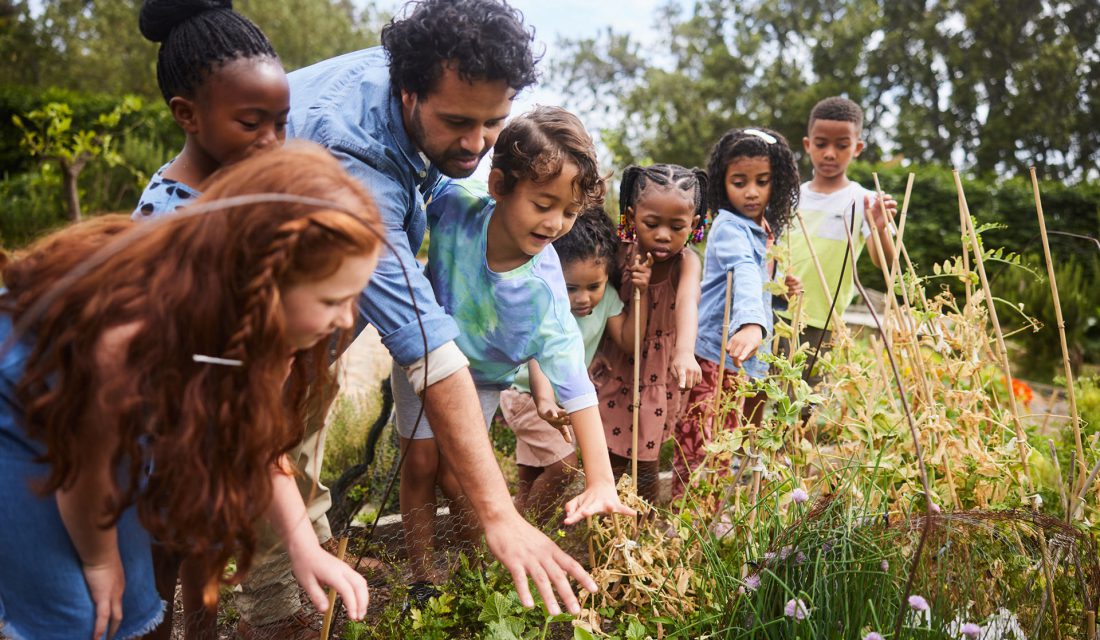
There are many ways to create a thriving pollinator garden this spring:
- Find Native Plants Locally — Use the CWF Gardening for Wildlife hub to locate a Native Plant Supplier near you.
- Try Low/No‑Cost Habitat Wins — Add value now with brush or rock piles, leaf‑litter corners, or hollow stems left standing.
- Use Other Forms of Support — Many organizations in Canada offer grants, small funding streams, or education to support outdoor learning, greening projects, or habitat creation. Here are some that schools frequently succeed with:
- Local community foundations
- Local plant nurseries
- Local horticultural societies
- Municipal environmental grants
- Provincial electric utility community grants (e.g. Hydro/Fortis local programs/)
- TD Friends of the Environment Foundation (TDFEF)
- WWF Go Wild Grants (when available)
- School district innovation or environmental stewardship funds
- Parent council fundraising
You can combine even small grants to cover expenses like soil, mulch, pollinator plants, tools, signage, and student materials.
Classroom‑ready Resources (CWF Learning Library)
- A Bird‑Friendly Garden (activity/colouring) — introduces habitat needs and observation skills for younger learners
- How to Start a Garden — practical tips for sequencing your project (site, soil, layout, maintenance)
- Helping Pollinators in Your Garden — quick wins students can add to their garden
After You Plant: Get Certified (Free Sign for Schools!)
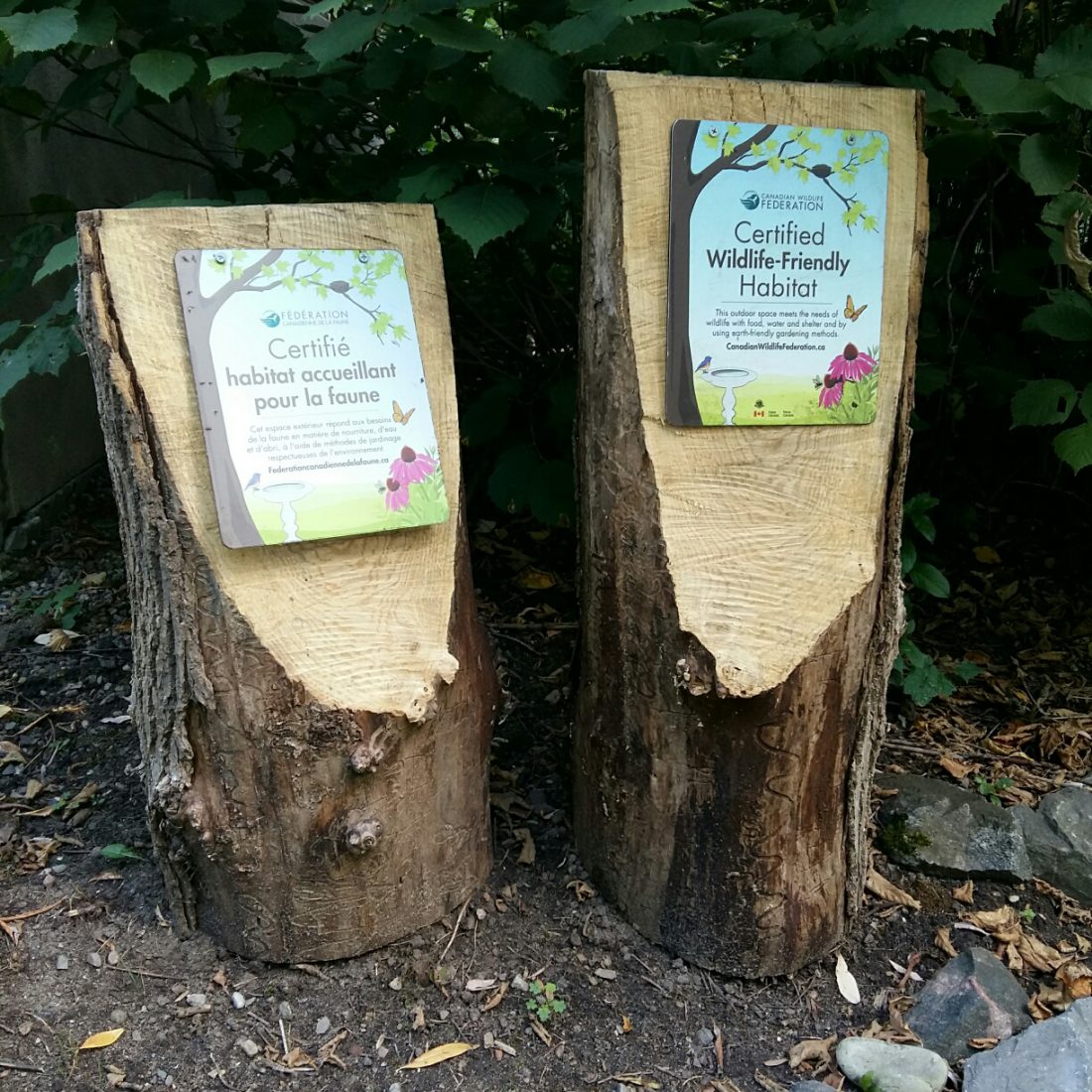
Once your garden is established, apply to certify your garden as a “Wildlife‑friendly Habitat.” Certification recognizes gardens that provide food, water, shelter and are cared for in earth‑friendly ways, and it’s a great way to celebrate student stewardship.
Bonus for schools: When your school garden is certified, you’ll receive a free sign to showcase your achievement and inspire your community!
April Events to Inspire Your Students
- National Wildlife Week — Check out our week of webinars
- City Nature Challenge: April 24–27, 2026 (use iNaturalist)
Thanks For Growing With Us!
Whether your school received plants or not, your efforts are creating real habitat and rich outdoor learning. Every native plant, water dish, log pile, and student observation helps local biodiversity.
If you discovered this blog on our website, be sure to sign up for the WILD Spaces e‑blast. You’ll receive monthly updates, next‑step reminders, and resources featuring each month’s highlighted pollinator—everything you need to stay inspired and keep your garden growing strong!

Meagan Potter
Meagan is the program administrator for formal education at the Canadian Wildlife Federation. She has worked with WILD Spaces, WILD Generations, WILD Education, and the Gardening for Wildlife programs. When she's not at CWF, you'll find her working part-time at an emergency veterinary clinic or offering dog training lessons through her small business.