Every wildlife‑friendly space needs food, water, shelter and earth-friendly gardening practices (no pesticide use).
Now that you’ve connected with your outdoor space and started planning your native plant garden, it’s time to focus on two essential habitat elements that help wildlife thrive: water and shelter. This month, let’s build on the foundations you’ve already created.
Provide Water in Your WILD Space
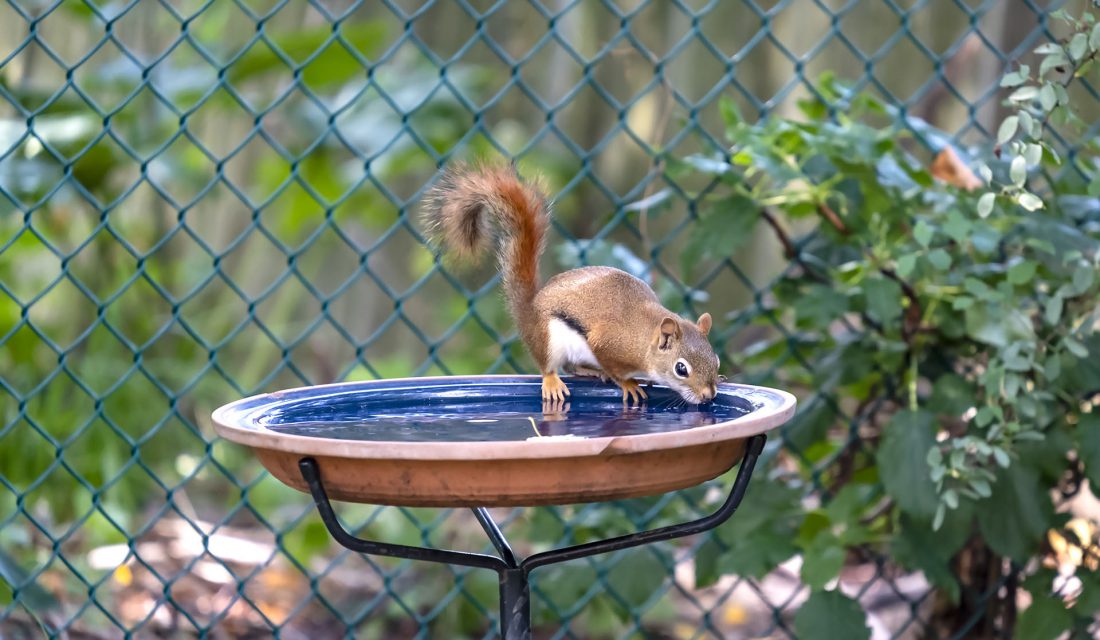
Water is one of the most important components of any wildlife‑friendly garden. It’s needed for drinking, bathing, cooling down and staying healthy. Even simple water features can make your WILD Space more welcoming to wildlife. Remember to refresh water every few days and keep containers clean to prevent bacteria and mosquito larvae.
Ways to Provide Water in Your WILD Space
 ✔ Water sources that you can purchase or make
- Birdbath — A birdbath in a shaded spot helps wildlife drink and bathe while keeping water cooler for longer.
- Shallow dish with perching stones— Ground‑level dishes support birds and insects. Add a few stones or gravel for safe footing.
- Butterfly puddling dish/area — A shallow dish with moist sand, compost or soil gives butterflies access to water and minerals.
- Small pond — A simple pond supports amphibians, insects and other wildlife. Ensure edges are sloped or provide stones or logs so animals can climb out easily.
- Recirculating stream or mini‑waterfall — Running water adds sound and movement that attracts wildlife and can support a wider range of species.
✔ Natural water sources
- Water garden — A planted area designed to hold or manage water, similar to natural pond edges.
- Rain garden — A shallow, vegetated basin that collects and filters rainwater runoff.
- Stream / Spring / River / Lake — Flowing or standing natural waters provide habitat for amphibians, insects, and many species of birds.
- Wetland / Seasonal pool — Temporary or permanent shallow wetlands support amphibians, insects, and migrating wildlife.
✔ Creative and Low-Cost Water Ideas
- Upcycled container dishes — Old lids or trays can become shallow water sources.
- Rock with a natural depression — A flat stone with a dip can hold small amounts of water after rain, similar to natural puddles.
- Clay pot saucers — Saucers make excellent shallow basins for insects and birds.
Provide Shelter in Your WILD Space
Shelter is just as important as water. Wildlife needs places to stay warm in winter, cool in summer, hide from predators, and nest or rest throughout the year. Below is a wide range of shelter features your schoolyard can incorporate.
Ways to Provide Wildlife-Friendly Shelter in Your WILD Space
✔ Vegetation-Based Shelter
- Potted plants — These are great for schools with limited digging space.
- Ground cover — Ground cover provides cool, moist hiding places for insects and amphibians.
- Leaf litter — A critical microhabitat for insects, leaf litter also supports soil health.
- Dense area of native grasses/perennials — Clusters of perennials, ferns, and grasses give small creatures places to hide.
- Vines — Climbing plants create vertical habitat and nesting cover.
- Meadow/prairie plantings — Tall grasses and wildflowers offer shelter and food.
- Host plants for caterpillars — These plants are essential for butterfly life cycles.
- Hollow plant stems — These offer nesting habitat for native bees.
- Evergreen trees/shrubs — Trees and Shrubs provide year‑round cover from weather.
- Deciduous trees/shrubs — These create layered habitat for birds and insects.
✔ Structural Natural Shelter
- Rock pile — This feature creates cool, shaded micro‑habitats for insects and amphibians.
- Brush pile / Log pile — Piles offer excellent shelter for insects, amphibians and small mammals.
- Open sunny ground for solitary bees — Many solitary native bees tunnel into bare soil, making ground beneficial.
- Burrow — Natural underground hideaways used by small mammals and amphibians for shelter and safety.
✔ Human-Made Shelter Structures
- Bug hotel — This structure supports solitary bees and beneficial insects.
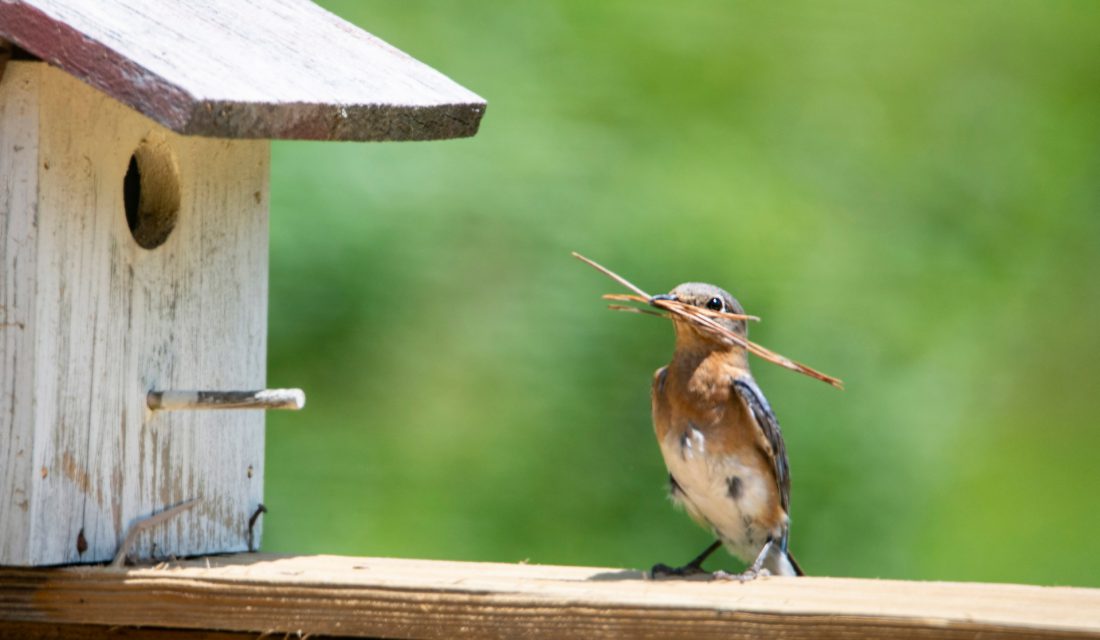
- Bird nesting/roosting box — These boxes can be created at home, or you can opt to provide the material for the birds to make their own.
- Bat house — These houses provide summer roosting habitat for bats—here’s a video tutorial.
- Toad abode — These homes give toads a place to rest and eat.
- Snag (standing dead tree) — Snags supports cavity‑nesting birds and insects (when safe to maintain on site).
A Note on Maintenance
Remember: Keeping your garden free of pesticides ensures these shelter areas remain safe for wildlife and the insects many animals depend on for food.
It’s Not Too Late to Request FREE Native Plants!
There’s still time to apply for a chance to receive free native pollinator plants through the WILD Spaces program.
Thanks for Growing With Us!
Your efforts are making a real difference for local biodiversity. By offering water and shelter, you’re helping your WILD Space become a living, thriving habitat — and a powerful learning environment.
Let us know how your garden is evolving — we love seeing photos and stories from your schoolyard!
If you discovered this blog on our website, be sure to sign up for the WILD Spaces e‑blast. You’ll receive monthly updates, next‑step reminders, and resources featuring each month’s highlighted pollinator — everything you need to stay inspired and keep your garden growing strong!

Meagan Potter
Meagan is the program administrator for formal education at the Canadian Wildlife Federation. She has worked with WILD Spaces, WILD Generations, WILD Education, and the Gardening for Wildlife programs. When she's not at CWF, you'll find her working part-time at an emergency veterinary clinic or offering dog training lessons through her small business.