Let’s protect our most at-risk species this February.
Whether it’s spending long days hiking steep mountain trails in search of the elusive Vancouver Island Marmot or walking windy beaches to spot the egg cases of the Winter Skate, community naturalists and scientists across Canada put an incredible amount of heart and effort into understanding and protecting our most at‑risk species. Their work, often quiet, patient and persistent, helps us see the bigger picture of how wildlife is changing and what we can do to help.
February 7, 2026 is Reverse the Red Day, a moment for the global community to pause and celebrate conservation efforts happening around the world. At its core, Reverse the Red is a movement focused on hope, uniting countries, organizations and individuals behind a shared mission to stop the decline of biodiversity and help species recover. The name comes from the International Union for Conservation of Nature’s (IUCN) famous Red List, a global assessment that identifies species at risk of extinction. By “reversing the red,” the goal is to move species out of threatened categories and back toward recovery.
National Work Contributes Internationally
In Canada, we often hear about species designated by the Committee on the Status of Endangered Wildlife in Canada (COSEWIC). While both COSEWIC and the IUCN are working toward the same broad goal of protecting biodiversity, they operate at different scales. The IUCN evaluates species globally, whereas COSEWIC focuses specifically on wildlife within Canada. Still, these systems connect: COSEWIC uses criteria based on IUCN standards to help guide its own assessments. Together, they contribute to a larger conservation framework that not only identifies species at risk, but also supports the policies and actions needed to protect them.
And the need is great.
Canada has more than 800 species currently considered at risk. It’s a number that can feel overwhelming, but it’s also a reminder of just how important every observation, every data point, and every set of eyes on the landscape can be. Researchers can’t be everywhere at once. That’s where community science becomes essential.
You’ve Got the Tools, You’ve Got the Talent
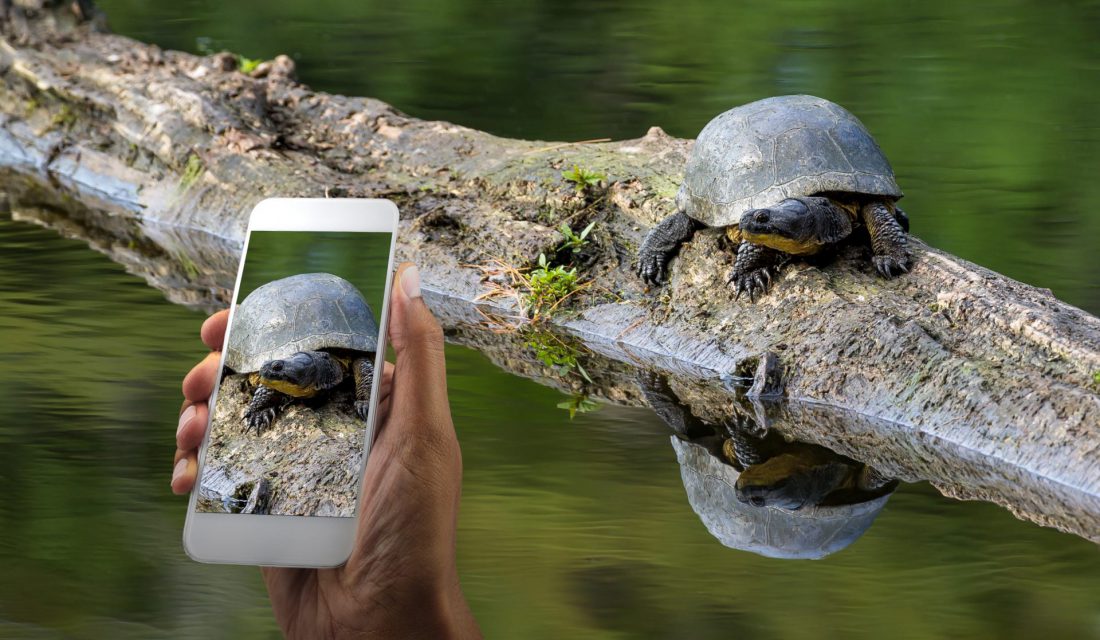
iNaturalist Canada is one of the most powerful tools supporting this effort. Anyone with a phone or camera can contribute meaningful data simply by recording a sound or taking a picture of a plant, animal, or fungus and uploading it.
For rare and endangered species, even a single observation can help fill major information gaps, telling scientists and decision makers where a species still occurs, critical habitat that needs protecting, how populations might be shifting, or where conservation action is needed most. For species so uncommon that only a handful of records exist, these contributions can be game‑changing.
Connection Grows Conservation
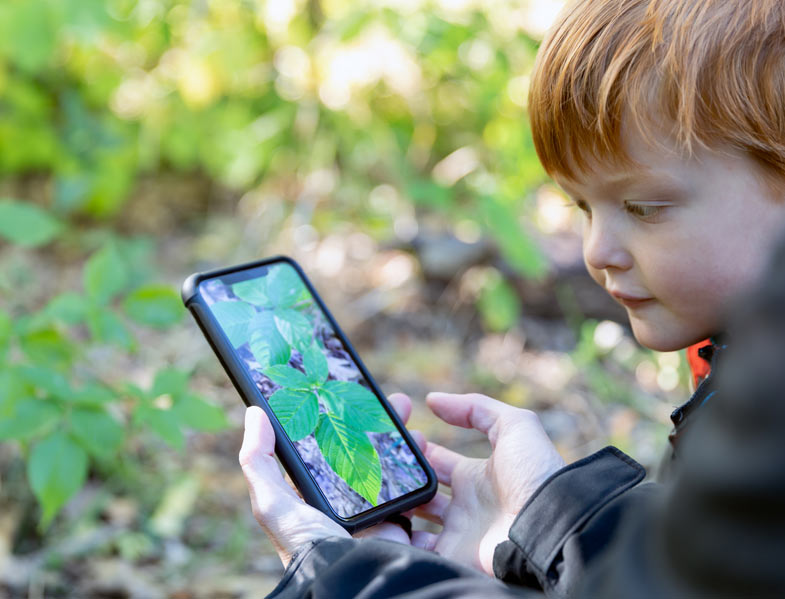
But iNaturalist isn’t just about data collection. It’s also a way for people to connect with the biodiversity around them; to learn the names of the species living in their neighbourhoods, discover which ones are at risk, and understand how their observations fit into a much bigger story. Awareness is one of our strongest tools in conservation, and iNaturalist Canada helps make it accessible to everyone.
This Reverse the Red Day, we celebrate not only the scientists and conservation organizations leading recovery efforts, but also the hundreds of thousands of everyday naturalists helping to conserve species simply by paying attention. Together, we really can reverse the trend.
Lear more about how the Canadian Wildlife Federation and COSEWIC are using iNaturalist to conserve and assess species at risk in Canada with the iNaturalist project.

Samuelle Simard-Provençal
Samuelle is a wildlife ecologist with a passion for science communication, and a love for all that nature has to offer. She is CWF's iNaturalist Coordinator, assisting with the development, management, and promotion of the community science app and website. Samuelle creates and delivers engaging content, events, and initiatives aimed at promoting the iNaturalist.ca platform. When not in the office, you can find Sam watching birds, exploring tidepools, or creating embroidered art of her favourite species.