
Search Results for
AG
CWF’s Marine Work Forwards International Research
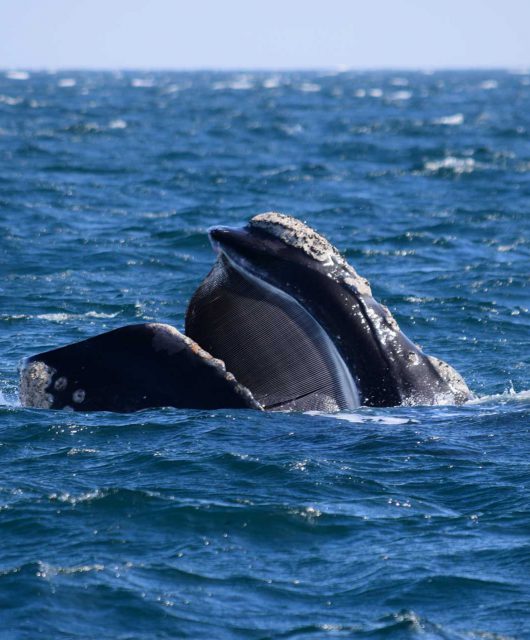
This summer, I had the opportunity to conduct research with the Canadian Wildlife Federation’s marine conservation science team for my Master’s project. The focus of my research was on North…

Meet the Photographers Behind the Wildlife Calendar
A picture is worth a thousand words. Every photograph in the Canadian Wildlife Federation’s Wildlife Calendar tells a story, capturing the beauty, diversity, and wonder of wildlife and wild spaces…
How to Be a Bat-friendly Community
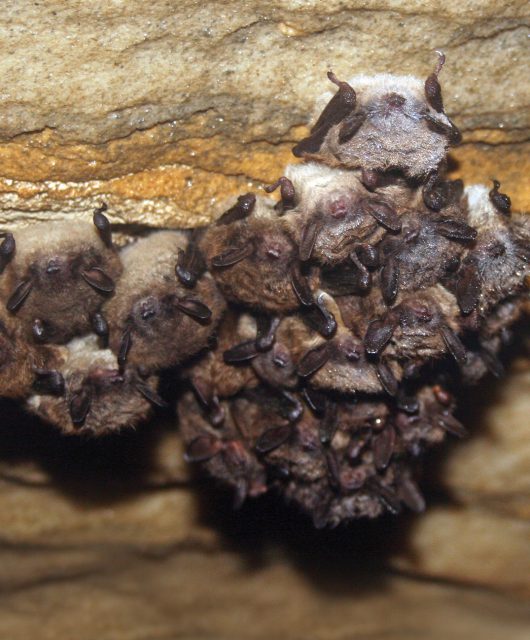
By Emily Becker, CWF Bat Research Technician Strengthening not only bat populations, but the communities who commit to conserving them as well. Traditionally when people reference community, they are referring…

Top Tips for Exploring Naturally
CWF and Environment and Climate Change Canada’s program Hinterland Who’s Who travels all over the country to get footage of a wide array of flora and fauna species. I have…

Uncovering the Secrets of BC’s Fungal Diversity
Across the world, fungi are finally getting the attention they deserve. From seasoned mycologists (people who study mushrooms and other fungi) to curious naturalists and everyone in between, fungi are…

WILD Spaces: Connect
Welcome to a new year of WILD Spaces! This year, our theme is Action. Throughout the school year, we’ll explore ways students can make a difference for wildlife and their…
WILD Education | Connect with nature through conservation actions!
Connect with Nature through Conservation Actions Welcome back to a new school year! This year, we’re focusing on connecting to nature through conservation actions — empowering students to explore, care…

The Secret Life of Fungi
How They Feed, Heal and Restore our World Most folks know fungi only as fuzzy organisms that grow on forgotten food in your refrigerator. But the fungal kingdom is vaster…
Six Wondrous Things About Nature
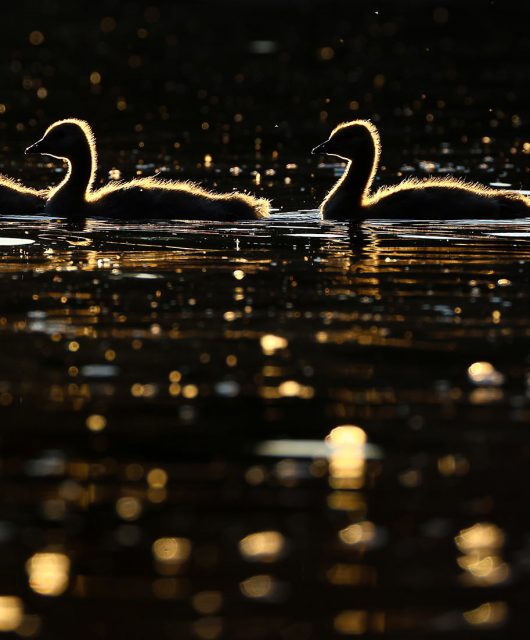
Magic is often described as the impossible made real. If that’s true, then nature may be the greatest magician of all. As adults, we’re taught to stop believing in magic.…
Explore, Observe and Win with the Canadian Grasslands Project
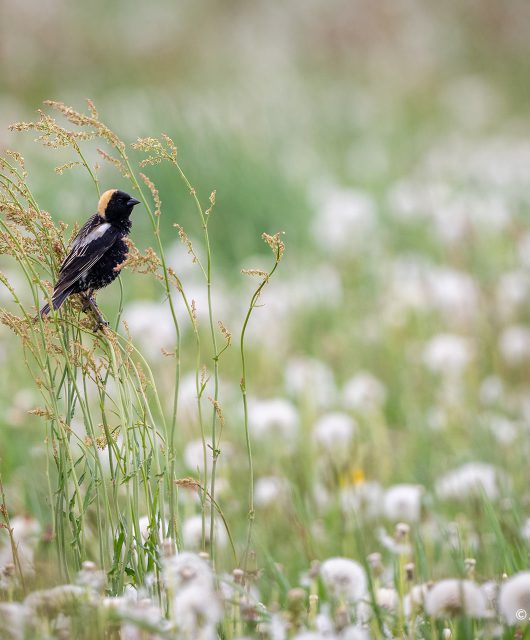
August is the perfect time to get outside, explore the incredible grasslands in Canada and put your nature-spotting skills to the test. You could even win a prize while you’re…
