When winter arrives, not everyone is a snow lover.
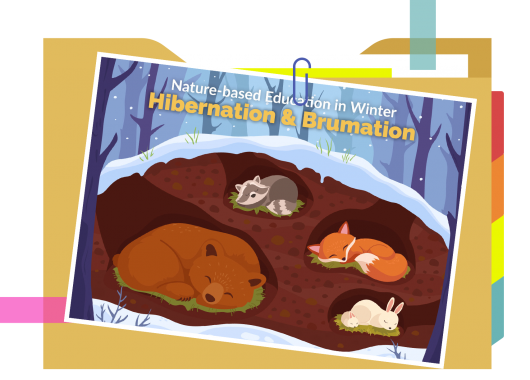
While many animals migrate or stay active through the winter, others rely on incredible energy‑saving strategies to make it through the cold. From slowing their heartbeat and breathing to dropping their body temperature and curling up in dens or drifting into a deep sleep, hibernators have truly mastered the art of staying cozy all winter. Let’s take a deep breath and slow down with some winter definitions.
Hibernation is a deep, long‑lasting dormant state. Some animals drop their body temperature significantly and slow their heart rate, breathing and metabolism to conserve energy. Animals that truly hibernate remain in this state for the entire winter, relying on stored body fat instead of eating or drinking.
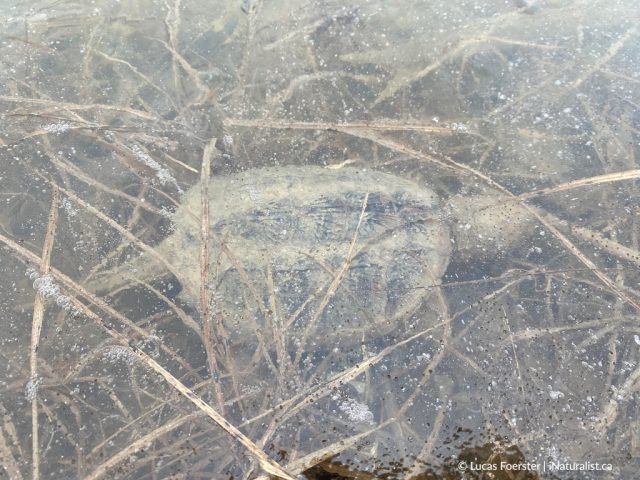
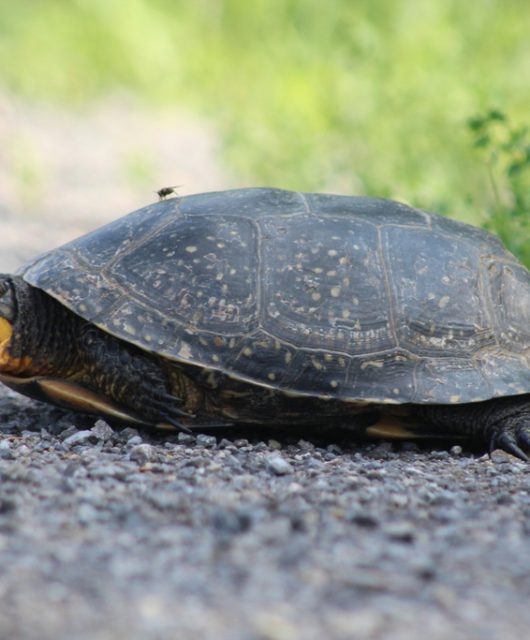
Brumation is a state of winter dormancy that reptiles and amphibians undergo, during which their metabolic processes slow down, activity drops, and they stop eating but may wake periodically to drink water. It differs from hibernation because reptiles are cold‑blooded; their metabolism slows because of cold temperatures, and they do not enter the deep sleep seen in mammalian hibernators.
Teaching Resources
- Hinterland Who’s Who – Who hibernates or brumates? On HWW.ca check out the black bear, the western garter snake, the Big and Little Brown Bat and freshwater turtles.
- What do map turtles do in the winter? – Discover brumation in this webinar on a study of map turtles in winter with Grégory Bulté.
- With so many of our amphibian friends brumating underwater, it’s important to learn more about our waterways and how to protect them. Join the Canadian Water Resources Association in a virtual Project WET workshop. Project WET is a fun, hands‑on water education program that helps educators teach students about water, climate and environmental stewardship through engaging, curriculum‑linked activities.
- Check out CWF’s 2026 Below Zero Campaign
WILD Education Workshops
Whether you’re a winter lover or winter hater, CWF’s Below Zero workshop has a lesson plan for you.
Project WILD:
- How Many Bears Can Live in the Forest? (pg. 244) – Understand how resources and habitats affect wildlife populations.
- Keeping Cool (pg. 252) – Venture outside to investigate the temperatures in various outdoor spaces and potential hibernation shelters.
Below Zero:
- Design a Shelter (pg. 37) – Students research what wildlife needs for a shelter, then design and construct a shelter. If done outside, you can pair with Keeping Cool in Project WILD (pg. 252) to discover which shelter is the warmest.
- Snow Lovers or Haters (pg. 97) – Explains the three classifications that define how wildlife species react to winter.
- Cozy in the Cold (pg. 125) – Where do different species go in the cold? How long does it take gelatin to freeze in that location?
- Snakes and Ladders (pg. 131) – An active game to simulate the annual migration of snakes from the breeding grounds to the hibernaculum.
Want your own Below Zero handbook? Sign up for a Below Zero workshop today!
Student Action Projects
Want to make a difference for hibernators? Turn these ideas into actions that help wildlife and their winter habitat.
- Mind a mine – Did you know that awakening a hibernating bat could harm it? Learn how and spread that word to stay clear of mines, for the sake of bats.
- Host an Apathy is Boring conversation – Bring up the topic of how important it is to conserve wildlife habitat. If we don’t, where will our hibernators sleep all winter?
- Build a pond – Create a habitat for your local amphibians. Ensure your pond has everything wildlife—like the Northern Leopard Frog—needs to survive the winter.
- Build a bat house – Bats often get evicted from attics and houses. Let’s make them a house from which they won’t get evicted. Learn what bats prefer for a dwelling and make them a place to call home.
For more educational resources, sign up for our WILD Spaces newsletter, where your school may be eligible to receive free pollinator plants.

Meagan Potter
Meagan is the program administrator for formal education at the Canadian Wildlife Federation. She has worked with WILD Spaces, WILD Generations, WILD Education, and the Gardening for Wildlife programs. When she's not at CWF, you'll find her working part-time at an emergency veterinary clinic or offering dog training lessons through her small business.