
712 posts
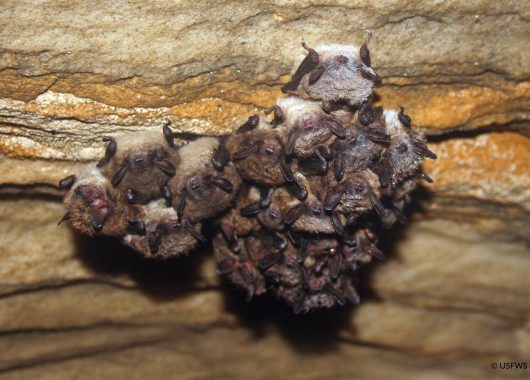
How to Be a Bat-friendly Community
By Emily Becker, CWF Bat Research Technician Strengthening not only bat populations, but the communities who commit to conserving them as well. Traditionally when people reference community, they are referring…

Top Tips for Exploring Naturally
CWF and Environment and Climate Change Canada’s program Hinterland Who’s Who travels all over the country to get footage of a wide array of flora and fauna species. I have…

WILD Spaces: Connect
Welcome to a new year of WILD Spaces! This year, our theme is Action. Throughout the school year, we’ll explore ways students can make a difference for wildlife and their…

The Secret Life of Fungi
How They Feed, Heal and Restore our World Most folks know fungi only as fuzzy organisms that grow on forgotten food in your refrigerator. But the fungal kingdom is vaster…

Six Wondrous Things About Nature
Magic is often described as the impossible made real. If that’s true, then nature may be the greatest magician of all. As adults, we’re taught to stop believing in magic.…
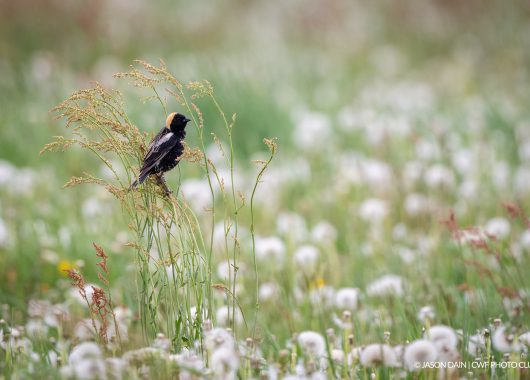
Explore, Observe and Win with the Canadian Grasslands Project
August is the perfect time to get outside, explore the incredible grasslands in Canada and put your nature-spotting skills to the test. You could even win a prize while you’re…

Impacts of Wildfires on Lakes
Wildfires are a natural part of ecosystems and can even be beneficial. They recycle nutrients into the soil; they open the forest canopy and allow for new growth; and some…
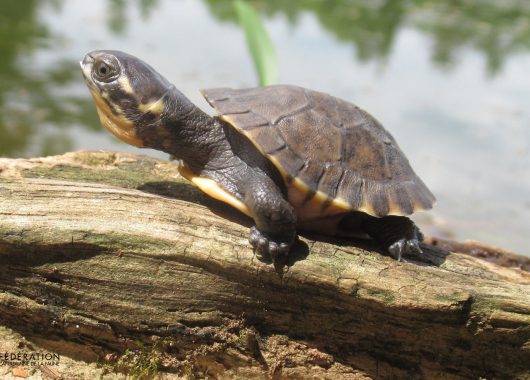
Ontario’s Endangered Species Under Attack
To protect endangered species we also need to protect the habitat they rely upon. That’s a pretty basic idea. To protect a forest bird, we need to protect the forest…

Snapshot of the Blanding’s Turtle’s Current Situation
In today’s age of technology, community science has never been more accessible. With a standard smartphone, you’ve got access to a digital camera and a GPS — add an internet…
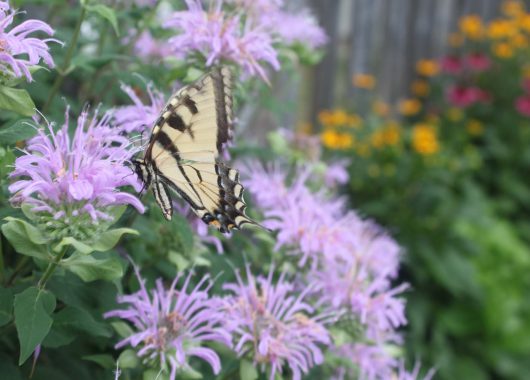
Feature Plant: Wild Bergamot
Part of the mint family, Wild Bergamot is a hardy perennial found across much of Canada. Its scientific name, Monarda fistulosa, honours the 16th century Spanish physician botanist Nicolas Bautista…
