Protecting wildlife isn’t only about planting gardens, restoring habitat or removing invasive species.
Some of the most powerful conservation actions begin with a conversation, a poster, a presentation or a story.
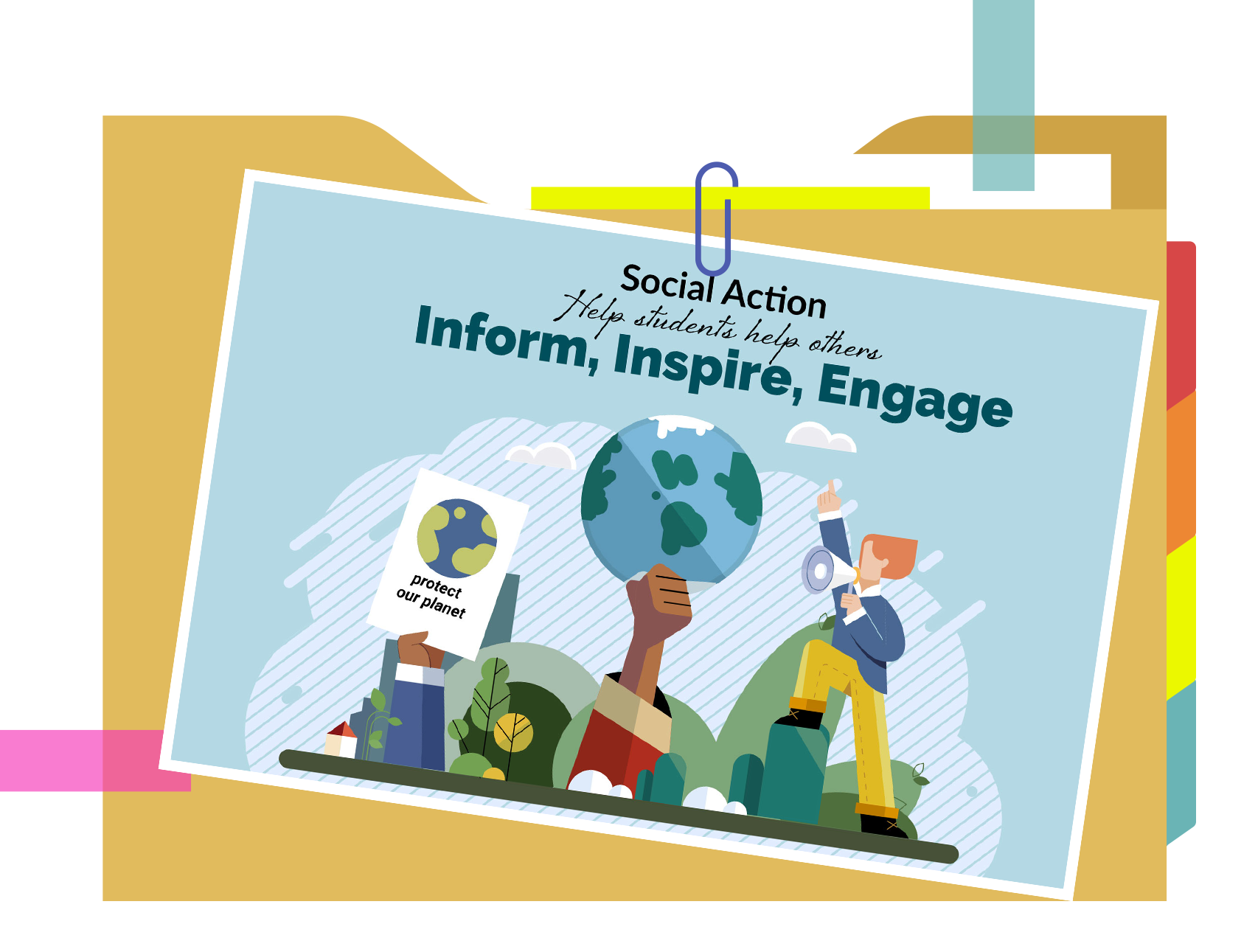
This month, we’re exploring Social Actions: actions that focus on informing, inspiring and engaging others in conservation. By sharing knowledge and encouraging people to care about wildlife and the environment, students can create positive change that reaches well beyond the classroom.
Social actions can take many forms. Students might organize an awareness campaign, create educational materials, give presentations, host events, share observations from community science projects or simply spark conversations with family and friends. While these actions may not directly change a habitat, they help build the knowledge, support and motivation needed for conservation to happen.
Simply put, knowledge grows when it’s shared.
Why Social Actions Matter
Most environmental challenges are too large for one person to solve alone. Whether we’re talking about biodiversity loss, pollution, invasive species or climate change, lasting solutions require communities working together.
Students have an important role to play in that process.
When young people teach others about environmental issues, they develop communication skills, build confidence and deepen their own understanding of a topic. Research consistently shows that one of the best ways to learn something is to teach it to someone else.
Social actions also help students realize that their voices matter. A classroom presentation, school-wide campaign or community project may inspire dozens or even hundreds of people to think differently or take action themselves.
Teaching Resources
- Celebrate Birds! – Create a mural with your class and have them educate others about it. Check out Birds Canada to learn even more about birds in your region.
- Climate Change and Wildlife – Students learn about how wildlife is affected by climate change and can communicate their findings through posters, presentations, announcements or school-wide awareness activities.
- Apathy is Boring — Apathy is Boring helps young people find their voices and become active participants in their communities.
- The Medicine of Stories — Learn more about storytelling through the Outdoor Learning School & Store.
In the Activity Guides
Looking for ready-made lesson plans and activities? Check out our Project WILD activity guide which features 164 hands-on, interdisciplinary lessons and games, including:
- Cartoons and Bumper Stickers (Project WILD, pg. 459) — Students examine the power of visual messages and then create their own conservation-themed communications.
- Interview a Spider (Project WILD, pg. 62) — Students step into the shoes of a misunderstood animal and develop communication materials that help others understand its ecological role.
- Nature in Art (Project WILD, pg. 474) — Students explore how wildlife and nature are represented through artistic expression and then create their own pieces.
- A Picture Is Worth a Thousand Words (Project WILD, pg. 416) — Students examine how images communicate messages about wildlife and the environment.
To access the full guide and materials, sign up for a professional development session near you!
Join a Project WILD workshop
Try a Social Action Challenge
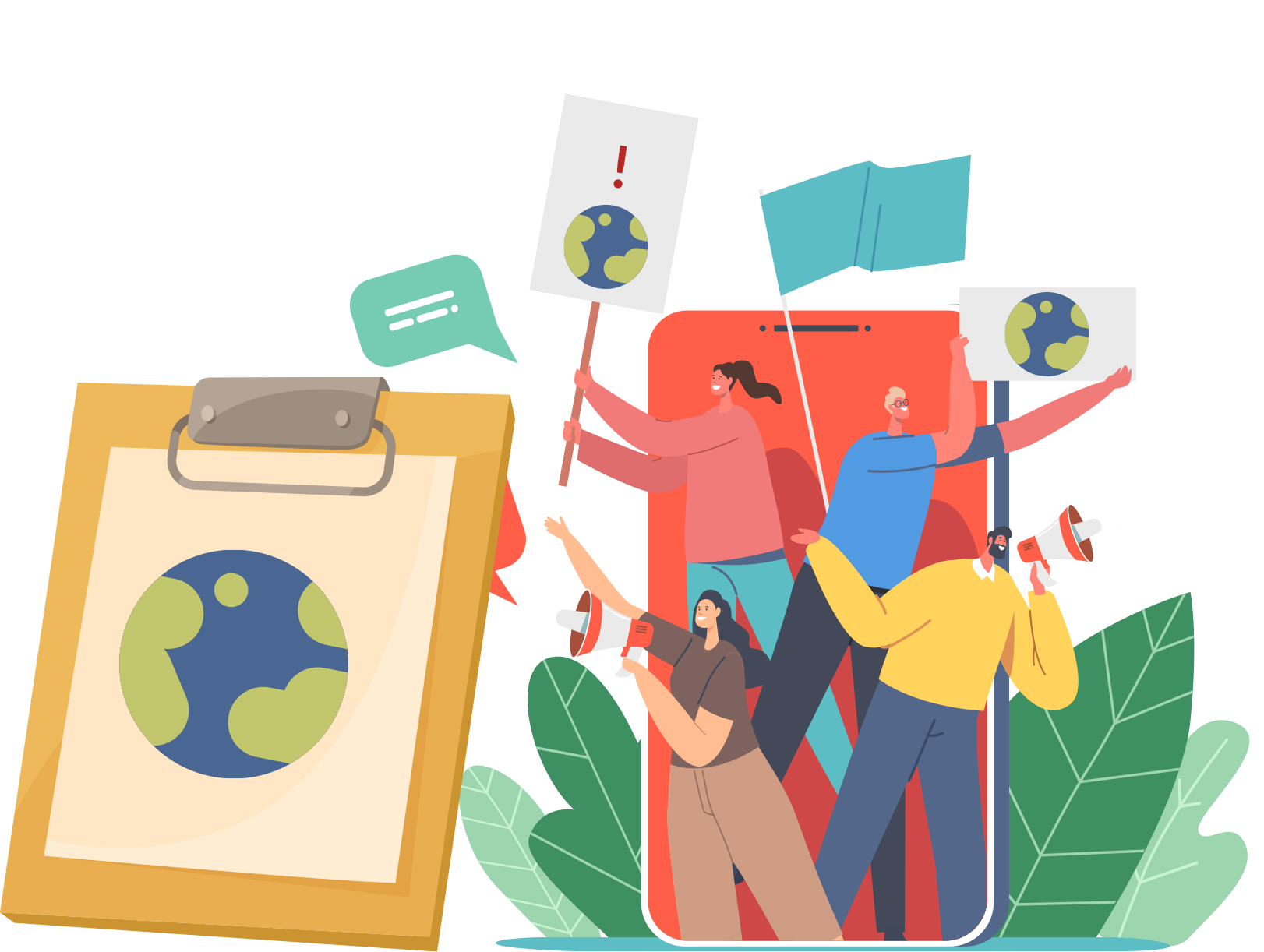
Invite students to become environmental communicators this month.
Choose a local wildlife or conservation topic and challenge students to create:
- Posters
- Public service announcements
- School announcements
- Podcasts
- Videos
- Social media campaigns
- Morning presentation slides
- Wildlife fact sheets
Ask students:
- Who needs to hear this message?
- What do you want them to learn?
- What action do you hope they’ll take?
The goal isn’t perfection. It’s helping students recognize that sharing knowledge is a form of conservation action.
Looking Ahead
The environmental leaders of tomorrow need more than knowledge. They need the ability to communicate, collaborate and inspire others.
By teaching students how to share their learning, we help them become advocates for wildlife and the environment today.
This month, encourage students to tell a story, start a conversation or teach someone something new about nature.
Because sometimes the action that changes the world starts with simply helping someone else understand why it matters.
For more educational resources, projects and lesson plans, check out our Online Learning Library and sign up for our monthly education newsletter.
Want to garden with your students? Read the WILD Spaces blog for tips and activities.

CWF-FCF
Our mission is to conserve and inspire the conservation of Canada’s wildlife and habitats for the use and enjoyment of all.