August is the perfect time to get outside, explore the incredible grasslands in Canada and put your nature-spotting skills to the test.
You could even win a prize while you’re at it!
The Canadian Grassland Coalition is hosting a giveaway! During the month of August, simply enter the contest through the Canadian Wildlife Federation website and join the Canadian Grasslands Project on iNaturalist for a chance to win.
Want an extra entry? Make an observation within the Canadian Grasslands Project locations and you’ll earn one more entry into the contest.
Here is a list you can use as inspiration for your bonus entry.
Prairie Provinces: Top Species to Spot
Rubber Rabbitbrush
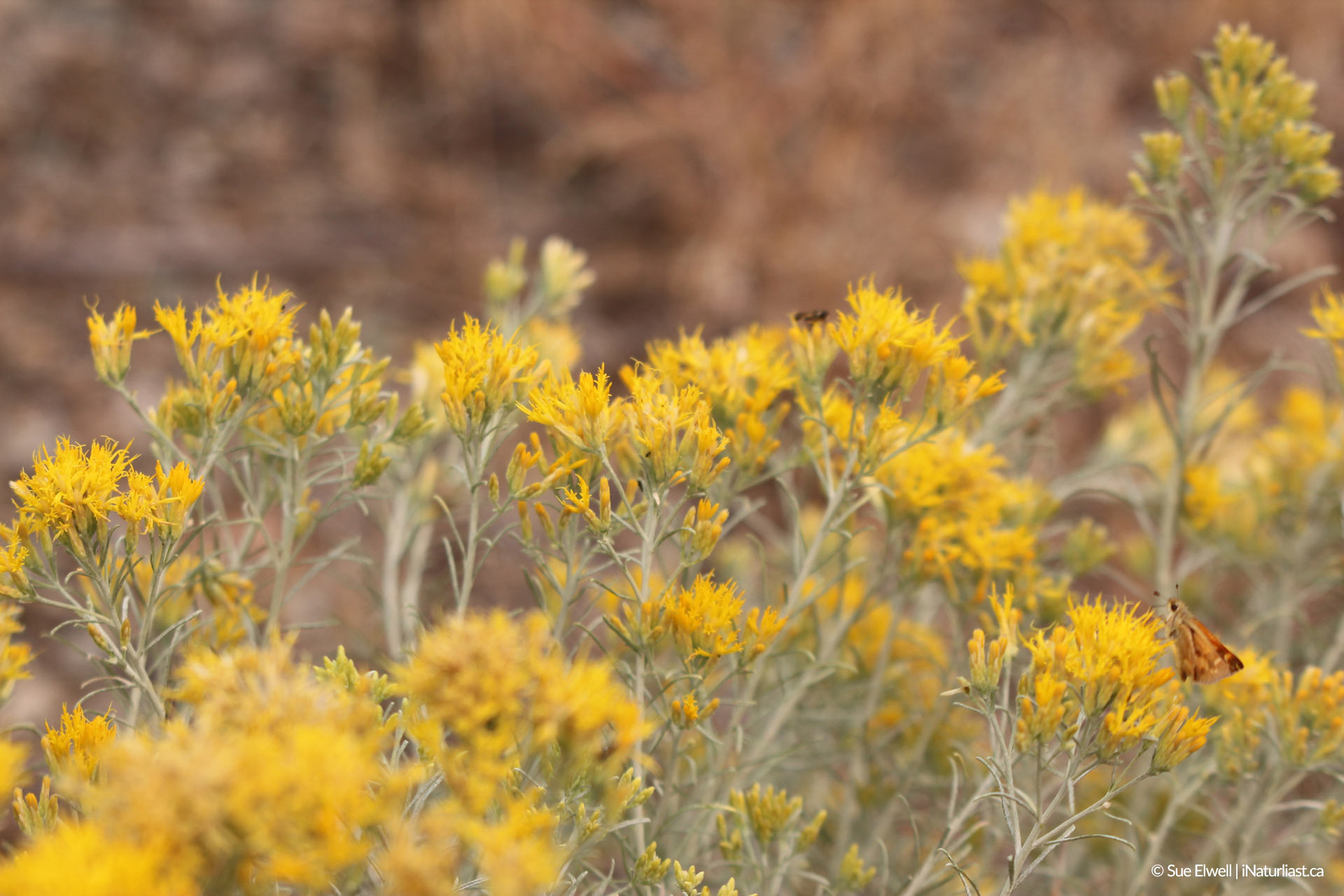
Rubber Rabbitbrush is native to Alberta and Saskatchewan and blooms from late summer into fall, creating a vibrant yellow display against the landscape. Tip: Rubber Rabbitbrush can be easily confused with Broom Snakeweed, another native late-season bloomer that contributes to the golden hues of the prairies in August. Use iNaturalist’s identification tools to help you distinguish the two!
Hunt’s Bumblebee
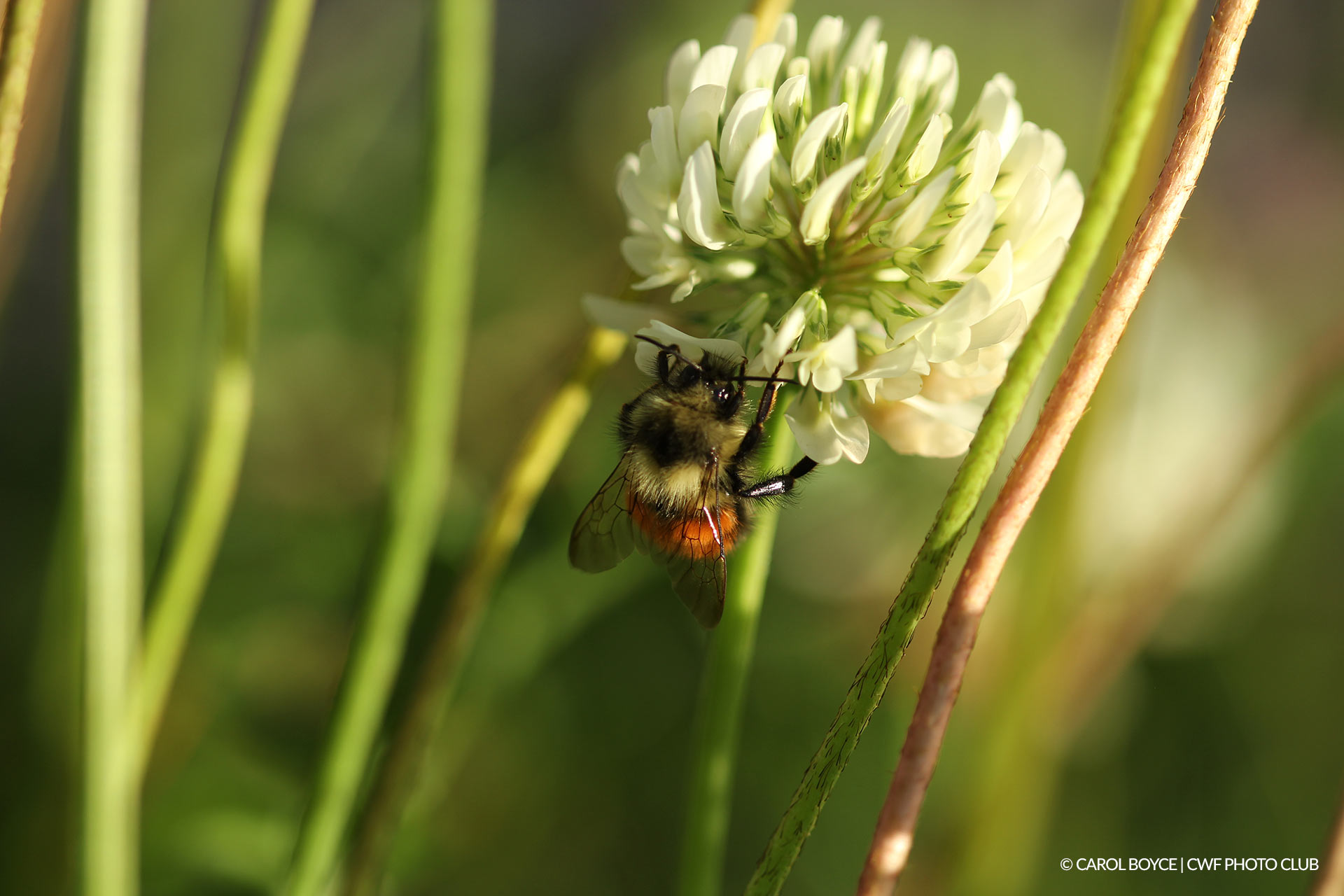
Hunt’s Bumblebee is an efficient, hardworking pollinator that inhabits prairies and meadows, helping native plants thrive.
Tip: Hunt’s Bumblebees love visiting the flowers of Rubber Rabbitbrush. Spot one, and you may find the other nearby!
Swainson’s Hawk
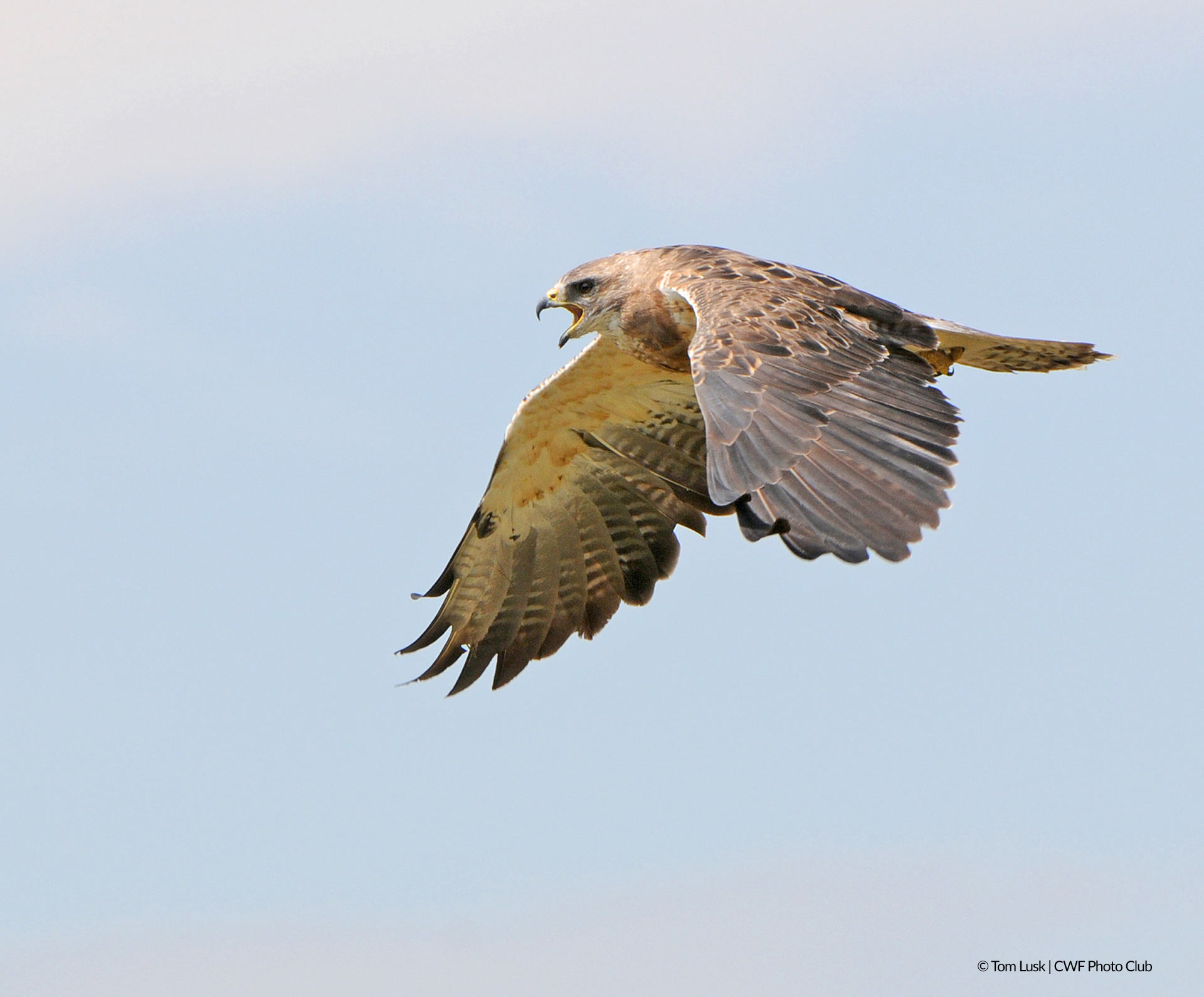
Swainson’s Hawk is a true grasslands icon that loves wild prairies, hayfields, and pastures that allow for successful hunting of small mammals.
Tip: Swainson’s Hawks often return to areas where they grew up, so try revisiting places where you’ve seen them in the past (or where they’ve been observed on iNaturalist) to spot them again.
Up for a Challenge?
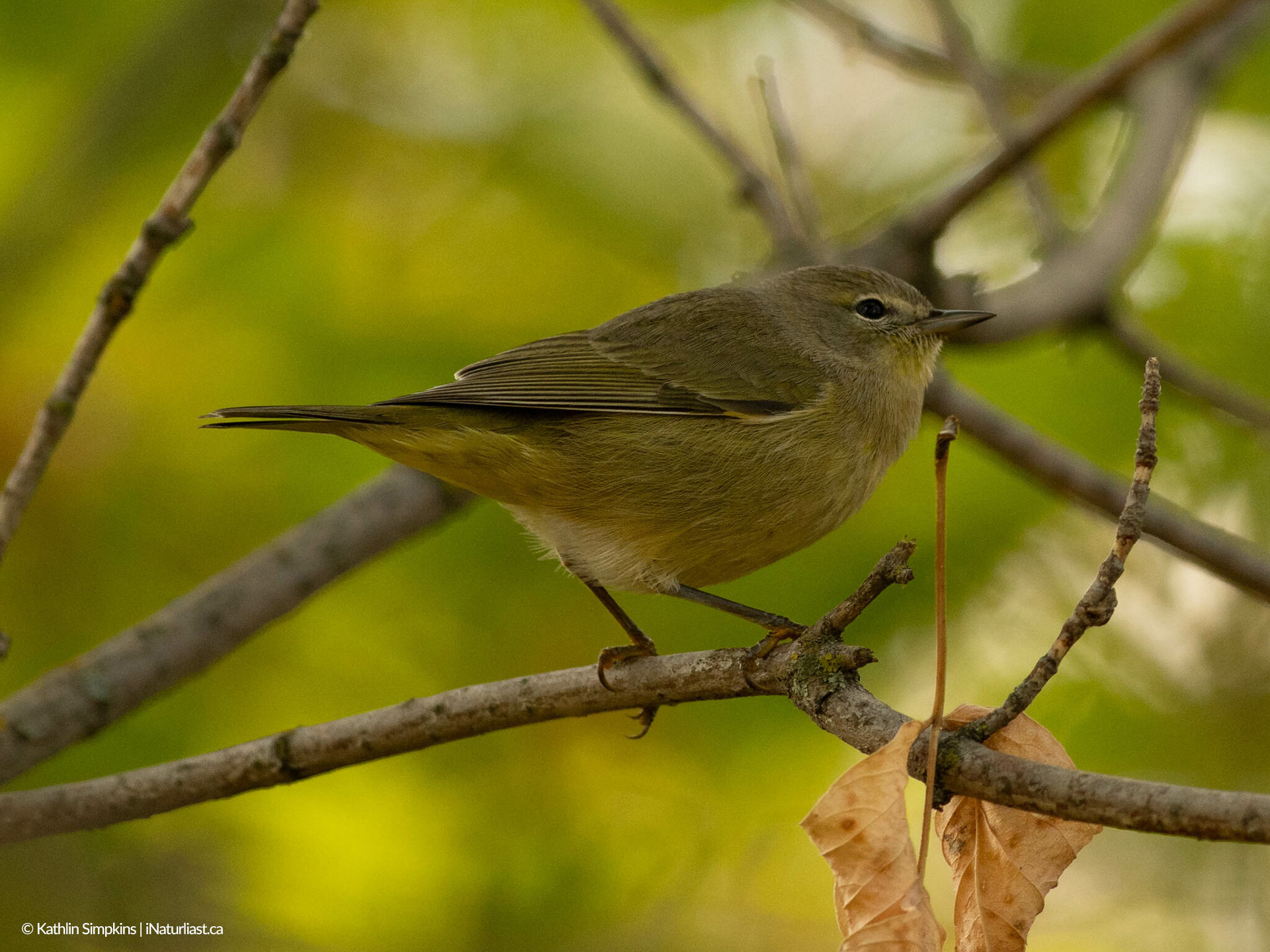
Orange-crowned Warbler
Within the Canadian Grasslands Project locations, the Orange-crowned Warbler has only been observed nine times. Can you be the 10th? Keep an eye out for this small yellow-olive songbird.
Tip: Despite being its namesake, the orange crown of the Orange-crowned Warbler is often hidden, so don’t be discouraged if you can’t see it.
East of the Prairies
Grasslands aren’t just a western Canadian story. There are plenty of grassland-loving species to discover in Ontario and beyond.
Queen Anne’s Lace
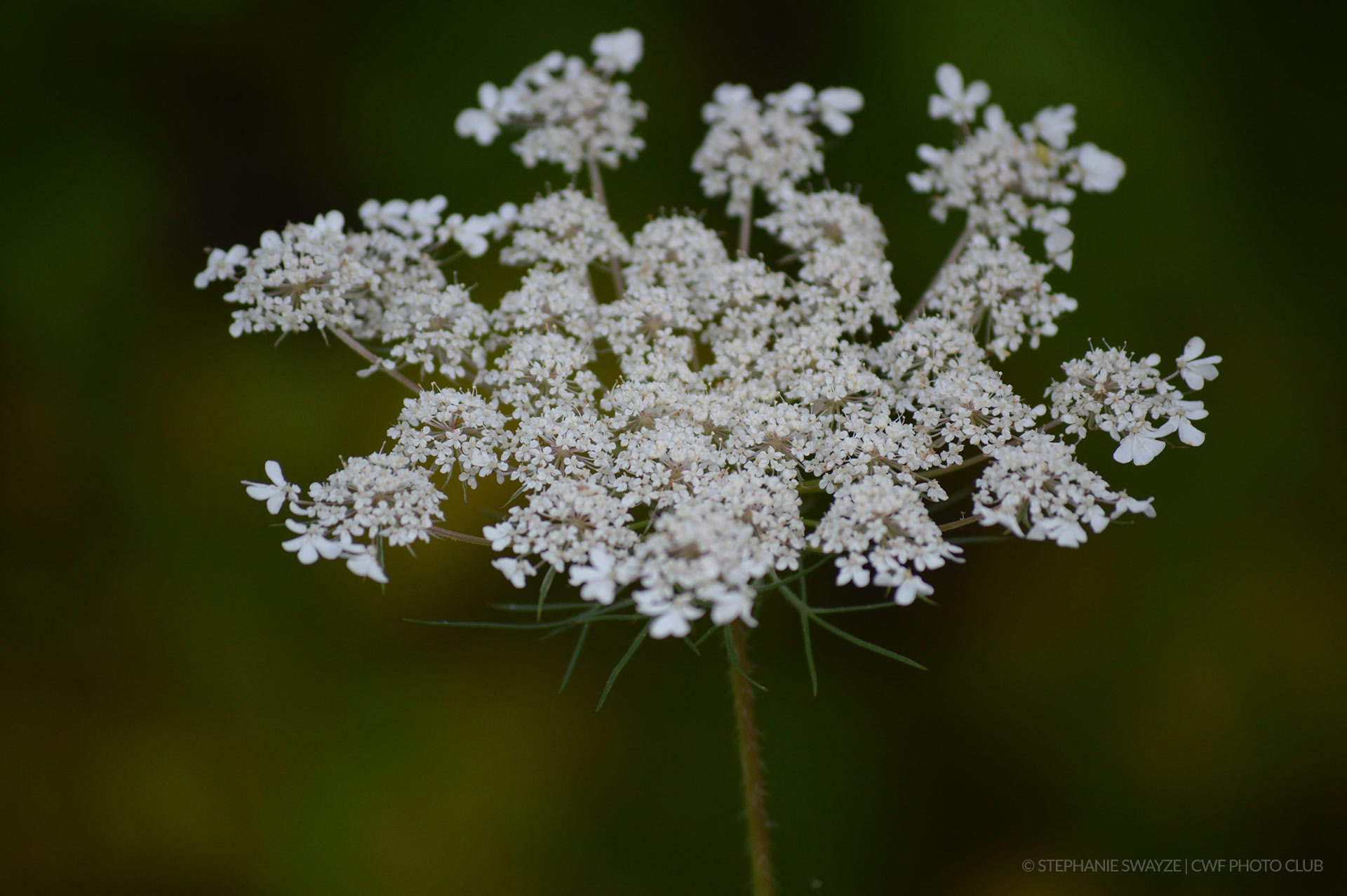
Queen Anne’s Lace, or Wild Carrot, is an introduced plant species and the most observed plant in the eastern regions of the Canadian Grasslands Project. While not considered invasive, native members of the carrot family, like Blunt Sweet Cicely, are often better choices for supporting local biodiversity.
Tip: Queen Anne’s Lace, common in Ontario and Quebec, is often found in disturbed areas like roadsides and old fields.
Monarch Butterfly
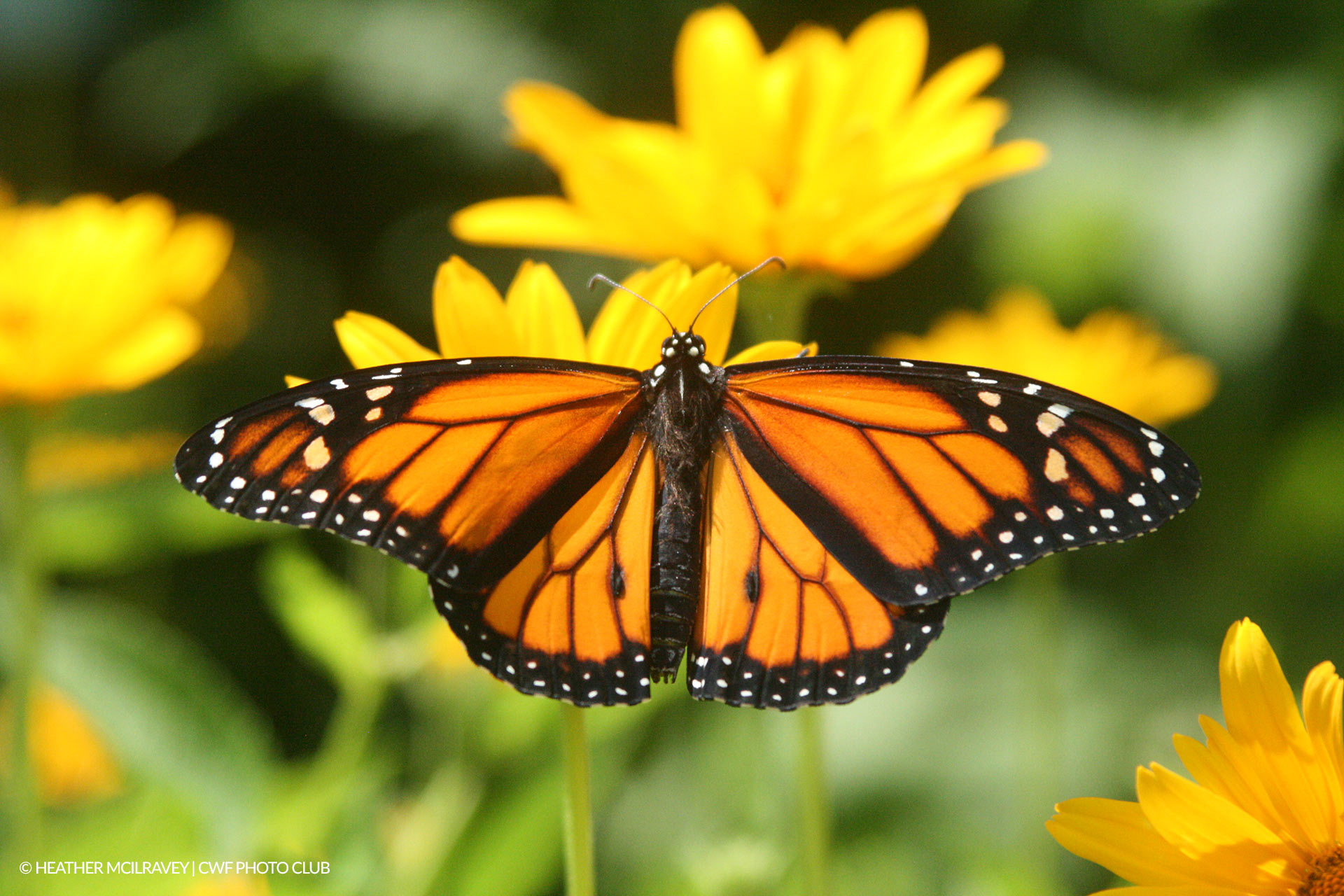
It’s not surprising that the Monarch Butterfly, with its recognizable orange and black wings, is one of the most frequently observed insects as it feeds on the grass and forb flowers in grasslands and meadows.
Tip: In August, Monarch Butterflies are packing on as much fat as possible before their long-distance migration to Mexico. Keep an eye out for their colourful fluttering wings in areas with late-season blooms.
Be the first to record a Bobolink!
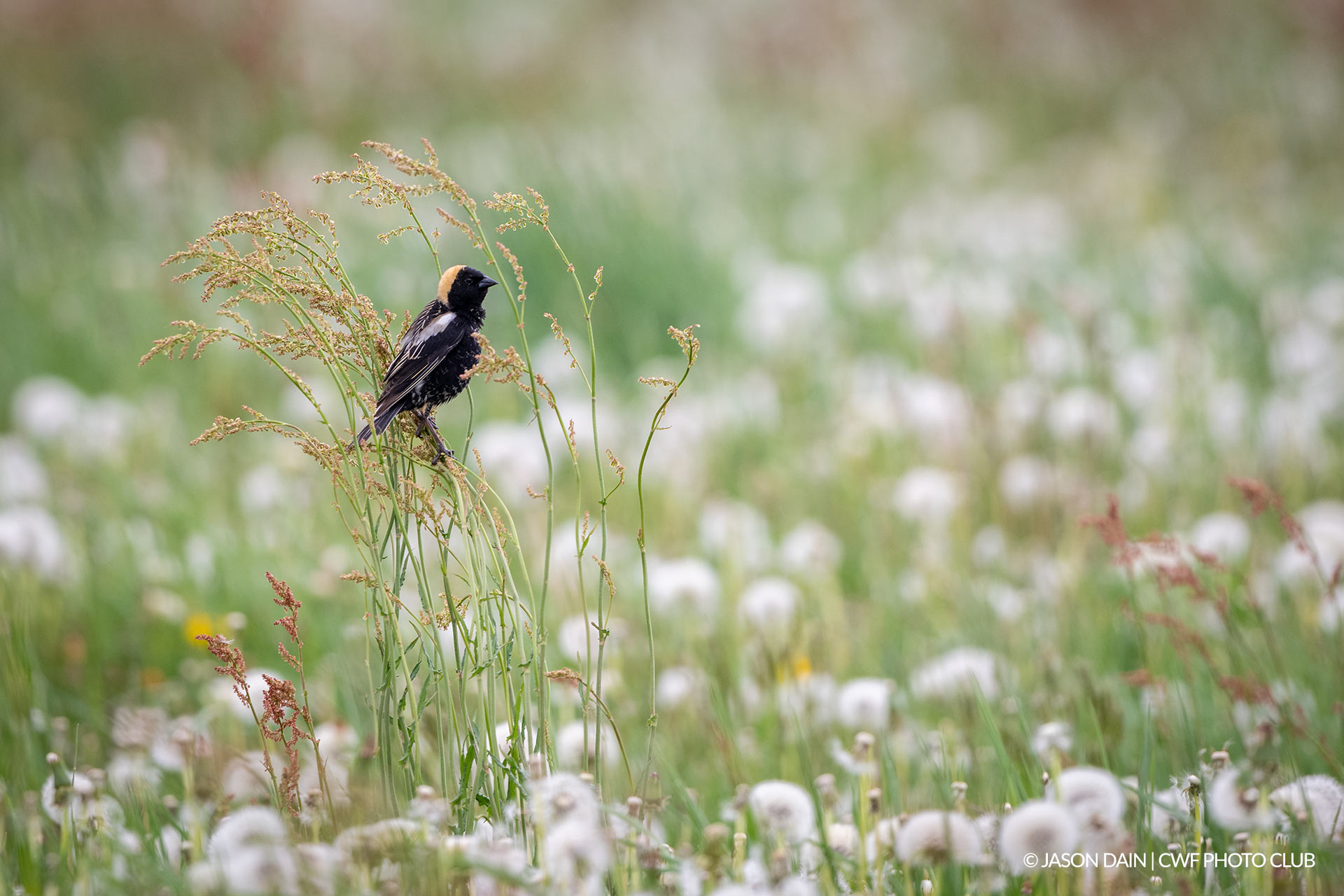
Though not yet observed in the Canadian Grasslands Project, the Bobolink is found in agricultural lands, tall grasslands, meadows and prairies throughout Southern Canada and the US. Their songs are recognizable and often described as sounding metallic, bubbly and rambling.
Tip: Listen for them during their breeding season from late April to August and be the first to add them to the project!

Katherine Peel
Katherine Peel is a terrestrial conservation project coordinator at the Canadian Wildlife Federation working in both the grasslands awareness and rights-of-way as pollinator habitat programs.