Global biodiversity is already in decline and new research suggests the situation could worsen dramatically unless urgent action is taken.
A landmark study published in Science Daily reveals that while land-use change remains the biggest cause of biodiversity loss today, climate change could soon take over as the leading driver by the middle of this century.
A Century of Change: Land-Use Impacts on Nature
The study, led by the German Centre for Integrative Biodiversity Research (iDiv) and Martin Luther University Halle-Wittenberg (MLU), is the largest biodiversity modelling project undertaken to date. Using data from 13 global models, researchers assessed how land-use and climate change have affected biodiversity and nine key ecosystem services.
Their findings show that during the 20th century, global biodiversity declined by between two per cent and 11 per cent due to land-use change alone. This includes losses in global and local species richness, habitat extent, and the overall intactness of ecosystems.
Lead author Prof. Henrique Pereira explains that by combining data from all world regions, the team was able to fill important knowledge gaps:
“Every approach has its ups and downsides. We believe our modelling approach provides the most comprehensive estimate of biodiversity trends worldwide.”
Ecosystem Services: Gains and Losses
The same study found mixed outcomes for ecosystem services, the natural benefits that ecosystems provide to humans. Over the past century, provisioning services such as food and timber production have increased significantly. However, regulating services which keep ecosystems stable have declined. These include pollination, carbon storage and nitrogen retention, functions critical to clean water, fertile soil and climate regulation.
In other words, human activity has boosted short-term resource extraction while undermining the natural systems that sustain life.
Climate Change: The Growing Pressure
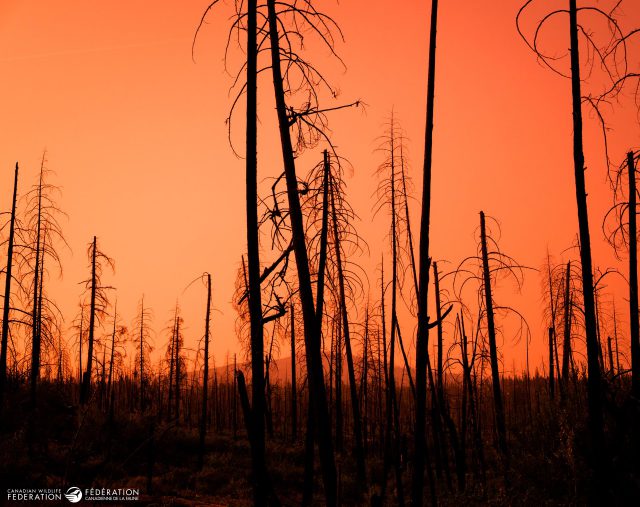
Looking to the future, the researchers modelled several global scenarios from sustainable development to high emissions and found one consistent result: biodiversity declines in every region under all scenarios. While land-use change continues to matter, climate change is expected to become the most significant driver of biodiversity loss by mid-century.
Rising temperatures, changing precipitation, extreme weather and habitat shifts will place increasing strain on ecosystems already fragmented by human development. The combined pressures could accelerate species declines across the planet.
Our Choices Will Shape the Future
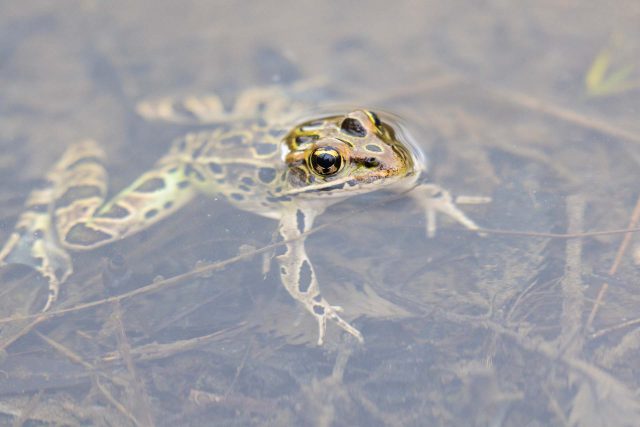
Importantly, the researchers stress that these projections are not predictions but possible futures.
“Trajectories depend on the policies we choose,” notes co-author Dr. Inês Martins of the University of York. “The purpose of long-term scenarios is to understand alternatives and avoid those that are least desirable.”
Even the study’s most sustainable scenario did not include all possible conservation measures, such as expanding protected areas or large-scale rewilding. This means there’s still room and urgency for stronger global biodiversity policies.
The Bottom Line
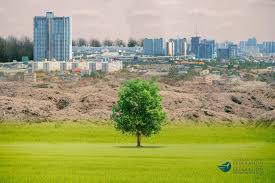
The message from this research is clear: land-use change has already taken a heavy toll on global biodiversity and climate change is poised to amplify that loss. Without decisive action to curb emissions and protect ecosystems, species declines will continue worldwide.
For Canadians, especially those who live near lakes, forests or wetlands, this global picture has local meaning. Protecting natural habitats, reducing land disturbance and supporting climate solutions all help safeguard wildlife and natural systems that make our landscapes so rich.

Jerika Bradford
Jerika is the Social and Digital Media Manager at the Canadian Wildlife Federation. When she’s not planning her next big adventure, you can find her outdoors with her trusted Labrador Retriever sidekick, Brynn, or indoors piecing together her family ancestry.